Alur Orthopedic Implants Alur Orthopedic Implants

2026 Best External Fixators How Do They Help Bone Healing?

Time:2026-09-20 Author:Sophia
0%

Choosing among the 2026 best external fixators requires more than comparing frame designs or manufacturer claims. The right system depends on fracture location, soft-tissue damage, bone quality, infection risk, and the surgeon’s experience. No frame is universally best.

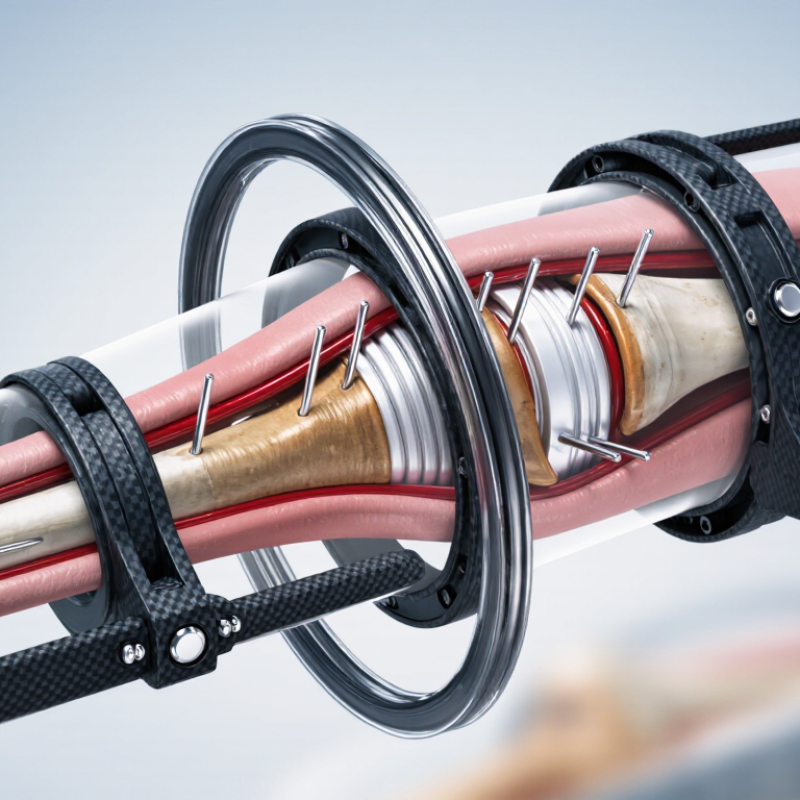
How does external fixation help bone healing? It holds broken bone segments in a controlled position while protecting injured skin, muscle, and blood vessels. Pins or wires connect the bone to a frame outside the body. This structure can maintain alignment, restore length, and reduce harmful movement at the fracture site. Carefully controlled stability may also support callus formation, the firm bridge that gradually becomes new bone.

Professor Gavriil Ilizarov, whose work transformed circular fixation, stated, “The strength of a bone is directly proportional to its blood supply.” This principle remains clinically important. External fixation can stabilize a fracture without placing a large implant directly across the damaged area. Surgeons may also adjust the frame during treatment, correcting alignment or applying gradual compression and distraction when appropriate.

The patient’s daily experience matters. A frame may allow wound access, but pin sites require regular cleaning and monitoring. Swelling, drainage, increasing pain, or fever should never be dismissed. Pin-tract infection, joint stiffness, nerve irritation, and delayed healing remain possible.

That is the uncomfortable part.

The device does not heal bone alone. Surgical planning, nutrition, smoking status, rehabilitation, follow-up imaging, and patient adherence all influence the result. Evidence supports individualized treatment, not marketing shortcuts. This guide examines practical frame selection, healing biology, comfort, adjustability, and safety for informed clinical discussions in 2026.
2026 Best External Fixators How Do They Help Bone Healing?

What Are External Fixators and When Are They Used?

External fixators are frame-based devices that stabilize a broken bone from outside the body. Thin pins or wires pass through the skin and anchor into the bone. Connecting rods then hold the injured limb in a controlled position.

They are often used for open fractures, severe swelling, crushed soft tissue, or injuries with infection concerns. Surgeons may also choose them when internal implants are unsafe or when wounds need repeated treatment. The frame can support alignment while allowing access to damaged skin. In some cases, it remains temporarily before another operation. In others, it provides definitive support during healing.

Bone healing depends on proper alignment, controlled stability, and adequate blood supply. Regular X-rays help clinicians adjust the frame when necessary. Patients must clean pin sites carefully and watch for increasing redness, drainage, pain, or fever. These signs require prompt medical assessment.

The method is powerful, but not elegant. A frame can feel heavy and disrupt sleep, clothing, and movement. Pin-site infections, joint stiffness, nerve irritation, and delayed healing remain possible. Not every fracture benefits from external fixation. Treatment decisions should consider the fracture pattern, soft-tissue condition, general health, and the patient’s ability to manage daily care. Experienced orthopedic teams also reassess the plan as swelling decreases and new bone appears. Sometimes, the original strategy needs to change.

2026 Best External Fixators: How Do They Help Bone Healing?

External fixators stabilize fractured bone from outside the body, maintain alignment, and preserve blood supply to the injury. The chart shows approximate timelines for the main biological stages of fracture healing; actual timing varies with fracture type, soft-tissue damage, age, and overall health.

How External Fixators Stabilize Broken or Damaged Bones

External fixators stabilize broken or damaged bones from outside the body. Strong pins or thin wires connect the bone to a rigid external frame. This structure limits unwanted movement while healing begins. It can hold bone fragments in better alignment after severe fractures. Surgeons may also adjust the frame gradually when the bone needs controlled correction. The design leaves injured skin and soft tissue visible. That access can matter when swelling, wounds, or infection complicate treatment.

Stability does not mean complete stillness. Carefully measured movement may encourage new bone formation, but excessive motion can delay union. Clinicians use examinations and imaging to monitor alignment, pin position, and healing progress.

Daily pin-site care helps reduce infection risk, although it cannot remove that risk entirely. Patients may notice tightness, drainage, discomfort, or frame irritation. These changes deserve prompt medical review.

Follow-up schedules are not optional.

External fixators are useful tools, not perfect solutions. They may cause stiffness, muscle weakness, nerve irritation, or loose pins. Healing also varies with blood supply, injury severity, nutrition, and smoking habits.

A frame can look secure while the bone remains fragile. That is easy to forget. Treatment decisions should come from an orthopedic team familiar with the injury and the patient’s wider health.

Main Types of External Fixators and Their Clinical Uses

External fixators stabilize broken bones from outside the body. Pins or wires pass through the skin and connect to a rigid frame. This design can protect injured soft tissue while alignment is adjusted during healing. In practice, the frame depends on fracture pattern, contamination, bone quality, and patient condition. It is not simply a stronger cast.

A unilateral frame uses pins on one side and suits many tibial fractures, temporary damage-control fixation, and gradual correction. It provides useful access to open wounds, but may offer less control in complex deformities. Circular ring fixators use tensioned wires or thin pins around the limb. They help manage bone loss, infection-related nonunion, and limb-length differences through controlled adjustment. Hybrid frames combine rings with half-pins. They can support periarticular fractures when full rings are unnecessary. Articulated systems may preserve joint movement while stabilizing selected injuries around the knee or ankle.

Clinical decisions require repeated imaging, pin-site assessment, and careful adjustment. Stable alignment matters, but comfortable movement matters too. Pin-track infection, stiffness, nerve injury, and frame discomfort remain real concerns. Patient training is essential. Cleaning methods, weight-bearing limits, and warning signs should be explained clearly. Healing can be slower than expected. A well-planned frame may still need revision when alignment changes, infection persists, or bone biology is poor. Surgeons should combine examination, imaging, and daily patient experience rather than relying on the frame alone.

How External Fixators Support Bone Healing Step by Step

External fixators support bone healing by holding injured segments in controlled alignment. The best frame depends on fracture location, soft-tissue damage, infection risk, and the patient’s overall health. An orthopedic team reviews imaging before choosing the frame, pins, wires, and support structure.

The process begins with careful placement of pins or wires through healthy bone. These connect to an external frame outside the skin. The frame limits harmful movement while allowing surgeons to manage swelling and wounds. Stable alignment gives new bone tissue a better environment for repair.

Small adjustments may follow. Some frames gradually correct bone length, angle, or rotation. This requires scheduled examinations and repeat imaging. Clinicians check pin sites for redness, drainage, loosening, or increasing pain. Patients usually learn daily cleaning and safe movement techniques. Never adjust the frame without medical guidance.

As healing progresses, the care team may permit partial weight-bearing or gentle exercises. These steps help preserve muscle strength and joint motion. Healing is not perfectly predictable. A quiet pin site can still develop problems. Pain can also reflect pressure, infection, or simple overload. Reporting changes early matters.

Frame removal happens only after clinical and imaging evidence shows adequate strength. The timing varies widely. Nutrition, smoking, diabetes, circulation, and compliance can influence recovery. No external fixator is ideal for every fracture. Careful monitoring remains as important as the device itself.

Care, Risks, and Recovery During External Fixator Treatment

2026 Best External Fixators: How Do They Help Bone Healing?

An external fixator stabilizes broken bone with pins or wires outside the skin. It can protect damaged tissue while swelling settles. It also allows surgeons to adjust alignment during recovery. This matters in open fractures, severe limb injuries, and complex bone reconstruction. Orthopedic systematic reviews commonly report pin-site infection rates near 20–40%, although definitions and follow-up periods differ. The number is concerning, but not a prediction for every patient.

Care requires daily observation. Wash around each pin only as instructed by your clinical team. Keep dressings dry and avoid twisting the frame. Increasing redness, warmth, drainage, fever, or sudden pain needs prompt medical review. Loose components also require attention. Do not tighten them yourself. Recovery often includes staged X-rays, weight-bearing changes, and physical therapy. A 2023 review in Injury noted that healing time varies substantially with fracture severity, soft-tissue damage, and patient health. My own caution is simple: a clean frame does not guarantee a healed bone.

Tips: Take one clear photo of the pin sites each day. Record pain, temperature, drainage, and walking ability. Use prescribed medication carefully. Ask about calcium, vitamin D, smoking, and diabetes control. Missing appointments can delay adjustments. Even experienced teams sometimes revise the plan. That is normal, not failure. Never remove or modify the fixator without an orthopedic specialist’s approval.

FAQS

What is an external fixator?

It stabilizes a broken bone with pins or wires connected to a frame outside the skin. The frame limits harmful movement while injured tissue recovers. It is not simply a stronger cast.

Which external fixator types are commonly used?

Unilateral frames use pins on one side of the limb. Circular frames use tensioned wires or thin pins around the limb. Hybrid frames combine rings with half-pins. Articulated systems may preserve movement near selected joints.

When might a circular frame be helpful?

Circular frames may help with bone loss, nonunion, infection-related problems, or limb-length differences. Small adjustments can gradually change length, angle, or rotation. Progress is slow.

How does the treatment support bone healing?

Pins are placed through healthy bone and connected to the outer frame. The frame holds the injured segments in controlled alignment. This gives new bone tissue a steadier environment for repair. Swelling and wounds remain easier to access.

What daily care does an external fixator require?

Follow the cleaning method taught by the clinical team. Keep dressings dry and avoid twisting the frame. Check each pin site for redness, warmth, drainage, loosening, or increasing pain. A daily photograph may reveal gradual changes.

What warning signs need prompt medical attention?

Fever, spreading redness, worsening drainage, sudden pain, or loose components require medical review. Do not tighten, adjust, or remove the frame yourself. A quiet pin site can still develop problems.

Can patients walk or exercise during treatment?

Some patients begin partial weight-bearing after clinical review. Gentle exercises can protect muscle strength and joint motion. Weight limits depend on imaging, fracture stability, and medical instructions. Too much pressure can overload the healing area.

How long does recovery and frame removal take?

Timing varies with fracture severity, soft-tissue damage, circulation, diabetes, smoking, nutrition, and general health. Removal requires clinical and imaging evidence of adequate bone strength. Healing may take longer than expected. The plan can change.

What problems can occur during external fixator treatment?

Pin-track infection, stiffness, nerve injury, discomfort, and alignment changes are possible. Reported infection rates vary widely between studies and definitions. A clean frame does not prove the bone has healed. Careful follow-up still matters.

Conclusion

External fixators are medical devices that stabilize broken, damaged, or infected bones from outside the body. They are commonly used for complex fractures, severe soft-tissue injuries, bone lengthening, and situations where internal implants are unsuitable. By connecting pins or wires placed in the bone to an adjustable external frame, these systems maintain alignment, control movement, and protect injured tissues while allowing healthcare professionals to monitor the wound and adjust support as healing progresses. Different designs, including circular, unilateral, and hybrid frames, may be selected according to the injury and treatment goal.

How does external fixation help bone healing? It provides stable mechanical support while preserving blood flow and access to the surrounding soft tissue. Step by step, this stability encourages the formation of new bone, supports gradual strengthening, and can help restore limb length or alignment when needed. Successful treatment also depends on careful pin-site cleaning, follow-up imaging, safe mobility, and attention to warning signs such as swelling, drainage, increasing pain, or fever. Recovery time varies, and patients should follow their medical team’s instructions for weight-bearing, adjustments, and frame removal.

Sophia

Sophia

Sophia is a dedicated marketing professional with an exceptional depth of knowledge about her company's products and services. With a keen understanding of market trends and customer needs, she crafts insightful blog posts that not only inform but also engage readers, enriching the company’s online......