Alur Orthopedic Implants Alur Orthopedic Implants

Top Benefits of Implants for Shoulder and Elbow Pain Relief?

Time:2026-09-05 Author:Charlotte
0%

Shoulder and elbow pain can significantly affect daily life. Many individuals seek effective solutions to manage this discomfort. This is where implants come into play. How do implants help with shoulder and elbow pain? The answer lies in their ability to provide stability and support to these crucial joints.

Implants can alleviate pain by replacing damaged tissue. They promote healing and restore functionality. Patients often report improved mobility and a return to their favorite activities. It's important to note that while implants can be beneficial, the decision to proceed with this option should not be taken lightly. Each case is unique and requires careful consideration.

Consulting with a qualified orthopedic specialist is crucial. Their expertise can help determine the best approach. Exploring all available options is essential to making an informed choice. Understanding the benefits and risks of implants enhances a patient's ability to make the right decision for their shoulder and elbow health.
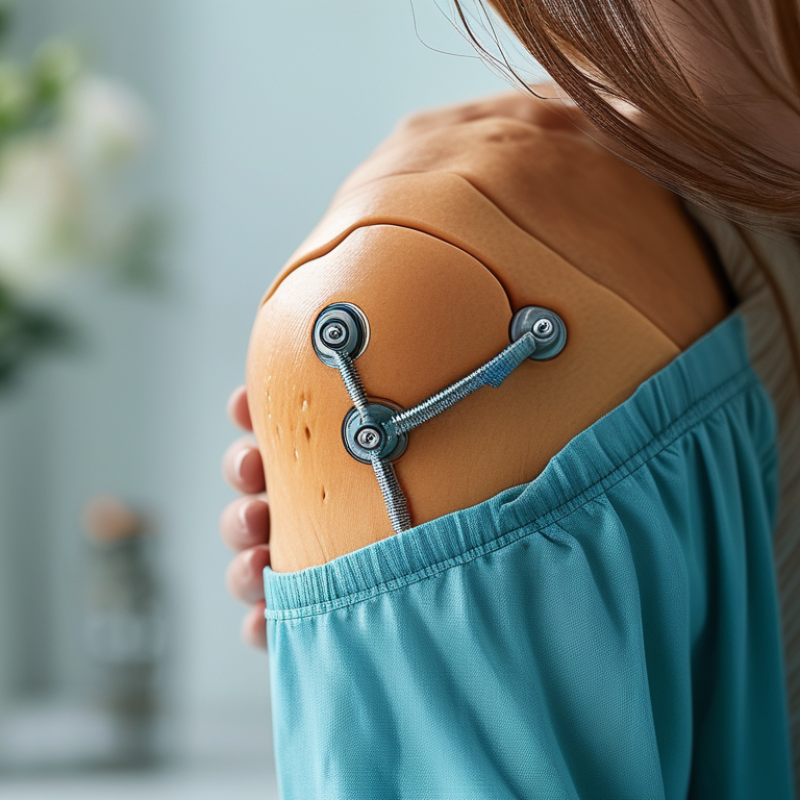
Top Benefits of Implants for Shoulder and Elbow Pain Relief?

Understanding Shoulder and Elbow Pain: Causes and Impact

Shoulder and elbow pain can disrupt daily life. Common causes include injuries, arthritis, and repetitive strain. Each case varies in severity and impact. For many, simple tasks like lifting or reaching become difficult. These limitations can lead to frustration and emotional stress. Living in constant pain affects not just the body, but mental well-being too.

Understanding the impact of these pains is crucial. Many individuals suffer silently, believing it's a normal part of aging. However, prolonged pain can hinder mobility and diminish quality of life. Physical therapy often helps, yet some conditions may require surgical intervention. Here, the role of implants becomes significant. They aim to restore function and alleviate pain, offering hope for those enduring chronic discomfort.

Experiencing shoulder or elbow pain is not uncommon, yet it should not be ignored. Monitoring symptoms is essential. Consulting a healthcare professional can lead to appropriate treatment options. While implants can be effective, they also come with considerations. Every patient must weigh the potential benefits against possible risks. Ultimately, proactive care and informed decisions lead to better outcomes.

Top Benefits of Implants for Shoulder and Elbow Pain Relief

Benefit Description Impact on Pain Relief Recovery Time
Improved Mobility Implants help restore the natural function of the shoulder and elbow joints, enhancing movement. High 3-6 weeks
Pain Reduction Implants can significantly decrease pain levels, providing long-term relief. Very High 1-2 weeks
Durability Most implants are designed to last for many years, reducing the need for revision surgery. Moderate Varies
Reduced Need for Pain Medication Patients often experience a decreased dependency on narcotic pain medications post-surgery. High 1 week
Enhanced Quality of Life Patients typically report an improved quality of life with successful pain management. Very High Varies

Types of Implants Used for Shoulder and Elbow Pain Relief

Shoulder and elbow pain can significantly impact daily life. Implants used for pain relief have gained popularity. Various types of implants target different conditions in these joints.

Cemented and uncemented implants are common choices for shoulder replacement. Cemented implants bond well with the bone. They provide initial stability. Uncemented implants rely on bone growth for fixation. This option is suitable for younger patients. Another type, reverse shoulder implants, shifts the joint's center of rotation. They are designed for severe rotator cuff issues.

For elbow pain relief, there are prosthetic implants. These devices mimic the natural movement of the elbow. They help restore function after injury or degeneration.

Some patients may experience complications. Implant failure due to wear or loosening can occur. Regular monitoring is essential for long-term success. Choosing the right implant involves understanding individual needs and conditions. Reassessment may be necessary to ensure the best outcome.

Benefits of Implants: Improved Mobility and Functionality

Implants can significantly improve mobility and functionality for those suffering from shoulder and elbow pain. Many patients experience limited movement and chronic discomfort due to joint issues. By using implants, surgeons can restore joint integrity. This often results in increased range of motion. Patients frequently report a marked difference in their daily activities.

For instance, simple tasks like reaching for a cup or lifting objects become easier. Implants help stabilize joints, reducing pain during movement. The materials used in modern implants allow for better compatibility with the body. This can lead to faster recovery times. However, it's important to recognize that not everyone will experience the same outcomes. Some may face challenges, such as prolonged rehabilitation or minor complications.

The potential for improved functionality, however, encourages many to pursue this option. Regular follow-ups and physical therapy are crucial. Patients must understand that while implants can enhance mobility, they are not a complete cure. Continuous effort is necessary to achieve the best results. It is essential to maintain realistic expectations throughout the recovery journey.

Top Benefits of Implants for Shoulder and Elbow Pain Relief

Minimally Invasive Techniques: Enhancing Recovery Times

Minimally invasive techniques for shoulder and elbow pain relief are gaining traction. These approaches utilize small incisions, leading to reduced tissue damage. Research shows that patients often experience shorter recovery times, with many returning to daily activities within weeks. A study published in the Journal of Orthopaedic Surgery found that minimally invasive procedures reduce hospital stays by 30% compared to traditional surgery.

Minimally invasive implants play a pivotal role in pain management. They provide stability without extensive surgery. According to a 2022 report by the American Academy of Orthopaedic Surgeons, over 80% of patients reported significant pain relief six months post-surgery. Many patients express satisfaction not just with the pain outcomes but also with quicker rehabilitation. It is essential to recognize that while the methods promise faster recovery, individual results may vary.

Though advances in technology are promising, it's vital to understand the limitations. Not every patient is a candidate for minimally invasive surgery. Factors like age, comorbidities, and the severity of the condition can affect outcomes. Ongoing evaluations and patient-specific strategies are necessary to ensure the best results. The future of shoulder and elbow pain management lies in balancing innovative techniques with realistic expectations.

Potential Risks and Considerations in Implant Surgery

Implant surgery can provide relief for shoulder and elbow pain, yet it is essential to consider the risks involved. Infection is a common concern. After the procedure, the surgical site must be monitored closely. Redness, swelling, or increased pain can signal complications. It’s vital to discuss these signs with your healthcare provider.

Another factor is the potential for implant failure. While most implants are designed to last, some may wear out or become loose over time. This can lead to a return of pain and may necessitate additional surgeries. Weighing the long-term benefits against this possibility is crucial for anyone considering implants.

Lastly, there’s pain associated with the surgery itself. Some patients report increased discomfort immediately following the procedure. This discomfort can persist during the rehabilitation process. Understanding that recovery might take longer than expected is important. Always keep an open line of communication with your medical team about any concerns.

FAQS

: What are common causes of shoulder and elbow pain?

: Injuries, arthritis, and repetitive strain often lead to pain in these areas.

How does shoulder and elbow pain affect daily life?

Simple tasks like lifting or reaching can become challenging, impacting emotional well-being.

Why is monitoring symptoms important?

It helps in identifying the need for professional healthcare consultation and appropriate treatment options.

What types of implants are used for pain relief?

Cemented, uncemented, and reverse shoulder implants are common options, tailored to specific conditions.

What are the benefits of minimally invasive techniques?

These methods reduce tissue damage, leading to shorter recovery times and less hospital stay.

Can implant complications occur?

Yes, issues such as wear or loosening can happen; regular monitoring is crucial for success.

Who may not be suitable for minimally invasive surgery?

Factors like age, comorbidities, and condition severity can limit candidacy for these procedures.

How soon can patients resume daily activities after surgery?

Many patients return to normal activities within weeks, though individual recovery times vary.

What should patients consider before choosing an implant?

Weighing potential benefits against possible risks is vital for informed decision-making.

How can patients optimize their recovery?

Ongoing evaluations and tailored strategies are necessary to ensure the best outcomes in recovery.

Conclusion

The article "Top Benefits of Implants for Shoulder and Elbow Pain Relief" explores the various advantages of using implants to alleviate discomfort in these joints. By examining the underlying causes of shoulder and elbow pain, the piece highlights how such conditions can significantly impact daily activities and overall quality of life. It delves into the different types of implants available and emphasizes the benefits of improved mobility and functionality that they provide.

Moreover, the article touches upon minimally invasive techniques that not only enhance recovery times but also reduce the risks typically associated with traditional surgical methods. It concludes by addressing important considerations and potential risks involved in implant surgery, answering the question, "How do implants help with shoulder and elbow pain?" by illustrating their role in restoring joint function and alleviating pain.

Charlotte

Charlotte

Charlotte is a seasoned marketing professional with a deep understanding of the company's portfolio and a passion for elevating its presence in the market. With a keen eye for detail and a commitment to excellence, she ensures that our professional blog is regularly updated with insightful articles......