 Alur Orthopedic Implants
Alur Orthopedic Implants
Alur Orthopedic Implants
When recovering from orthopedic surgery, patients often wonder, "What exercises are safe with orthopedic implants?" Understanding which movements can safely incorporate an implant is essential for rehabilitation. Selecting appropriate exercises can foster healing and prevent complications.
Physical therapists emphasize tailored exercise regimens that consider the specific type of implant. Activities should minimize stress on the joint while promoting mobility. Some low-impact options include walking, swimming, and cycling. Each offers health benefits without excessive strain. However, caution is paramount; some movements, even seemingly simple ones, may pose risks.
Listening to the body is crucial. Pain or discomfort signals may indicate the need for adjustment. Collaborating with healthcare providers ensures exercises align with individual recovery plans. A clear understanding of safe exercises fosters confidence and supports a healthier recovery journey.
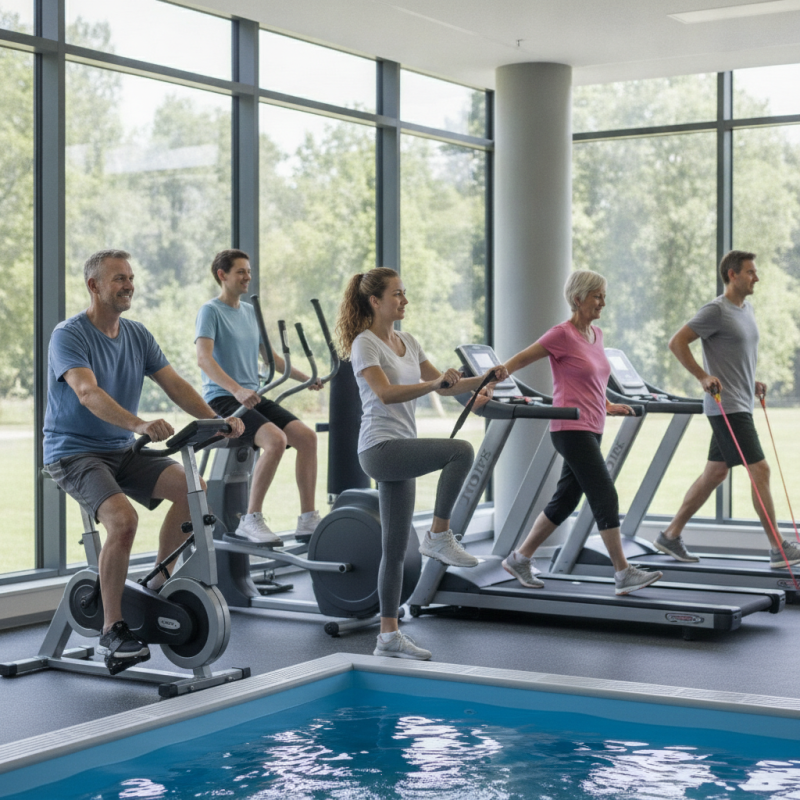
Exercise plays a crucial role for individuals with orthopedic implants. It enhances physical function, boosts mood, and promotes overall health. Engaging in regular physical activity can aid in recovery and prevent complications. Exercise helps to maintain strength and flexibility in affected areas. This is essential for mobility and independence.
Tips: Start slowly. Listen to your body. Consider low-impact activities like swimming or walking. Always consult a healthcare professional before starting any new exercise routine.
Staying active improves circulation, which is vital for healing. It helps manage symptoms like pain and stiffness. Exercise can also prevent further injuries by strengthening surrounding muscles. However, some may feel hesitant due to fears of damaging their implants. This is understandable and worth reflecting on.
Tips: Focus on form. Quality over quantity matters. Use gentle stretches to ease tension and promote a sense of well-being. Tracking progress can also provide motivation and insight into what works best.
: Healthcare professionals provide tailored guidelines based on your specific implants and needs, ensuring safe exercise.
Stop immediately if you feel pain. Adjust your routine as needed, and don’t ignore your body’s signals.
Low-impact activities like swimming and cycling are generally safe, as they reduce joint stress.
They are vital for preparing your body and aiding recovery. Don’t skip these essential parts of your workout.
No, listen to your body. Pushing through discomfort can lead to injury. Modifications may be necessary.
Keep track of pain levels and mobility changes. Sharing this with healthcare providers can improve your recovery approach.
Strengthening surrounding muscles can provide added support to your joints, helping you exercise safely.
Not necessarily. Some exercises may seem safe but still pose risks. Always consult a professional for advice.
Yes, individual journeys vary. Be patient and reflective; adjustments are often necessary as you progress.
The article "2026 Best Exercises Safe for Orthopedic Implants" highlights the importance of incorporating safe exercises for individuals with orthopedic implants. It outlines the numerous benefits of exercise, including enhanced mobility, strength, and overall well-being. The discussion then shifts to recommended safe exercises tailored for various types of implants, ensuring individuals can maintain an active lifestyle without jeopardizing their recovery.
In addition to showcasing suitable workouts, the article emphasizes crucial safety precautions that must be taken while exercising with implants. It also provides guidance on how to create a personalized exercise plan post-surgery, considering individual recovery progress and specific implant types. Finally, it stresses the importance of consulting healthcare professionals for tailored exercise advice. This comprehensive approach answers the question of what exercises are safe with orthopedic implants, ensuring that patients can engage in physical activity confidently and effectively.
