Alur Orthopedic Implants
“Can I play sports after orthopedic surgery?” The honest answer depends on the operation, your healing, and the demands of your sport. A repaired knee may feel comfortable during a short walk, yet still lack the strength or control needed for a sharp cut on a soccer field. Pain matters, but it is not the only measure of readiness.
Orthopedic surgeon and sports medicine specialist Dr. David Geier’s return-to-play guidance can be paraphrased this way: “Let recovery—not impatience—set the pace.” That principle is worth remembering. Your surgeon or physical therapist should assess your range of motion, strength, balance, and sport-specific movement before you return. Clearance is personal; another athlete’s timeline is not a safe shortcut.
This guide explores seven practical ways to resume sports after orthopedic surgery. It covers following your rehabilitation plan, building strength gradually, practicing sport movements in stages, and using protective equipment when advised. It also explains how to notice warning signs, communicate with your care team, and set realistic goals. Start small. A light practice can reveal more than a confident guess. And progress may not be perfectly steady; a setback is a reason to pause and ask for guidance, not to push through new or worsening symptoms. Recovery takes patience, and sometimes the hardest part is waiting.
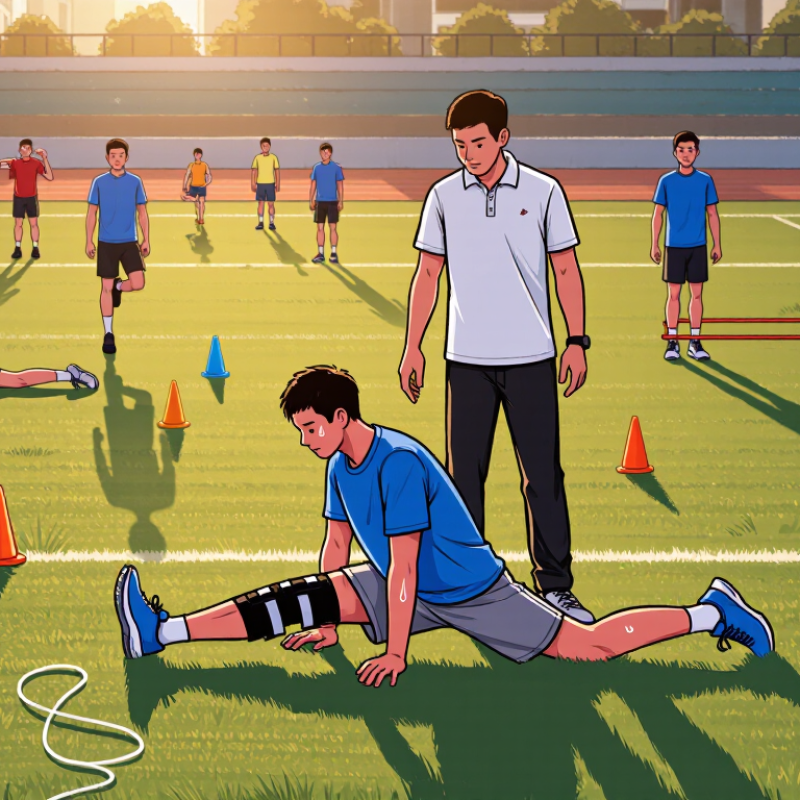
Before returning to sport after orthopedic surgery, look beyond the calendar. A quiet knee or shoulder does not prove deeper tissues have healed. Track pain during activity and the next morning, swelling, range of motion, strength, and confidence with daily tasks. Write down practical details: climbing stairs, walking around the block, or lifting a light bag. Small changes matter. If symptoms increase after each session, ease back and contact your care team. Recovery can feel uneven, and it is not always easy to interpret a setback alone.
Ask your surgeon or rehabilitation clinician for clearance before resuming sport. Share your activity log and describe the movements your sport demands, such as pivoting, jumping, or throwing. Clearance should reflect your procedure, examination, and progress—not just a good day or a pain-free test. Not just pain. Your clinician may check strength, balance, mobility, and control during sport-specific movements. Follow any staged return plan, and ask what symptoms should pause training. It is tempting to rush when teammates are back on the field; that impulse deserves a second look. Be honest about hesitation, too. Recovery is not perfectly linear.
7 Best Ways to Play Sports After Orthopedic Surgery
Restore Mobility, Strength, and Joint Stability
Returning to sport starts with comfortable, controlled movement—not a full-speed game. Follow your surgeon’s and physical therapist’s guidance, since timelines vary by procedure and person. Gentle range-of-motion work may help restore movement, while prescribed strengthening can prepare muscles to support the joint. A slow walk or easy stationary cycling may be appropriate for some people, but only when cleared. Small steps matter. Pain, swelling, or a limp that worsens after activity is a reason to pause and check in with your care team.
Build stability with exercises your clinician has approved, such as balance work near a sturdy support or controlled step-ups. Later, your rehabilitation plan may add sport-specific drills: short lateral steps, easy passes, or gradual changes of direction. Increase one challenge at a time, such as duration or speed. It can feel frustrating to repeat simple drills. Still, rushing can set progress back, and recovery is rarely a straight line.
Tips: Warm up gently and use supportive footwear suited to your activity. Track how the joint feels during exercise and the next morning. If symptoms increase, reduce the load and ask your clinician what to adjust. Return to practice and competition only after your care team clears you.
7 Best Ways to Play Sports After Orthopedic Surgery
Choose a sport by matching its demands to your healing joint, current strength, and balance—not your pre-surgery routine. Walking on level ground, stationary cycling, or swimming may be lower-impact options, but each still loads the body differently. Your procedure matters. A knee repair may make twisting sports unsuitable early on, while shoulder surgery can limit strokes or racquet play. Ask your surgeon or physical therapist which movements are safe, and what signs mean you should stop. A little soreness may be expected; sharp pain, new swelling, or instability deserves attention.
The World Health Organization’s 2020 guidelines recommend adults aim for 150–300 minutes of moderate activity weekly, plus muscle strengthening on two days. These are general health targets, not a post-surgery prescription. The CDC reported that 24.2% of U.S. adults met both aerobic and strength guidelines in 2020. That population figure is context, not pressure to rush. Start with short, easy sessions; increase time or intensity only as your care team allows. Returning can feel slower than expected. Slow is still progress.
Tips: Choose a sport with controllable pace and easy stopping points. Try a few minutes on a flat path before extending your walk. Keep a simple note of pain, swelling, and next-day stiffness; patterns can help guide conversations with your therapist. If a favorite sport feels wrong right now, reconsider it later. Recovery is not perfectly linear.
Choose activities that match your recovery and abilities. This qualitative scale compares typical joint impact during recreational activity; it is not a measure of surgical risk or a substitute for your clinician’s advice.
How to read: Lower scores generally indicate less impact; actual demands vary with pace, terrain, technique, and individual ability. Ask your surgeon or physical therapist when and how to return to sport.
Returning to sport after orthopedic surgery is not a single test you pass. It is a gradual process shaped by healing, strength, and movement quality. Your surgeon and physical therapist can help set safe milestones for your specific operation. Timelines vary. A quiet knee or shoulder does not automatically mean it is ready for competition. Small steps count.
Begin with controlled movements, such as walking, gentle jogging, or basic balance drills, if your care team approves. Then build toward the patterns your sport requires: short lateral steps for court sports, easy passing for soccer, or light swings for racquet sports. Increase one challenge at a time, such as speed, distance, or direction changes. Keep early sessions brief. It can feel frustrating to stop while you still have energy, but doing too much may set back progress.
Practice sport-specific drills before full practice or competition. Notice how the joint feels during training and later that day; swelling, sharper pain, or reduced motion are reasons to pause and check in with your clinician. Track the details, even if the notes seem imperfect. A few extra minutes of warm-up may help you move with better control, though it cannot replace rehabilitation. There is no prize for rushing.
Returning to sport after orthopedic surgery is not a test of toughness. Your surgeon or physical therapist should set limits and milestones for your specific procedure. Before each session, note pain, swelling, stiffness, and how easily you move. A quick phone note can reveal patterns. Check again that evening and the next morning. Symptoms may appear later, not on the field.
Mild soreness can happen, but worsening pain, increased swelling, or reduced movement may mean your current activity is too demanding. Pause, scale back, and ask your care team how to adjust. Seek prompt medical advice for sudden severe pain, new instability, or concerning changes around the surgical area. Plans rarely run perfectly. A slower week can be useful information, not a personal failure.
Tips: Record the activity, duration, and symptoms before and after each session. Change one factor at a time, such as practice length, and follow your clinician’s guidance. Use only sports or exercises you have been cleared to try. If symptoms keep worsening, don’t push through just to stay on schedule.
A quiet joint is not enough. Track pain, swelling, movement, strength, and confidence during daily tasks.
Ask your surgeon or rehabilitation clinician. Share your activity log and explain the movements your sport requires.
Note the activity, duration, pain, swelling, and stiffness. Check again that evening and the next morning. Messy notes still help.
Start with approved, controlled movement. Progress toward drills like short lateral steps, easy passing, or light swings.
Change one challenge at a time, such as speed, distance, or direction. Keep early sessions brief. There is no prize for rushing.
Worsening pain, increased swelling, or reduced movement may signal that training is too demanding. Pause and contact your care team.
Seek prompt medical advice. Do not push through concerning changes around the surgical area.
Progress can vary from week to week. A slower week is useful information, not a personal failure. I may still find setbacks hard to interpret.
Can I play sports after orthopedic surgery? In many cases, yes, but the right time depends on your procedure, healing progress, and individual abilities. Before returning to play, follow up with your medical team and obtain clearance. Rebuilding mobility, strength, balance, and joint stability can help prepare your body for the demands of sport, while choosing an activity that matches your recovery can reduce unnecessary strain.
Return gradually rather than jumping straight into full practice or competition. Begin with controlled, sport-specific movements, then increase intensity and duration as tolerated. Pay attention to pain, swelling, stiffness, or changes in function during and after activity. If symptoms appear or worsen, pause, adjust your plan, and seek guidance from your healthcare provider. A patient, step-by-step approach can support a safer return to the activities you enjoy.
