 Alur Orthopedic Implants
Can orthopedic implants be removed? In many cases, yes, but removal is neither automatic nor risk-free. The answer depends on the implant’s purpose, its location, bone healing, symptoms, and the patient’s general health. A plate supporting a healed wrist may be removable. A joint replacement usually requires a much more complex revision procedure. China’s leading orthopedic implants should be judged by clinical evidence, regulatory approval, surgical technique, and patient outcomes, not by origin alone.
Orthopedic surgeon Dr. Howard Luks has emphasized, “Hardware removal is not a routine step after orthopedic surgery.” That principle deserves attention. A surgeon may recommend removal when hardware causes persistent pain, infection, skin irritation, allergic reaction, nerve pressure, or mechanical failure. Yet discomfort can also come from scar tissue, poor alignment, infection, or another untreated condition. Removing the implant may not solve the real problem.
The decision needs imaging, physical examination, and a careful review of the original operation. CT scans may help assess bone union. Blood tests can support infection screening. Timing matters. Early removal can weaken healing bone. Late removal may require more difficult dissection because tissue grows around the implant. Risks include bleeding, nerve injury, refracture, infection, and incomplete symptom relief. Sometimes, leaving the implant is safer.
This is where the discussion becomes less comfortable. A successful removal on paper may still produce a disappointing recovery. Patients should ask why removal is proposed, what evidence supports it, and what happens if symptoms remain. Experienced orthopedic teams should explain both benefits and limits clearly. No implant decision should rely on marketing claims alone.
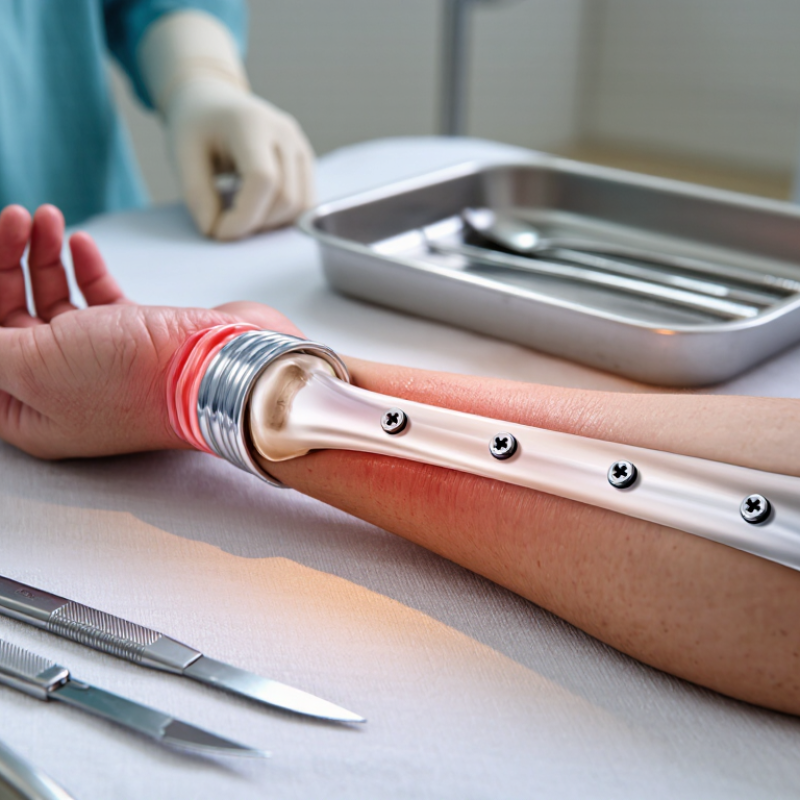
China’s leading orthopedic implants include artificial joints, spinal cages, trauma plates, screws, and intramedullary nails. They are selected to stabilize fractures, replace worn joints, or restore spinal alignment. The World Health Organization reports that musculoskeletal conditions affect about 1.71 billion people worldwide. Demand is also rising in China. The National Bureau of Statistics recorded 296.97 million Chinese residents aged 60 or above in 2023, representing 21.1% of the population.
Material choice matters. Titanium alloys are valued for strength and compatibility with bone. Cobalt-chromium alloys often support high-load joint components. Advanced ceramics may reduce wear in selected hip procedures. Surgeons also assess bone quality, infection risk, movement patterns, and expected lifespan.
“Top” does not mean universally best. That label is imperfect. A suitable implant must match the patient, surgical plan, and available clinical evidence.
Removal is not normally routine. A stable implant may remain in place for decades. Surgeons may consider revision when infection, loosening, severe wear, fracture, or persistent pain occurs. The American Academy of Orthopaedic Surgeons notes that revision joint replacement is more complex than primary surgery. Imaging, blood tests, and physical examination guide the decision. In practice, recovery can involve crutches, wound monitoring, and months of rehabilitation. Patient expectations still need careful discussion.
No. Many implants remain safely inside the body for life. Removal is considered only when symptoms or complications justify surgery.
Persistent pain, swelling, warmth, drainage, fever, or worsening discomfort may require review. A plate may rub against shoes. A screw may irritate a tendon during movement.
Yes. Infection may develop months later. Watch for increasing warmth, swelling, drainage, fever, or worsening pain. Timing alone cannot exclude infection.
They review X-rays or other scans, blood tests, surgical records, and joint function. They also assess walking, tenderness, and bone healing. The decision is rarely based on pain alone.
Yes. Loosening may cause a dull ache, abnormal movement, or delayed bone healing. Imaging helps confirm the problem. Symptoms can still be misleading.
Not always. Scar tissue, bone growth, or damaged hardware can complicate removal. A firmly fixed component may require bone removal. That can mean more bleeding and slower recovery.
Risks include temporary bone weakness, fracture, nerve injury, bleeding, and recurrent infection. Pain may remain after surgery. Removing the implant does not guarantee relief.
Simple plate or screw removal may allow walking within days. Weight-bearing limits can continue for several weeks. Complex removal may require physiotherapy and temporary walking support.
Ask whether removal is essential or merely possible. Confirm infection testing, weight-bearing limits, wound checks, and clot prevention. Ask about the fixation method and expected recovery.
Waiting may be safer when the implant is stable and symptoms are mild. A quiet first week proves little. Another specialist opinion may help when the reason feels unclear.
Can orthopedic implants be removed? In many cases, the answer is yes, but removal depends on the patient’s condition, the type and location of the implant, bone healing, and the surgeon’s professional assessment. Leading orthopedic implants made in China may include plates, screws, rods, joint components, and other devices used to stabilize fractures, support damaged joints, or restore movement. They are generally intended to remain in place unless a clear medical reason develops.
Removal may be considered after complete bone healing, persistent pain, infection, implant loosening, tissue irritation, allergic reaction, or restricted movement. Before surgery, doctors typically review imaging, medical history, symptoms, and healing progress to determine whether removal is safe and necessary. During the procedure, the surgeon carefully exposes and extracts the implant while protecting surrounding bone, nerves, and soft tissue. Recovery varies and may involve wound care, temporary activity limits, rehabilitation, and follow-up visits. Possible risks include infection, bleeding, nerve injury, bone weakness, and refracture, so patients should make decisions together with a qualified orthopedic specialist.
