Alur Orthopedic Implants
When a hand or foot injury threatens movement, sensation, or independence, choosing surgical care in China requires more than searching for the “best” hospital. The right decision depends on fracture complexity, tendon or nerve damage, circulation, infection risk, and rehabilitation needs. Experienced specialists usually begin with a physical examination and suitable imaging, such as X-rays, CT scans, or MRI. They should explain expected results, possible complications, and non-surgical alternatives. Small details matter. A crushed fingertip, an open ankle wound, and a numb toe may need entirely different responses.
How are injuries in hands and feet treated surgically? Treatment may include wound cleaning, bone fixation with plates, screws, or wires, tendon repair, nerve reconstruction, skin coverage, or joint replacement. Surgeons choose techniques according to anatomy, injury timing, tissue condition, and overall health. Urgent surgery may be needed when blood flow is reduced or tissue is exposed. Yet not every severe-looking injury requires immediate complex surgery. Clinical judgment matters. Decisions can change after swelling decreases or additional scans reveal hidden damage.
A reliable treatment pathway should involve qualified orthopedic, hand, foot-and-ankle, or plastic surgeons. It should also include imaging, anesthesia, infection control, and rehabilitation support. Patients can verify medical credentials, hospital standards, emergency access, and follow-up arrangements. Outcomes cannot be guaranteed. Healing may be slower than expected, and stiffness can remain after technically successful surgery. That is difficult to accept. Good care includes honest reassessment, wound monitoring, pain management, and guided exercises. This overview compares specialist approaches without declaring one Chinese hospital universally superior. Personal evaluation remains essential.
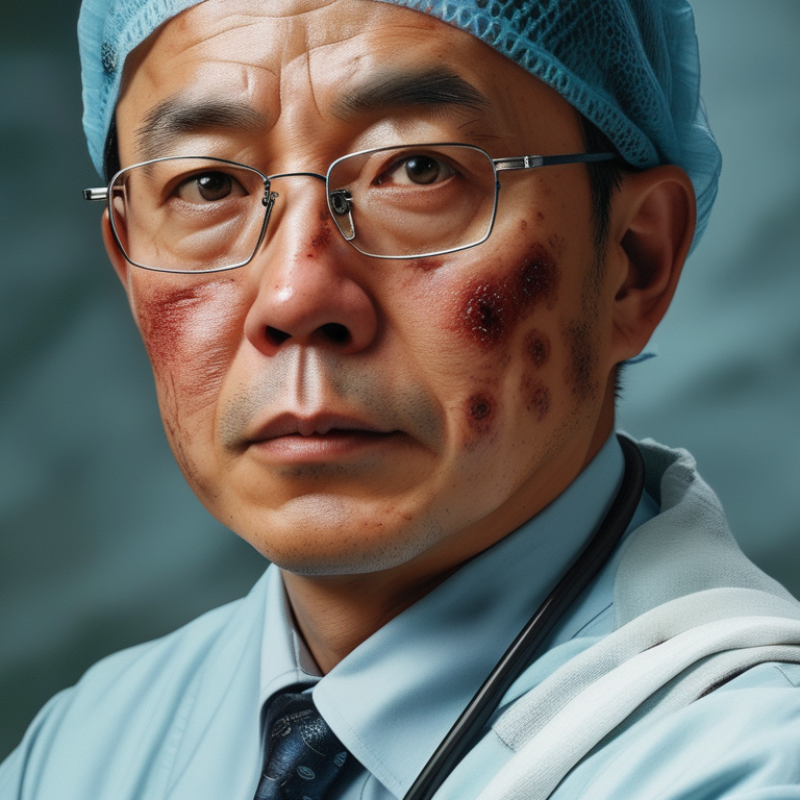
Hand and foot injuries vary from minor bruises to complex fractures and tissue damage. They may involve bones, tendons, nerves, blood vessels, skin, or joints. A hand injury often affects gripping, pinching, or finger movement. A foot injury may disturb balance, walking, or weight-bearing. Pain alone is unreliable. A deep wound near a joint can be more serious than it first appears.
Common causes include falls, workplace tools, sports contact, road crashes, and heavy objects landing on the limb. Repeated pressure can also cause stress fractures or tendon inflammation. Doctors classify injuries as open or closed, stable or displaced, and simple or complex. Tendon cuts may require repair, while unstable fractures may need surgical fixation. Nerve or vessel damage demands urgent assessment. Crush injuries are especially deceptive because swelling can hide deeper damage.
A qualified orthopedic or hand-and-foot specialist should examine movement, sensation, circulation, and skin condition. X-rays, ultrasound, or other imaging may guide treatment. Surgery is not always the best choice. It may be recommended when bones cannot align, wounds expose bone, or function is at risk. Treatment does not end in the operating room. Controlled movement, wound care, and rehabilitation help restore strength. Recovery differs widely. Some patients expect fast results, but that expectation needs reflection. Ignoring swelling, numbness, or increasing redness can delay healing.
Anatomical bone groups commonly assessed when planning treatment for hand and foot injuries
The human hand contains 27 bones and the human foot contains 26 bones. Fractures, dislocations, tendon injuries, nerve damage, and crush injuries may affect different bone groups and can require immobilization, reduction, or surgery. Common causes include falls, sports accidents, workplace trauma, road traffic incidents, and heavy-object or door-crush injuries. The anatomical counts shown above are established human anatomy figures, not injury-frequency statistics.
Reference: American Society for Surgery of the Hand and standard anatomical descriptions of the human hand and foot.
In China, hand and foot injury diagnosis usually begins with a careful injury history. Doctors ask how the accident happened, when pain started, and whether numbness followed. They inspect swelling, bruising, skin wounds, finger movement, and toe alignment. They also check pulses, skin temperature, and sensation. These small details may reveal tendon, nerve, vessel, or bone damage.
The World Health Organization’s Global Status Report on Road Safety 2023 estimates 1.19 million road deaths worldwide each year, with 20–50 million non-fatal injuries. Many survivors need accurate limb assessment.
Plain X-rays commonly identify fractures, dislocations, and joint alignment problems. CT can show complex fractures near the wrist, ankle, or heel. Ultrasound may help examine tendons and some soft-tissue injuries. MRI is useful when ligament, cartilage, or hidden bone damage remains suspected. Yet diagnosis is not always tidy. Severe swelling can hide deformity. An initial X-ray may miss a small fracture. Doctors may repeat imaging or seek an orthopedic consultation when symptoms continue.
Tips: Remove rings and tight footwear early. Keep the injured limb supported and avoid forceful movement. Tell the clinician about numbness, worsening pain, pale skin, or cold fingers and toes. Bring previous images if available. A practical reflection matters: pain intensity alone does not measure injury severity. A quiet-looking wound can still conceal tendon or vascular damage. Reliable assessment combines examination, imaging, clinical experience, and follow-up.
Hand and foot injuries need careful assessment, not automatic surgery. The Global Burden of Disease Study 2019 recorded about 178 million new fractures worldwide. Many involved the limbs. X-rays, circulation checks, sensation testing, and wound inspection guide treatment. A displaced fracture, open wound, tendon rupture, nerve damage, or threatened blood supply may require surgery. Timing matters, especially when swelling increases pressure inside the limb.
Nonsurgical care can work well for stable fractures and minor soft-tissue injuries. Doctors may use splints, casts, wound cleaning, elevation, and controlled movement. Follow-up imaging is important because alignment can change after swelling falls. Pain relief should match the patient’s health history. Rehabilitation often restores grip, walking balance, and joint motion. It can feel slow.
The American Academy of Orthopaedic Surgeons notes that severe hand fractures may need fixation to restore alignment and function. Foot injuries may require different weight-bearing plans. Clinical decisions are rarely perfect. A 2021 Lancet analysis found that fracture risk and disability vary widely by age, activity, and location. Patients should ask about infection risk, anesthesia, recovery time, and possible second procedures. In China, qualified orthopedic and microsurgical teams should document these findings before recommending surgery. Bruising alone does not prove a fracture, while numbness or pale skin needs urgent evaluation.
Selecting a qualified hospital matters more than choosing the lowest quoted fee. The WHO Global Status Report on Road Safety 2023 reports about 20–50 million non-fatal road injuries worldwide each year. Many involve fractures, tendon damage, nerve injuries, or crushed toes and fingers. A capable hospital should provide emergency assessment, digital imaging, microsurgical support, infection control, and structured rehabilitation.
Look for officially licensed medical services and surgeons trained in hand, foot, or orthopedic trauma. Ask how often the team treats complex injuries, not only routine fractures. The hospital should explain surgical options, anesthesia risks, expected recovery, and possible revision procedures. Transparent outcome records are valuable. So are clear billing documents.
Rehabilitation is essential. A repaired tendon may still fail without controlled movement and therapy. The hospital should offer physiotherapy and regular follow-up, ideally with one coordinated team. WHO rehabilitation guidance emphasizes early, individualized care after injury. Do not rely on impressive photographs alone. They prove little. A polished website cannot replace clinical evidence.
I would also check emergency response times, sterilization standards, and access to postoperative imaging. The Global Burden of Disease study shows injuries remain a major source of disability worldwide. That makes careful hospital selection practical, not cosmetic. No hospital gets every case right. Patients should ask difficult questions and seek another opinion when explanations feel rushed.
China Best Hand and Foot Injury Surgery Treatment?
Recovery after hand or foot injury surgery depends on tissue damage, repair stability, circulation, and general health. A surgeon should explain expected pain, swelling, weight-bearing, and movement limits before discharge. Early follow-up checks wound healing, nerve function, blood flow, and fixation. Recovery is rarely linear. A good week may be followed by stiffness or fatigue. That does not always mean the operation failed.
Rehabilitation often starts with protected movement, then guided strengthening. Hand injuries may need splint adjustments and fine-motor practice. Foot injuries may require crutches, gait training, and gradual loading. A therapist should measure range of motion, grip, balance, and swelling. Forcing movement can damage healing tissue. Too much rest can create adhesions and weakness. I have seen recovery plans need revision because the original timeline was too optimistic.
Tips: Keep the incision clean and follow dressing instructions. Elevate the limb when swelling increases. Take prescribed medicines exactly as directed. Report fever, spreading redness, worsening pain, numbness, pale or blue fingers or toes, drainage, or sudden calf pain. Smoking can slow bone and wound healing. Do not return to sport or heavy work without clearance. Ask how complications will be handled, including infection, delayed healing, nerve symptoms, stiffness, tendon problems, blood clots, or further treatment. Choose a hospital with qualified surgeons, rehabilitation staff, clear records, and accessible follow-up care.
: Surgery may be considered for displaced fractures, open wounds, tendon ruptures, nerve damage, or threatened blood flow. Numbness or pale skin needs urgent assessment. Timing can matter.
Stable fractures and minor soft-tissue injuries may improve with splints, casts, cleaning, elevation, and controlled movement. Follow-up images help confirm alignment. Healing can be slow.
Doctors may use X-rays, circulation checks, sensation testing, and wound inspection. They may also assess movement, swelling, and skin color. Bruising alone proves little.
Seek urgent care for severe pain, numbness, pale or blue skin, an open wound, or rapidly increasing swelling. Do not wait for symptoms to settle. That can be risky.
Look for licensed medical services, digital imaging, infection control, emergency assessment, and trained orthopedic or microsurgical teams. Rehabilitation should be available after treatment. A polished website proves little.
Ask about anesthesia, infection, recovery time, expected function, and possible second procedures. Request clear explanations and written billing details. Rushed answers deserve reflection.
Therapy can restore grip, walking balance, joint motion, and controlled tendon movement. A repaired tendon may still fail without appropriate exercises. Progress is rarely instant.
Consider emergency response times, sterilization standards, treatment experience, follow-up imaging, and rehabilitation coordination. Do not choose only by price. No hospital gets every case right.
Hand and foot injuries can result from falls, sports, workplace accidents, crushing forces, cuts, burns, or overuse. Common problems include fractures, dislocations, tendon and ligament damage, nerve injuries, and severe soft-tissue wounds. In China, doctors typically assess the injury through a physical examination, medical history, and imaging such as X-rays, ultrasound, CT, or MRI when necessary. The diagnosis helps determine whether the injury requires urgent care, surgery, or conservative treatment.
How are injuries in hands and feet treated surgically depends on the injury’s location, severity, and effect on movement, circulation, and nerve function. Surgical options may include fracture fixation, tendon or ligament repair, wound cleaning, nerve reconstruction, and soft-tissue reconstruction. Less serious injuries may improve with immobilization, medication, wound care, and physical therapy. Patients should choose a qualified hospital with experienced specialists, appropriate imaging, emergency support, and rehabilitation services. Recovery may take weeks or months and can involve therapy to restore strength and flexibility. Possible complications include infection, stiffness, nerve symptoms, delayed healing, or reduced function, making follow-up care essential.
