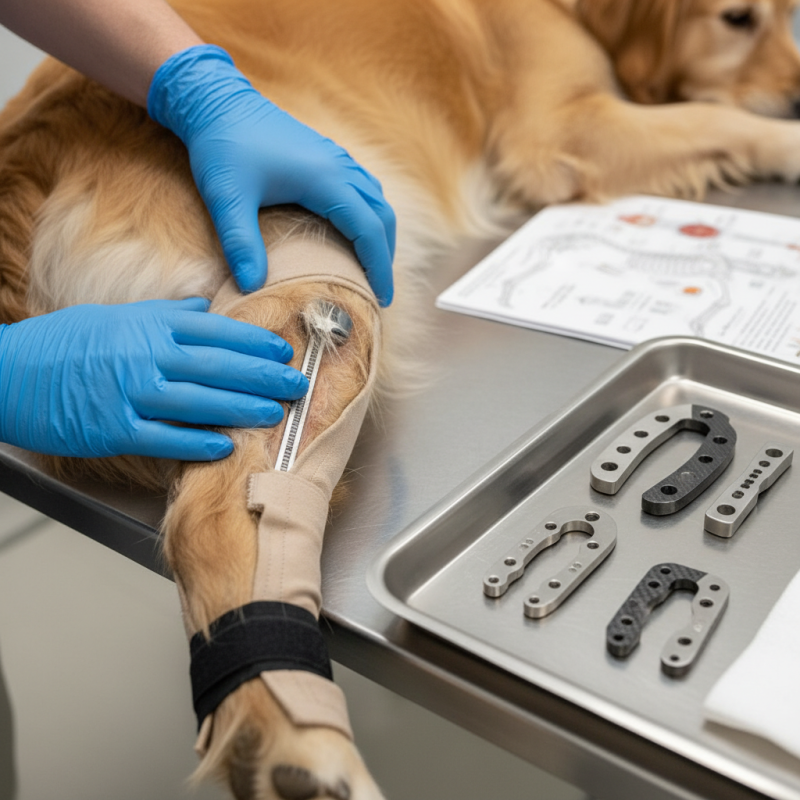
Choosing the right TPLO plates for your dog can be challenging. Many factors come into play when making this crucial decision. Owners should consider their dog's size, activity level, and unique health needs. This can feel overwhelming, especially with so many options available.
TPLO plates are essential for dogs recovering from cranial cruciate ligament (CCL) injuries. The right choice can influence healing and mobility. It's not just about picking any plate. It’s about matching the plate with your dog's specific requirements.
Some dogs may not respond well to certain materials. Research shows that compatibility matters. Owners often overlook this detail. It's vital to consult with your veterinarian. Their expertise will guide you through the selection process. In the end, the right TPLO plates can make all the difference in your dog's recovery journey.
Understanding TPLO Plates and Their Functionality
When dealing with TPLO plates, understanding their design and functionality is crucial. These plates stabilize the knee joint after surgery by preventing excessive movement. Typically made from titanium or stainless steel, they are engineered for durability. Research shows that over 90% of dogs experience improved mobility post-surgery.
When selecting TPLO plates, consider the size and weight of your dog. Smaller dogs may require thinner plates, while larger breeds need something more robust. It’s essential to choose a plate that fits your dog's unique anatomy. A poorly fitted plate can lead to complications. Remember that not all plates are created equal.
Tip: Consult with your veterinarian to determine the best fit. They can provide insights based on your dog's specific needs. Look for plates that have an extensive history of successful use in similar cases.
The recovery process can be unpredictable. Some dogs adapt well, while others may take longer. Be prepared for this variability. Your dog's age and overall health can impact recovery.
Tip: Monitor your dog closely during recovery. Early intervention can make a significant difference in healing outcomes. Keep records of their progress, noting any changes in behavior.
Factors to Consider When Selecting TPLO Plates for Dogs
When selecting TPLO plates for dogs, several factors come into play. The size and weight of your dog significantly influence your choice. Larger breeds may require more robust plates to handle stress and movement. A study published in the Journal of Veterinary Orthopaedics indicates that dogs over 80 pounds have a higher risk of plate failure if the wrong type is used.
Material is another important consideration. Most TPLO plates are made from stainless steel, but titanium options are available. Titanium is lighter and can reduce stress on the bone, but it is often more expensive. The risks of using the wrong material include complications during recovery, which can lead to metal fatigue over time.
Finally, vet recommendation stands out. Consulting with a veterinary orthopedic specialist is crucial. They can assess your dog’s specific condition and guide you towards the most suitable plate. Remember, not all plates are created equal. Each case can be unique, requiring careful thought and reflection on the best material and size for long-term success.
Evaluating Material Types and Their Impact on Durability
When considering TPLO plates for your dog, evaluating material types is crucial.
Titanium and stainless steel are common options.
Titanium is lightweight and corrosion-resistant, making it a popular choice.
However, it can be more expensive.
Stainless steel offers durability and strength at a lower cost.
Yet, it may be heavier and prone to corrosion over time.
Tips: Look for plates that suit your dog's activity level.
A more active dog could benefit from stronger materials.
A lighter option might be preferable for smaller breeds.
Always consider your dog’s specific needs.
Analyze the trade-offs between weight and strength.
Durability matters in TPLO plates.
Some materials withstand more wear and tear than others.
Factor in your dog's habits and environment.
A dog that loves to run may wear down certain materials faster.
Tips: Observe how your dog interacts with their surroundings.
This can inform your decision.
Consult with your veterinarian for tailored advice.
Reflect on the costs versus long-term benefits.
Sometimes, investing in a quality plate pays off in the long run.
Sizing and Fit: Ensuring Proper Alignment for Your Dog
Choosing the right TPLO plates for your dog requires careful consideration of sizing and fit. Proper alignment is crucial for effective recovery. Each dog's anatomy is unique, and misalignment can lead to complications. It’s essential to assess your dog's measurements accurately. Measure the length and width of the tibia precisely. Small errors can make a significant difference in healing.
In addition to measurements, consider how the plate sits against the bone. A good fit ensures stability while minimizing discomfort. If the plate doesn’t align well with the bone structure, it may need adjustments. This process can be demanding and often requires multiple assessments to find the right plate. Watch for signs of irritation or discomfort in your dog post-surgery. It can be hard to notice these subtle cues.
Throughout the process, stay open to feedback from your veterinary team. They can provide insights you might miss. Their expertise can enhance your understanding of how the plate functions in practice. Remember, a little patience can lead to better outcomes for your beloved pet.
How to Choose the Right TPLO Plates for Your Dog? - Sizing and Fit: Ensuring Proper Alignment for Your Dog
| Dog Breed |
Plate Size |
Length (mm) |
Width (mm) |
Thickness (mm) |
Recommended Weight (lbs) |
| Labrador Retriever |
Medium |
100 |
25 |
6 |
55-80 |
| German Shepherd |
Large |
120 |
30 |
8 |
50-90 |
| Beagle |
Small |
80 |
20 |
5 |
20-30 |
| Bulldog |
Medium |
90 |
25 |
6 |
40-50 |
| Rottweiler |
XLarge |
130 |
35 |
9 |
90-120 |
Consulting Your Veterinarian for Personalized Recommendations
Choosing the right TPLO plates for your dog requires careful consideration. Consulting your veterinarian is crucial. They have the expertise to recommend the most suitable options based on your dog’s specific needs. Each dog's case is unique; factors such as
age, weight, and activity level play a significant role in this decision.
Veterinarians often use data from the Veterinary Orthopedic Society. Statistics show that around
90% of dogs experience improved mobility after proper surgery. A customized plan can significantly impact recovery. Your vet will evaluate the injury type and its severity before suggesting any plates.
Tip: Ask your veterinarian about the latest advancements in plate technology. Modern options may offer better outcomes than older designs.
Another point to consider is the potential for complications. Not every dog reacts positively to all plate types. Your veterinarian can monitor your dog's response to treatment.
Tip: Keep a daily log of your dog's behavior post-surgery. This information can help your vet make timely adjustments to the recovery plan.
Taking these steps ensures your dog’s well-being while navigating the often complex choices in TPLO surgery. Ensuring open communication with your veterinarian can lead to the best possible outcome for your furry friend.
Conclusion
Choosing the right TPLO Plates for your dog is crucial for successful recovery from tibial plateau leveling osteotomy surgery. Understanding the functionality of TPLO Plates is the first step, as they play a vital role in stabilizing the knee joint during the healing process. When selecting TPLO Plates, several factors should be considered, including the material types, which can significantly impact the durability and longevity of the plates.
Additionally, proper sizing and fit are essential to ensure correct alignment and optimal healing for your dog. It's highly recommended to consult with your veterinarian, who can provide personalized advice and help you select the most appropriate TPLO Plates based on your dog's specific needs. This tailored approach can make a significant difference in your dog's recovery journey.
 Alur Orthopedic Implants