Alur Orthopedic Implants Alur Orthopedic Implants

Can I Exercise After Orthopedic Implant Surgery Safely?

Time:2026-06-10 Author:Charlotte
0%

After orthopedic implant surgery, many patients wonder, "Can I exercise after orthopedic implant surgery?" This question highlights the need for a careful approach to recovery. Following such procedures, the body requires time to heal. Engaging in exercise too soon may lead to complications. Understanding when it's safe to return to physical activity is crucial.

Post-surgery, the body undergoes significant changes. Muscles may weaken, and joint function can be impaired. Therefore, it's essential to listen to your body and consult with healthcare professionals. They can provide tailored advice based on individual recovery progress. Rushing into exercise could risk re-injury, leading to frustration.

Encouragement to engage in physical activity is common but must be balanced with caution. Rehabilitative exercises can aid recovery, yet they're not without challenges. Patients may face moments of doubt and frustration as they navigate their healing journey. A safe return to exercise promotes not only physical health but also mental well-being.
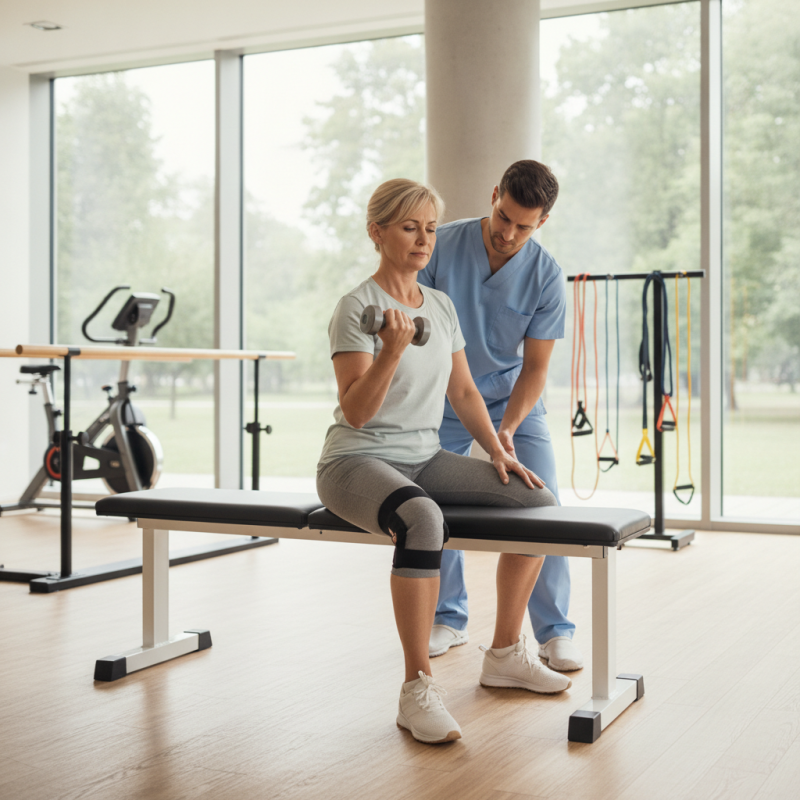
Can I Exercise After Orthopedic Implant Surgery Safely?

Understanding Orthopedic Implants and Their Impact on Exercise

After orthopedic implant surgery, it's crucial to understand how these devices impact your ability to exercise. Implants, such as joint replacements or plates, may enhance stability but can also limit mobility initially. While they promote recovery, adhering to safe exercise practices is vital to avoid complications.

Engaging with your healthcare provider is essential for personalized advice. Follow their guidelines on when to start exercising. Begin with gentle movements. Simple stretches and low-impact exercises will help improve flexibility. Gradually increase intensity as your doctor allows. Listen to your body. Pain is a signal that you should not ignore.

Consider using supportive devices like braces or canes when starting exercises. These tools can provide stability and confidence. Being cautious is key. Recognize that everyone’s experience is different. Some may recover quickly, while others take time. Maintaining patience and staying aware of your body’s signals can lead to a more successful recovery.

Impact of Exercise on Recovery Post-Orthopedic Implant Surgery

This chart illustrates the recommended recovery phases in weeks post-orthopedic implant surgery for different levels of exercise intensity. Low impact exercises are typically suggested as early as one week post-surgery, while moderate to high impact activities may be safe only after several weeks, depending on individual recovery rates and physician advice.

Importance of Post-Surgery Recovery and Rehabilitation

Post-surgery recovery is crucial after orthopedic implant surgery. Healing takes time, and rehabilitation plays a vital role. Patients often feel pressured to return to normal activities. However, rushing this process can lead to complications. Focus on gradual recovery instead.

Rehabilitation means more than just rest. It includes physical therapy, gentle exercises, and mobility training. Patients should work closely with their healthcare team. Customized rehabilitation plans help address individual needs. Open communication fosters trust and eases anxiety during recovery.

Listening to your body is key. Some days may feel better than others. Fatigue and pain can signal the need for a break. Acknowledge these feelings. They are part of the healing journey. Embrace small victories, like improved range of motion. Reflect on your progress and setbacks. This mindfulness can enhance recovery.

Guidelines for Safe Exercise After Orthopedic Surgery

After orthopedic implant surgery, safe exercise is critical for recovery. Guidelines emphasize the importance of gradual progression. According to the American Academy of Orthopaedic Surgeons, patients can safely begin light activities within 2-6 weeks post-surgery. Each patient’s healing timeline varies, making personalized advice essential.

Physical therapists often recommend low-impact activities like walking or swimming to promote healing. Start with short durations, around 10-15 minutes. Regular assessments help gauge how your body responds. Some individuals may experience discomfort during initial exercises. Listening to your body is vital and can prevent setbacks.

Monitoring progress is crucial. A study published in the Journal of Orthopaedic Research highlights that consistent, supervised exercise regimens post-surgery lead to better outcomes. However, pushing too hard too soon can result in complications. Be cautious. Emphasize form over intensity to strengthen muscles without risking injury. Always consult healthcare professionals before altering your exercise routine.

Types of Exercises Recommended for Post-Implant Patients

After orthopedic implant surgery, choosing the right exercise is crucial for recovery. Gentle movements like walking and stretching are often advisable. These activities can enhance circulation and flexibility. Many patients find walking easy to incorporate into their daily routine. Short sessions can lead to significant improvements over time.

Another beneficial exercise includes stationary cycling. It provides a low-impact way to strengthen the legs. Patients can adjust the resistance as they progress. Water aerobics is also popular; the buoyancy of water reduces stress on the joints. This type of exercise can help build strength without discomfort.

However, some may feel hesitant to start. It's natural to worry about pain or re-injury. Listening to your body is essential. If an exercise feels wrong, it may be wise to stop. Consulting with a healthcare professional can provide guidance. They can help tailor a workout plan suited to individual needs. Recovery can be a slow process, but patience is vital.

Can I Exercise After Orthopedic Implant Surgery Safely? - Types of Exercises Recommended for Post-Implant Patients

Type of Exercise Recommended Duration Frequency Benefits
Walking 20-30 minutes Daily Improves circulation, aids recovery
Swimming 30-45 minutes 3-4 times a week Low-impact, builds strength
Cycling 15-30 minutes 4-5 times a week Boosts leg strength, joint flexibility
Stretching 10-15 minutes Daily Improves flexibility, reduces stiffness
Resistance Training 20-30 minutes 2-3 times a week Builds muscle strength, supports recovery

Signs of Complications and When to Avoid Exercise

After orthopedic implant surgery, watching for signs of complications is crucial. Pain that worsens, excessive swelling, or changes in skin color may indicate issues. You should contact your healthcare provider immediately if you notice these symptoms. Other signs include fever, chills, or unusual discharge at the incision site. These could signify infection or other serious complications.

Exercise can be beneficial post-surgery, but you must remain cautious. Low-impact activities like walking may be appropriate. However, listen to your body. If an exercise causes pain or discomfort, stop immediately. Remember, it’s important to allow your body time to heal. Some patients might feel pressure to return to normal routines quickly. This can lead to setbacks or injuries. Balancing recovery with physical activity will require patience and mindful choices. Being aware of your body's signals can help ensure a safer recovery journey.

FAQS

: Why is post-surgery recovery important?

: Post-surgery recovery is crucial for healing. Rushing can lead to complications.

What does rehabilitation involve?

Rehabilitation includes physical therapy, gentle exercises, and mobility training. Close work with the healthcare team is essential.

How should patients approach their recovery timeline?

Patients should focus on gradual recovery, not rush back to normal activities. Healing takes time.

What types of exercises are recommended after surgery?

Low-impact activities, like walking or swimming, are often recommended. Start with short durations, around 10-15 minutes.

How can patients recognize complications?

Watch for worsening pain, excessive swelling, or changes in skin color. Contact a healthcare provider if these occur.

What should patients do if they experience discomfort during exercise?

Stop the exercise immediately. Listen to your body to prevent setbacks.

How can patients ensure they are progressing safely?

Regular assessments can help gauge your body's response. Monitor your progress and adapt as needed.

What should patients reflect on during recovery?

Acknowledge small victories and reflect on both progress and setbacks. Mindfulness can enhance the recovery experience.

Why is communication with the healthcare team important?

Open communication fosters trust and eases anxiety. It allows for customized rehabilitation plans.

What factors can affect a patient's healing timeline?

Every patient heals differently. Factors include age, health status, and adherence to rehabilitation guidelines.

Conclusion

After undergoing orthopedic implant surgery, many patients often wonder, "Can I exercise after orthopedic implant surgery?" Understanding the nature of orthopedic implants and their impact on physical activity is crucial for a safe recovery. Post-surgery recovery and rehabilitation are essential to ensure that the body heals properly. Following specific guidelines for safe exercise is important, as inappropriate activities can lead to complications.

Patients are encouraged to engage in low-impact exercises that promote healing and strength, as well as flexibility. Recommended exercises typically include walking, swimming, and gentle stretching, tailored to individual recovery timelines. It's vital to recognize signs of complications, such as increased pain or swelling, which may indicate the need to pause physical activity. Consulting with healthcare providers can help determine the right balance between exercise and recovery, ensuring a safe return to physical activity post-surgery.

Charlotte

Charlotte

Charlotte is a seasoned marketing professional with a deep understanding of the company's portfolio and a passion for elevating its presence in the market. With a keen eye for detail and a commitment to excellence, she ensures that our professional blog is regularly updated with insightful articles......