In recent years, dental implants have transformed oral healthcare. According to the American Academy of Implant Dentistry, nearly 3 million Americans have implants, with that number growing by 500,000 annually. However, the longevity of these implants is a common concern. "How can I make my implants last longer" is a pressing question for many patients seeking lasting solutions.
Expert studies highlight that proper maintenance is crucial. A study published in the Journal of Oral Implantology states that implants can last over 10 years with ideal care and regular dental check-ups. Daily brushing and flossing, combined with biannual professional cleanings, significantly increase the lifespan of implants. Yet, many people overlook the importance of routine care, leading to potential failures.
Additionally, lifestyle choices impact implant durability. Smoking and poor diet can jeopardize the stability of implants. While advancements in materials have improved outcomes, proactive patient engagement remains essential. By addressing both preventive care and lifestyle adjustments, patients can significantly enhance the longevity of their dental implants. Overlook these aspects, and the risk of complications increases. Balancing technology and personal responsibility is key in the journey of implant success.
Understanding Dental Implants: A 2026 Overview
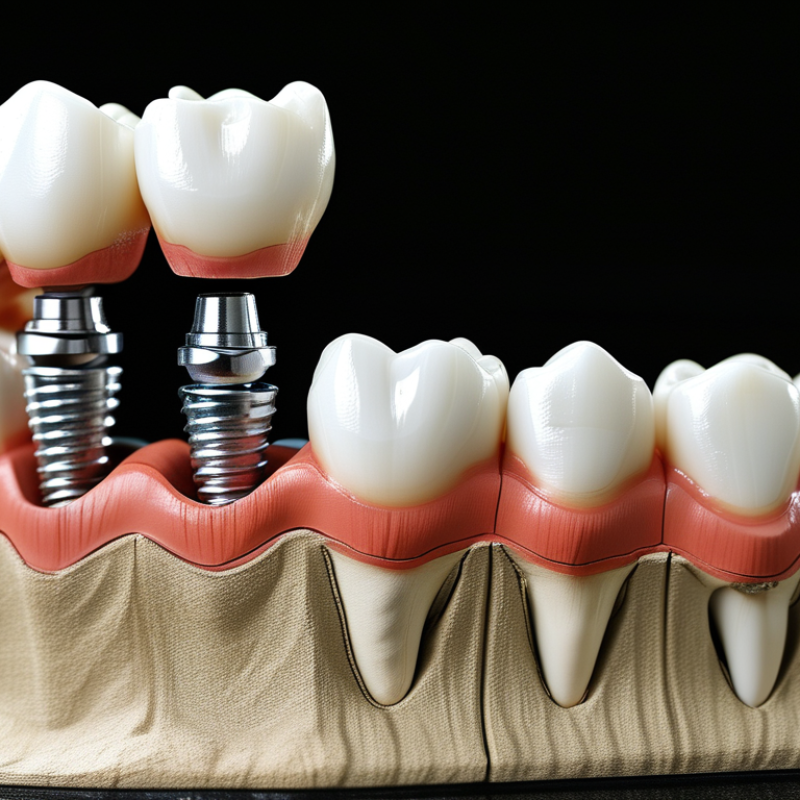
Dental implants have transformed tooth replacement. Their design mimics natural teeth, offering strength and stability. In 2026, understanding the components of these implants is crucial. They consist of titanium posts, abutments, and crowns. Each part plays a unique role in your oral health.
Regular dental check-ups remain essential. Cleaning around the implant is often neglected. This oversight can lead to complications. Not everyone has the same experience with implants. Some individuals may face discomfort or infection, underscoring the need for ongoing care. Maintaining oral hygiene is vital. Brushing and flossing should be routine tasks.
Diet also impacts implant longevity. Sugary or acidic foods can cause inflammation around implants. Balance your diet to support overall health. Stay hydrated; fluids help maintain oral health.
Remember, your dental implants rely on you for care. It’s a partnership that requires attention, knowledge, and action.
Common Factors Affecting the Longevity of Dental Implants
Dental implants can last many years, but several factors influence their longevity. Oral hygiene is crucial. Patients must brush and floss daily. Neglecting these practices can lead to gum disease. The health of surrounding tissues affects implant stability. Inadequate care may result in inflammation or infection.
Bone density plays a role, too. Sufficient bone supports the implant. Patients with bone loss might face complications. Regular check-ups with a dental professional can help monitor bone health. Additionally, habits like smoking can hinder healing. The chemicals in tobacco affect blood flow to the gums.
Patient lifestyle also contributes to implant success. A diet rich in vitamins promotes healing. Consuming soft foods during recovery aids initial stability. Stress management is essential; it can influence oral health. Trauma from grinding teeth can lead to implant failure, so it's vital to stay aware of such habits. These factors remind us that maintaining dental implants requires a proactive approach.
How to Extend the Life of Your Dental Implants in 2026 - Common Factors Affecting the Longevity of Dental Implants
| Factor |
Impact on Longevity |
Recommended Action |
| Oral Hygiene |
High impact, poor hygiene can lead to infections |
Regular brushing, flossing, and dental check-ups |
| Smoking |
Negatively affects healing and increases failure rates |
Quitting smoking before and after surgery |
| Diet |
Poor nutrition can weaken oral health and implant integration |
Balanced diet rich in vitamins and minerals |
| Regular Dental Visits |
Early detection of issues can prolong implant life |
Biannual visits for check-ups and cleanings |
| Underlying Health Conditions |
Conditions like diabetes can hinder healing |
Manage health conditions with a healthcare provider |
| Bone Quality |
Adequate bone density is crucial for stability |
Consider bone grafting if necessary |
Essential Daily Care Practices for Lasting Implants
Maintaining dental implants requires diligent daily care. Brushing twice a day is essential. Use a soft-bristled toothbrush to avoid damaging the implant. Flossing is equally important. It helps remove food particles that a toothbrush can't reach. Consider using a floss threader designed for implants. Rinsing with an antibacterial mouthwash can also keep your gums healthy.
Regular dental check-ups are crucial. These visits allow your dentist to monitor implant health. They can detect issues early. Even with great home care, professional advice is invaluable. You might think you’re doing everything right, but small oversights can lead to problems.
Diet plays a vital role too. Hard and sticky foods can put stress on your implants. Focus on a balanced diet with soft foods. Hydration is equally important, as it aids saliva production. Remember, how you treat your implants daily matters. Small habits can lead to big results over time. Reflect on your routine regularly; even minor adjustments can enhance longevity.
Regular Professional Maintenance for Optimal Implant Health
Regular professional maintenance is crucial for the longevity of dental implants. Routine check-ups allow your dentist to monitor the health of your gums and the implant itself. Often, early signs of issues are subtle and easily missed. Regular visits can catch these problems before they escalate. A thorough cleaning removes plaque and tartar that could lead to complications.
In addition to professional care, patients must maintain good oral hygiene at home. Brushing and flossing play an essential role in implant health. It's important to use the right techniques and tools. Some might find it challenging to change their habits. Reflection on daily routines can often help identify areas for improvement. Remember, your commitment can significantly impact the health of your implants.
It's also wise to discuss any discomfort or concerns with your dental professional. Open communication fosters trust and helps in tailoring care. Sometimes, patients overlook minor issues until they become significant challenges. Recognizing the importance of regular maintenance is key. This proactive approach can result in a successful and lasting dental implant experience.
Dental Implants Maintenance and Longevity
Lifestyle Choices to Support Dental Implant Durability in 2026
Maintaining dental implants requires conscious lifestyle choices. Regular dental check-ups are essential for monitoring the health of your implants. Hygiene is crucial; brushing and flossing are non-negotiable. Use a soft-bristle toothbrush to avoid damaging your gums. It’s important to keep the area around the implant clean.
Diet plays a significant role in the longevity of implants. Consuming crunchy fruits and vegetables can be beneficial. They naturally clean teeth and gums as you chew. However, avoid excessive sugary foods that can lead to plaque build-up. Alcohol and smoking can impair healing too, therefore moderation is key.
Emotional health can impact oral care habits. Stress often leads to neglecting dental hygiene. Mindfulness practices can help manage this. Reflect on your routines and adjust where necessary. Be open to changing habits for better health. Small tweaks in your daily life may significantly extend the life of your dental implants.
Conclusion
In "How to Extend the Life of Your Dental Implants in 2026," the article provides a comprehensive overview of dental implants and their longevity. Understanding the intricacies of dental implants is vital, as various factors can influence their durability, including oral hygiene and lifestyle choices. To ensure the longevity of your implants, essential daily care practices are crucial, such as regular brushing and flossing. Moreover, professional maintenance is imperative for optimal implant health, with routine check-ups helping to identify potential issues early.
The article further emphasizes that lifestyle choices significantly impact implant durability in 2026. By adopting healthy habits and asking, "How can I make my implants last longer," patients can enhance their oral health and extend the lifespan of their implants. In summary, a proactive approach involving diligent care and lifestyle adjustments is key to maintaining dental implants effectively.
 Alur Orthopedic Implants
