Alur Orthopedic Implants Alur Orthopedic Implants

How Do Implants Relieve Back and Neck Pain Effectively?

Time:2026-08-11 Author:Henry
0%

Back and neck pain affects millions globally. Many seek relief through various treatments. One innovative solution is the use of implants. How do implants help relieve back and neck pain? This method targets the underlying issues. Implants can provide support and stability to affected areas. They often lead to significant pain reduction.

Understanding this topic requires expertise in spinal health. Medical professionals emphasize the importance of tailored treatment plans. Implants can correct misalignments and enhance mobility. Patients often report improved quality of life. However, outcomes can vary. Not everyone may see the same results. Some face challenges during recovery. It’s essential for patients to engage in open discussions with their doctors.

When considering this option, research is vital. Patients should look into different implant types. Consulting with qualified specialists can improve decision-making. Despite the promise of implants, they are not a cure-all. Each individual case is unique. Overall, the benefits of implants can lead to significant pain relief, enhancing everyday life for many.
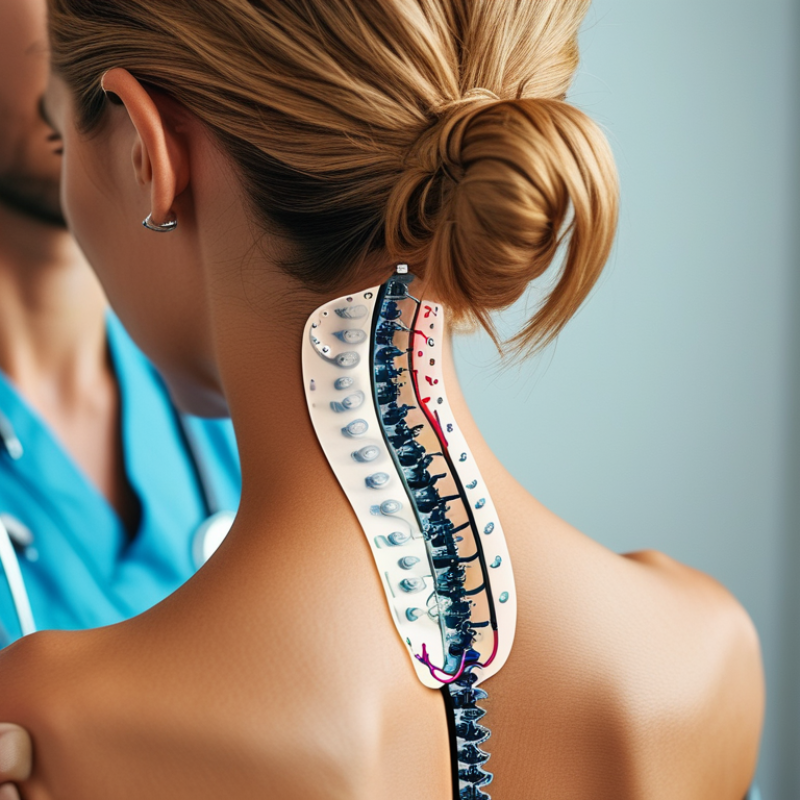
How Do Implants Relieve Back and Neck Pain Effectively?

Understanding Back and Neck Pain: Causes and Symptoms

Back and neck pain is a widespread issue, affecting millions globally. According to the World Health Organization, approximately 60-70% of people experience this pain at some point. Causes can range from poor posture to injuries and medical conditions. Symptoms often include stiffness, muscle spasms, and limited mobility, which can significantly affect daily life.

Understanding these pain sources is crucial for effective relief. Poor ergonomics, especially with prolonged computer use, often contribute to discomfort. Age-related degeneration, such as disc herniation, also plays a role. Studies show that nearly 80% of adults experience back pain due to lifestyle factors. Notably, physical therapy can be beneficial, with many professionals emphasizing exercises to strengthen muscles.

Tip: Maintain proper posture. Adjust your workstation to support a neutral spine.

Identifying the signs early can help in seeking appropriate treatment. Many overlook the mental aspect, where stress may further exacerbate pain. A comprehensive approach often yields better outcomes. Seeking advice from healthcare providers ensures tailored solutions.

Tip: Incorporate relaxation techniques, such as mindfulness and deep breathing. They can reduce stress-induced tension.

The Role of Implants in Treating Spinal Disorders

Implants play a crucial role in addressing spinal disorders. When the spine is damaged, traditional methods may not always provide relief. Here, implants step in as a viable alternative. They offer stabilization to affected areas, which leads to reduced pain. Surgeons often use implants to fixate vertebrae, allowing for better mobility.

The design of these implants is intricate, developed with advanced materials. They can mimic the natural curvature of the spine. This feature is essential for maintaining balance and proper alignment. However, selecting the right implant is critical. Each patient has unique needs, and a one-size-fits-all approach may not work.

Some patients may experience complications. Infections and implant failures are potential risks. Transparent discussions about these issues are necessary. Understanding the benefits and risks can help patients make informed decisions. The journey to relief can be complex, but implants offer a pathway to improved quality of life.

How Implants Function to Alleviate Pain

Implants play a significant role in alleviating back and neck pain by directly addressing underlying structural issues. They work by stabilizing the spine and reducing pressure on nerves. According to industry reports, nearly 80% of individuals with chronic pain see relief post-implant surgery. This data reflects the effectiveness of implants in improving quality of life for many patients.

Pain relief from implants is often linked to their ability to support or replace damaged vertebrae. This helps restore proper alignment. Additionally, implants allow for improved mobility. As patients regain their range of motion, their overall health tends to improve. Recent studies indicate that around 75% of patients report reduced pain levels within six months after surgery.

Tips: Consider consulting with a specialist to evaluate if implants are suitable for your condition. Understanding the potential risks is crucial. Regular follow-ups post-implant are essential for ensuring their effectiveness. Proper physical therapy can further enhance outcomes, fostering quicker rehabilitation and pain relief.

Success Rates and Patient Outcomes with Implant Surgery

Implant surgery has become a viable option for managing chronic back and neck pain. Recent data shows that patients experience significant relief, with success rates reportedly reaching 85% in certain cases. This high rate of effectiveness speaks to the advancements in surgical techniques and implant materials. Patient feedback indicates that many experience improved mobility and a notable reduction in pain levels.

The outcomes vary based on several factors. For instance, a study highlighted that younger patients tend to achieve better results than older patients. Additionally, the quality of preoperative evaluations can play a crucial role in determining success. Complications do arise; around 10% of patients may face issues like infection or implant displacement. Understanding these risks is essential, as they can lead to additional surgeries.

Patient satisfaction is another significant aspect. Many report a newfound ability to engage in daily activities that were previously hindered by pain. This positive outcome is a testament to the potential of implants. Yet, it underscores the need for thorough discussions between healthcare providers and patients regarding expectations and recovery. The decision to proceed should be made after careful consideration of both the benefits and challenges involved.

How Do Implants Relieve Back and Neck Pain Effectively? - Success Rates and Patient Outcomes with Implant Surgery

Procedure Type Success Rate (%) Average Pain Reduction (0-10 Scale) Patient Satisfaction (%) Post-Op Complications (%)
Cervical Disc Replacement 86% 7.5 90% 5%
Lumbar Fusion 78% 6.9 85% 8%
Interspinous Process Device 80% 7.2 88% 4%
Artificial Disc Replacement 82% 7.8 91% 6%

Potential Risks and Considerations of Implant Procedures

Implant procedures can provide relief for back and neck pain, yet they come with potential risks. According to a study published in the Journal of Clinical Orthopaedics, about 15-20% of patients may experience complications post-surgery. These complications can range from infections to implant failure. Understanding these risks is crucial for anyone considering surgery.

Moreover, the long-term effectiveness of implants raises questions. A report from the American Academy of Orthopaedic Surgeons highlights that while many patients report initial relief, some experience recurring pain after a few years. This variability can be influenced by different factors, including the type of implant used and individual health conditions.

Patients must be fully informed about these aspects. Communication with healthcare providers is essential to set realistic expectations. Having thorough discussions about risks, benefits, and possible outcomes can greatly impact recovery and satisfaction. It’s important to weigh these risks against potential benefits carefully.

How Do Implants Relieve Back and Neck Pain Effectively?

This chart illustrates the effectiveness of implants in relieving back and neck pain, comparing various implant types based on patient satisfaction, pain reduction, and recovery time.

FAQS

: What is the success rate of implant surgery for back and neck pain?

: The success rate reportedly reaches 85% in some cases. Many patients find significant relief.

Do outcomes differ based on patient age?

Yes, younger patients generally achieve better results than older patients. Age plays a role in outcomes.

What are common complications from implant surgery?

Around 10% of patients may face complications like infection or implant displacement. These can lead to further surgeries.

How does patient feedback reflect their experiences after surgery?

Many patients report improved mobility and reduced pain levels. This feedback shows the potential of implants.

What should patients consider before deciding on implant surgery?

Patients need to understand both risks and benefits. Conversations with healthcare providers are crucial for informed decisions.

Are there long-term concerns about implant surgery effectiveness?

Some patients experience recurring pain after a few years. This variability can depend on many factors, including health conditions.

How can patients enhance their recovery experience?

Communication with healthcare providers is vital. Discussing expectations and possible outcomes can greatly affect satisfaction.

What role do preoperative evaluations play?

The quality of preoperative evaluations can impact surgical success. Careful assessments are necessary for optimal outcomes.

What is essential for managing expectations?

Health care providers and patients should engage in thorough discussions. Understanding risks, benefits, and challenges is important.

What reflects a need for reflection in patient decisions?

Patients should weigh risks against benefits carefully. Every decision should consider potential challenges and differing outcomes.

Conclusion

Implants have become a significant option for treating back and neck pain, addressing various spinal disorders effectively. Understanding the underlying causes and symptoms of such pain is crucial, as it helps identify when implants may be necessary. These devices are designed to stabilize the spine and alleviate pressure on nerves, thereby reducing discomfort and improving mobility.

The question of "How do implants help relieve back and neck pain" is central to their function; they provide structural support that can lead to a reduction in pain levels. Success rates for implant surgeries have shown promising outcomes, with many patients reporting significant relief. However, potential risks and considerations must be taken into account, ensuring that patients are well-informed before proceeding with this treatment option. Overall, implants can be an effective solution for those suffering from chronic back and neck problems, offering hope for a better quality of life.

Henry

Henry

Henry is a dedicated marketing professional with a profound expertise in the company's offerings. With years of experience in the industry, he possesses an impressive understanding of the market dynamics and consumer behaviors that drive success. Henry is committed to sharing his insights through......