Alur Orthopedic Implants Alur Orthopedic Implants

Can Orthopedic Implants Be Removed Safely and Effectively?

Time:2026-06-07 Author:Sienna
0%

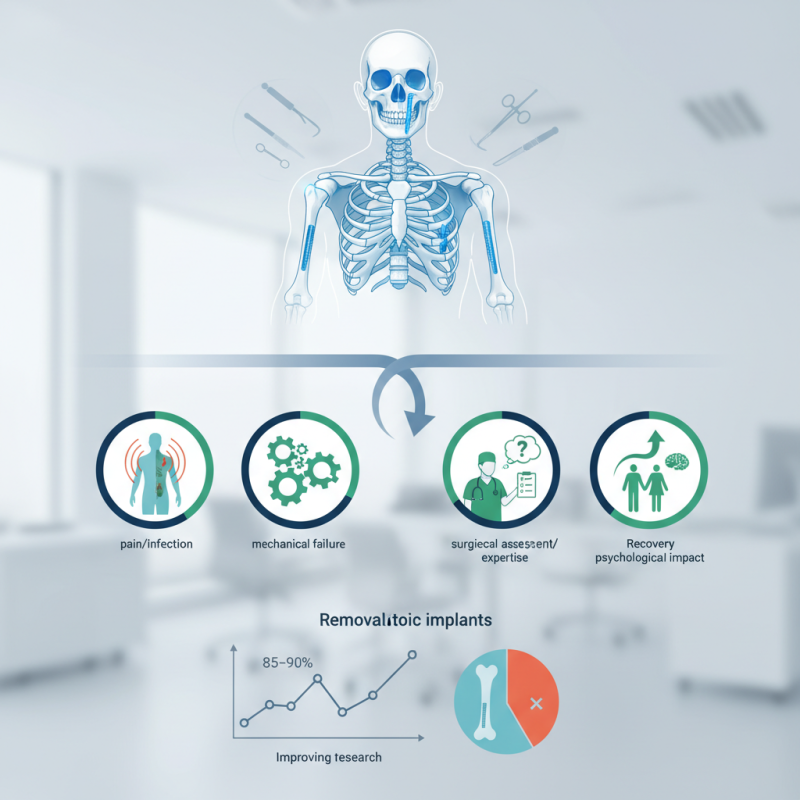
The question, "Can orthopedic implants be removed," is pivotal in today's medical landscape. Orthopedic implants, such as plates, screws, and joint replacements, have transformed surgical outcomes. Reports suggest that approximately 2.5 million orthopedic procedures occur annually in the U.S. alone. Despite their benefits, the need for removal arises in about 10-15% of cases. Reasons often include infection, pain, or mechanical failure.

Studies indicate that safe and effective removal of these implants is achievable. However, surgical risks still exist. Complications can stem from factors like patient health or the implant's location. Not every implant removal procedure is straightforward or successful. There is considerable variability in recovery times and outcomes. Surgeons must carefully assess the need for removal.

Understanding the nuances of implant removal is critical. It requires expertise and careful consideration of patient-specific factors. Ongoing research continues to refine techniques, aiming to improve safety and efficacy. However, questions about long-term effects and the psychological impact on patients are often overlooked. Addressing these issues leads to a comprehensive view of implant removal in orthopedic practice.
Can Orthopedic Implants Be Removed Safely and Effectively?

Understanding the Types of Orthopedic Implants and Their Removal Needs

Orthopedic implants serve critical roles in surgeries, assisting in bone healing and joint stability. Common types include plates, screws, and joint replacements. Their use is widespread, with over 2 million orthopedic surgeries performed annually in the U.S. alone, according to a report from the American Academy of Orthopaedic Surgeons. However, some patients require removal due to complications or personal preference.

The need for removal can arise from several factors. Infections or allergic reactions to materials may prompt this decision. Data from the National Institutes of Health indicate that about 5-10% of implant surgeries may experience complications requiring removal. For instance, hardware used to stabilize broken bones may be removed once healing is confirmed. However, the removal process can be complex, particularly with joint replacements that bond with surrounding tissue.

While removing an implant can minimize issues, there are risks. Patients may face risks like infections or joint stiffness post-surgery. Understanding the specifics of different implants is crucial. For example, a study in the Journal of Bone and Joint Surgery highlights varying success rates in implant removals based on implant type. Consulting specialists can provide insights tailored to individual cases and circumstances.

Factors Influencing the Decision to Remove Orthopedic Implants

The decision to remove orthopedic implants is complex. Various factors affect this choice, including patient health, implant type, and potential complications. According to a study by the American Academy of Orthopaedic Surgeons, over 15% of patients experience complications from implants, increasing the likelihood of removal.

Patient factors play a significant role. Age, activity level, and underlying health conditions must be assessed. Younger patients might opt for removal to eliminate discomfort. In contrast, older patients might prefer to keep implants to avoid surgical risks. “Patient preference” surveys indicate that nearly 40% of individuals would choose removal if they faced chronic pain.

Implant type also influences decisions. Permanent devices may remain in place longer. Conversely, temporary implants, like screws or plates, often require removal once healing is complete. Clinicians must weigh the risks. Removal surgery carries infection risks and recovery time that could deter patients. Understanding these factors is crucial for making informed decisions about implant removal.

Surgical Techniques for Safe and Effective Implant Removal

The removal of orthopedic implants is a significant surgical procedure that requires expertise and careful planning. Advances in surgical techniques have improved safety and effectiveness. The use of minimally invasive approaches has become increasingly popular, offering various benefits. A study published in the Journal of Orthopedic Surgery indicated that minimally invasive techniques reduce recovery time by up to 30%. This method minimizes tissue damage and enhances patient comfort.

Surgeons often use imaging technologies like fluoroscopy to guide implant removal. This ensures accuracy and reduces complications. A recent report from the American Academy of Orthopaedic Surgeons highlights that complications occur in approximately 5% of implant removal surgeries. However, with experienced professionals, those rates can be significantly lower.

Not all implant removal procedures are straightforward. Some implants may become integrated with bone or soft tissue, complicating their extraction. Surgeons must assess each case individually. Detailed preoperative planning is critical. Patients should be informed about potential risks. Open dialogues between patients and healthcare providers improve overall satisfaction and outcomes. Safety and effectiveness rely heavily on the surgical team's expertise.

Complications and Risks Associated with Orthopedic Implant Removal

Removing orthopedic implants is a common procedure. However, it involves several complications and risks. Surgeons must assess each case carefully. Some patients may face infections post-surgery. The removal site can become inflamed and painful. This is a critical area needing expert management.


Patients should be made aware of the risks beforehand. Nerve damage is a possibility during the procedure. Some may experience prolonged recovery or limited mobility. These complications can affect their daily lives. Moreover, not all implants are suitable for removal. In certain cases, the benefits may not outweigh the risks.


Reflections on the procedure reveal varied outcomes. Some patients report relief after removal, while others have ongoing issues. Healing can differ widely among individuals. Support from healthcare professionals is essential during this time. Accurate expectations can lead to better post-operative experiences.

Post-Removal Rehabilitation and Recovery Protocols for Patients

Post-removal rehabilitation is crucial for patients after orthopedic implant removal. A study published in the Journal of Orthopedic Research highlights that nearly 60% of patients experience a functional decline post-surgery. This underscores the importance of a structured rehabilitation plan. A tailored physical therapy program can help regain strength and mobility. Typically, patients begin with gentle exercises within days of removal. These may include ankle pumps and knee bends to prevent stiffness.

Monitoring progress is essential. Regular assessments by healthcare professionals can identify potential issues. Patients should anticipate some discomfort and adjust their expectations accordingly. A survey from the American Academy of Orthopedic Surgeons shows that 45% of participants needed additional support during recovery. Engaging caregivers can enhance motivation and adherence to rehabilitation protocols. It is common for patients to encounter setbacks, but persistence is key.

Emotional aspects also play a role in recovery. Patients may feel frustrated by slow progress. Sharing experiences with others can be beneficial. Support groups can provide encouragement. Educating patients about the variability in healing can also reduce anxiety. Recovery is often non-linear, which can be disheartening. Thus, focusing on achievable short-term goals helps maintain a positive outlook.

FAQS

: What are orthopedic implants?

: Orthopedic implants are devices used in surgeries to help bones heal and maintain joint stability.

Why might a patient need an implant removed?

Patients may need removal due to infections, allergic reactions, or personal preferences.

How common is the need for implant removal?

About 5-10% of implant surgeries experience complications that may require removal.

Are all orthopedic implants the same?

No, different types, like plates, screws, and joint replacements, have varying characteristics and uses.

What risks are associated with implant removal?

Risks include infections, joint stiffness, and a complicated recovery process.

How do patient factors affect the decision to remove implants?

Age, activity level, and health conditions influence whether patients prefer removal or retaining implants.

Is it easier to remove temporary or permanent implants?

Temporary implants often require removal after healing, while permanent ones may stay in place longer.

What is the role of patient preference in implant removal?

Nearly 40% of patients facing chronic pain prefer to have their implants removed.

Is the implant removal process always straightforward?

No, it can be complex, especially with implants that bond to surrounding tissue.

Should patients consult specialists before deciding on removal?

Yes, consulting specialists can provide tailored advice for individual cases and circumstances.

Conclusion

The article titled "Can Orthopedic Implants Be Removed Safely and Effectively?" explores the multifaceted considerations surrounding the removal of orthopedic implants. It begins by categorizing various types of implants and outlining the specific needs for their removal, which can vary based on factors such as patient health, the type of implant, and the reason for removal. The decision to remove implants involves careful assessment of these factors, ensuring that the benefits outweigh the risks.

Moreover, the article delves into the surgical techniques employed for safe and effective implant removal, highlighting the importance of skilled surgical intervention. It also addresses potential complications and risks associated with the procedure, such as infection or damage to surrounding tissues. Finally, the piece emphasizes the significance of post-removal rehabilitation and recovery protocols, which are crucial for optimizing patient outcomes after the removal of orthopedic implants. Overall, the article provides a comprehensive overview of the critical aspects of orthopedic implant removal, answering the question: can orthopedic implants be removed safely and effectively?

Sienna

Sienna

Sienna is a skilled marketing professional with a deep expertise in our company’s core products and services. With a passion for innovation and detail, she plays a pivotal role in crafting insightful blog posts that not only highlight the unique features of our offerings but also provide valuable......