Alur Orthopedic Implants Alur Orthopedic Implants

What are the risks of spinal implant surgery for patients?

Time:2026-05-09 Author:Henry
0%

Spinal implant surgery is a complex procedure that carries inherent risks. Dr. John Smith, a renowned orthopedic surgeon, once said, “Patients must be aware of potential complications before undergoing spinal surgery.” Understanding these risks is essential for informed decision-making.

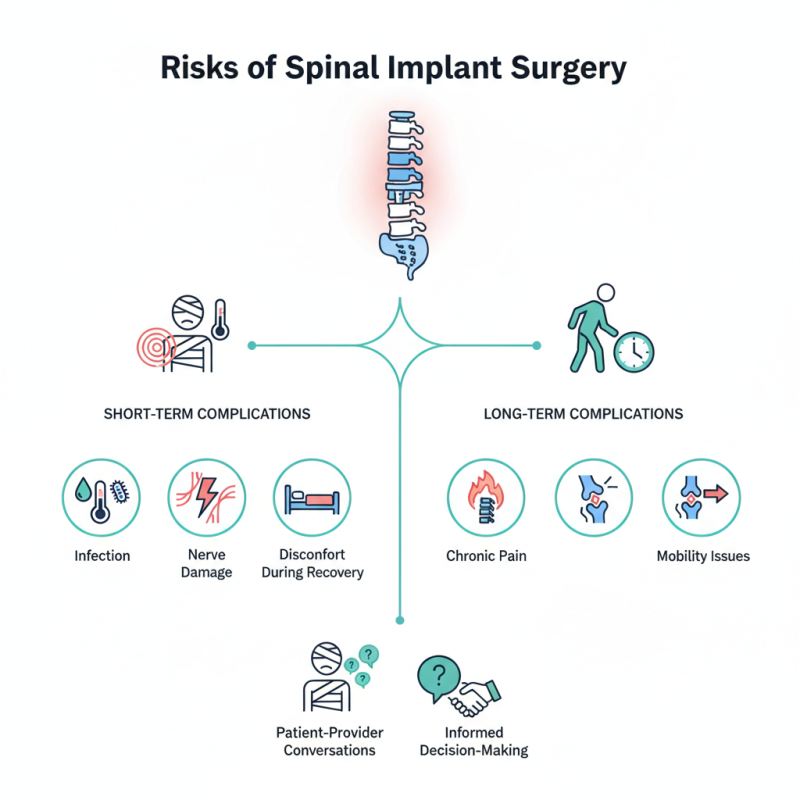
Complications can range from infection to nerve damage. Each risk may vary depending on a patient's health condition and the type of implant used. For example, some patients may experience discomfort during recovery. Others may face longer-lasting complications, including chronic pain or mobility issues.

Awareness of potential problems is vital. Patients often underestimate these risks. Conversations with healthcare providers can help illuminate the realities of surgery. Understanding "What are the risks of spinal implant surgery" empowers patients to take active roles in their treatment, enabling better management of expectations and outcomes.
What are the risks of spinal implant surgery for patients?

Overview of Spinal Implant Surgery and Its Purpose

Spinal implant surgery is a medical procedure aimed at treating various spine-related conditions. Its primary purpose is to stabilize the spine and alleviate pain. This can involve the use of screws, rods, and artificial discs. Surgeons select these implants based on the patient's specific needs and conditions. The goal is to enable patients to resume normal activities and improve quality of life.

Tip: Always consult with a spine specialist before considering surgery. Every patient’s situation is unique. Understanding your diagnosis can lead to better outcomes.

This surgery carries inherent risks. Possible complications include infection, nerve damage, and implant failure. Some patients may also experience ongoing pain post-surgery. The recovery process can be prolonged and difficult. It’s essential to weigh these risks against the potential benefits of surgery.

Tip: Keep open communication with your healthcare team. Discuss your concerns openly. This helps in managing expectations before and after the operation.

Common Risks Associated with Spinal Implant Surgery

Spinal implant surgery can offer relief for many patients suffering from chronic pain and spinal deformities. However, it also comes with significant risks. Infection is a major concern. Surgical sites can become contaminated, leading to serious complications. The risk of infection is especially prevalent in patients with weakened immune systems.

Nerve damage is another serious risk associated with spinal implant surgery. During the procedure, nerves can be inadvertently injured, resulting in pain, weakness, or loss of function. These outcomes can be distressing and frustrating for patients. They may experience longer recovery times than anticipated.

Implant failure is a possibility that cannot be overlooked. Over time, implants may loosen or fail, necessitating additional surgery. This can lead to further complications and extended periods of discomfort. Patients must weigh the potential benefits against these risks carefully. It is crucial for individuals to discuss all concerns with their healthcare provider, understanding that outcomes can vary. Ensuring informed choices is vital for a successful surgical experience.

Potential Complications During the Surgical Procedure

Spinal implant surgery aims to relieve pain and restore mobility. However, risks are inherent in these procedures. One of the main complications can occur during the surgical procedure itself. Bleeding is a significant concern. Surgeons must navigate through delicate structures, which can lead to excessive bleeding. This requires immediate intervention, potentially prolonging the surgery.

Infection is another potential complication. The surgical site can become contaminated, leading to post-operative infections. These infections can delay healing and might require additional surgeries. Proper sterilization techniques are critical, yet they cannot eliminate all risks.

Nerve damage is also a possibility during the surgery. Surgeons are trained to avoid this, but mistakes can happen. Unintended nerve injury can lead to long-term complications, including chronic pain or paralysis. Thus, while spinal implant surgery can offer relief, these risks highlight the need for careful consideration and thorough discussion with a qualified healthcare provider.

Postoperative Risks and Long-term Effects of Implants

Spinal implant surgery carries several postoperative risks that need careful consideration. According to the North American Spine Society, around 10% of patients experience complications after such procedures. These complications can include infection, blood clots, and nerve damage. Infections are particularly concerning, as they can lead to prolonged recovery and additional surgeries. Postoperative surveillance is crucial for early detection of these issues.

Long-term effects of spinal implants are varied and can impact patients significantly. Studies show that nearly 30% of patients report chronic pain after surgery. This pain can arise from the body adapting to the hardware or from surrounding tissue reaction. Another notable concern is the possibility of implant failure, which could lead to further interventions. The rate of revision surgeries for failed spinal implants can be as high as 15% within a few years.

Patients must engage in thorough discussions with healthcare providers. Understanding the potential risks and long-term effects will help guide treatment decisions. While many patients have positive outcomes, realistic expectations are vital. A focus on rehabilitation and lifestyle modifications can mitigate some risks associated with spinal implants. Long-term follow-up can help manage any emerging concerns effectively.

Factors Influencing the Risk Level in Spinal Implant Surgery

Spinal implant surgery can be life-changing, but it carries inherent risks. Various factors can influence these risk levels. Patient health is a key element. Conditions like diabetes or obesity can complicate recovery. Age also matters, as older patients may face higher risks during surgery.

Surgeon experience plays a significant role. A skilled surgeon is essential for minimizing potential complications. Their expertise can lead to better outcomes. Selecting a healthcare facility with a strong reputation is also crucial. Hospitals with advanced technology can manage risks more effectively.

Tip: Always have a thorough consultation with your surgeon. Understanding the procedure and its risks is vital. Don't hesitate to ask questions about your specific case and the expected outcomes.

Pre-operative assessments should be taken seriously. They can reveal underlying health issues that need addressing before surgery. Ensuring you are in optimal health can greatly reduce risks.

Tip: Maintain open communication with your medical team. This will enhance your treatment plan and build trust. Demanding transparency helps in making informed decisions.

Risks of Spinal Implant Surgery

FAQS

: What is spinal implant surgery?

: It’s a medical procedure to treat spine-related issues.

What is the purpose of this surgery?

Its main purpose is to stabilize the spine and reduce pain.

What materials are used in spinal implants?

Common materials include screws, rods, and artificial discs.

What are some risks of spinal implant surgery?

Risks include infection, nerve damage, and implant failure.

Can patients experience pain after surgery?

Yes, some patients may have ongoing pain post-operation.

How important is communication with healthcare providers?

Open communication is essential for managing expectations and addressing concerns.

What might happen if an implant fails?

It can loosen over time, requiring additional surgery and causing more discomfort.

Why should patients consult a spine specialist?

Each case is unique, and understanding one’s diagnosis aids in achieving better outcomes.

Is recovery difficult after spinal implant surgery?

Yes, the recovery process can be prolonged and challenging for many patients.

How do I know if surgery is right for me?

Weigh potential benefits against risks, and consult with a healthcare provider for guidance.

Conclusion

Spinal implant surgery is a procedure aimed at stabilizing the spine and alleviating pain, but it carries various risks that patients should be aware of. Common risks associated with spinal implant surgery include infection, nerve damage, and complications related to anesthesia. During the surgical procedure, potential complications may arise, such as excessive bleeding or improper placement of the implant, which can impact recovery.

Postoperative risks and long-term effects of implants are also crucial for patients to consider, as they may experience chronic pain or implant-related issues. Factors influencing the risk level in spinal implant surgery include the patient's overall health, age, and the complexity of the surgical procedure. Understanding "what are the risks of spinal implant surgery" is essential for patients to make informed decisions about their treatment options.

Henry

Henry

Henry is a dedicated marketing professional with a profound expertise in the company's offerings. With years of experience in the industry, he possesses an impressive understanding of the market dynamics and consumer behaviors that drive success. Henry is committed to sharing his insights through......