Alur Orthopedic Implants
Joint replacement surgery is a significant decision for many individuals suffering from joint pain. According to the American Academy of Orthopaedic Surgeons, over one million joint replacement surgeries are performed annually in the U.S. alone. This statistic highlights the prevalence of joint-related issues. As patients seek answers, they often wonder, "How do I know if I need joint replacement surgery?"
Dr. Emily Chen, a leading orthopedic surgeon, emphasizes, "Persistent pain that limits daily activities is a key indicator for seeking surgical options." This statement resonates with many who endure unending discomfort. Recognizing the signs is essential. Symptoms like joint stiffness, swelling, and decreased range of motion may signal that surgery could be necessary.
Living with joint pain can be frustrating. Patients face challenges doing simple tasks. They may hesitate to consult with professionals. However, understanding if surgery is needed can lead to a better quality of life. Seeking guidance from medical experts is crucial. It opens a pathway toward relief and improved mobility.
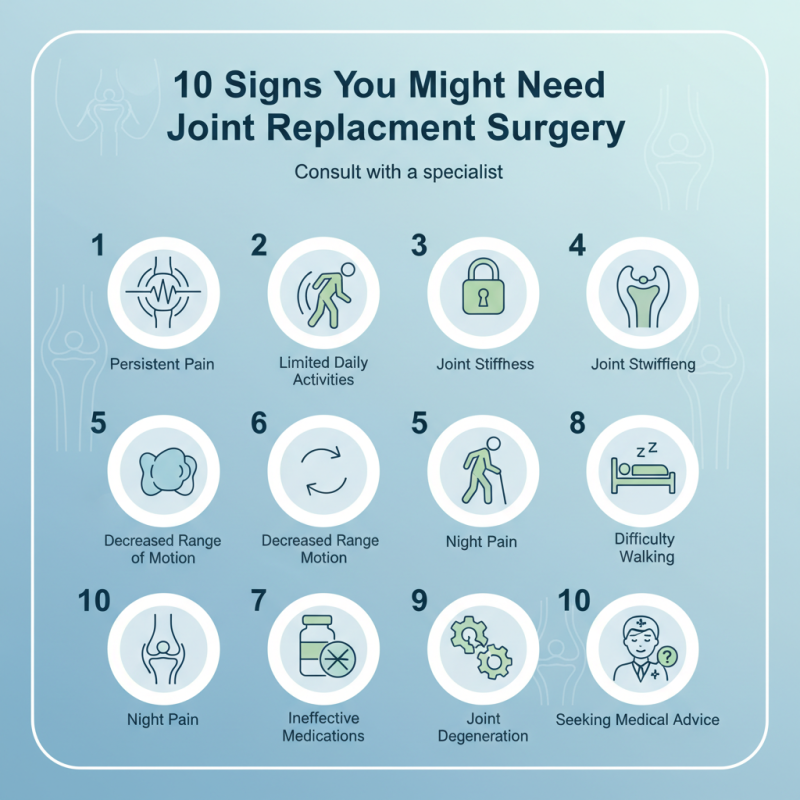
Chronic joint pain can be debilitating. Many people ignore the signs until it impacts daily life. If you find yourself avoiding activities or feeling persistent pain, it might be time to reflect. Swelling, stiffness, and reduced range of motion are common signs. You may also experience joint tenderness, especially after physical activity.
Another red flag is if the pain persists despite treatments. Pain medications may offer some relief, but they may not be a long-term solution. If you notice your joints creaking or grinding during movement, this could indicate worsening conditions. Losing sleep due to joint discomfort is concerning. Rest is vital for healing, yet pain can disrupt it.
Consider your mobility, too. If you struggle with simple tasks, it’s not just annoying; it’s a signal. You shouldn’t be limited in daily routines. Pay attention to how you feel after a day of activity. Increased soreness might mean it’s time to seek medical advice. Life should be more enjoyable, but chronic pain can overshadow it. Reflection on these signs is essential for your health.
Struggling with daily activities is a common sign that you might need joint replacement surgery. Many people experience pain and limited mobility, affecting their quality of life. A recent report by the American Academy of Orthopaedic Surgeons states that nearly 1 in 4 adults over 50 experiences significant joint pain. Simple tasks, like climbing stairs or getting out of a chair, can become overwhelming.
When daily life becomes a challenge, it's vital to listen to your body. If you find yourself avoiding activities you once enjoyed, it may be time to seek medical advice. Many patients delay consultation, fearing surgery. However, early intervention can lead to better outcomes. Your joint pain may not resolve on its own.
Tip: Keep a pain diary to track your symptoms. Note activities that trigger pain and any relief methods that work. Connecting with a physical therapist can also be beneficial. They can provide targeted exercises to improve strength and flexibility, potentially delaying the need for surgery. Remember, small changes can lead to significant improvements in your mobility and daily function.
Persistent swelling and inflammation in affected joints can be a sign that you might need joint replacement surgery. Research indicates that nearly 30% of adults with arthritis experience joint swelling. This condition not only affects mobility but can also lead to chronic pain. If you're noticing swelling that doesn’t subside with rest or traditional treatments, it’s essential to monitor these symptoms closely.
Tip: Keep a daily journal of your joint symptoms. Note details like swelling, pain levels, and any activities that exacerbate discomfort. This information can assist healthcare providers in making informed decisions about your treatment options.
Chronic inflammation can cause joint damage over time. According to the Centers for Disease Control and Prevention (CDC), individuals with persistent inflammation are at higher risk for serious complications. Simple activities like walking or climbing stairs may become difficult. If you find yourself struggling with these tasks, it may indicate an urgent need to evaluate your joint health.
Tip: Gentle exercises, like swimming or biking, may help reduce swelling. Always consult with a healthcare professional before starting any new exercise regime. Addressing these symptoms early can improve your quality of life.
Pain management can be a complex journey, especially for those considering joint replacement surgery. Many individuals rely on over-the-counter medications, but these might not provide sufficient relief. Some people even resort to strong painkillers, thinking they will solve the problem. However, these methods often lead to discomfort or dependency without addressing the underlying issues.
Exploring alternative treatments can be daunting. Physical therapy and exercise can help, but they require commitment. Some patients find temporary relief through acupuncture or massage. Yet, results vary widely among individuals. The effectiveness of these approaches often depends on the severity of the joint damage. Sometimes, people ignore persistent pain, hoping it will fade. This only prolongs suffering and limits mobility.
Living with chronic pain becomes frustrating when nothing seems to work. Seeking guidance from a healthcare professional is crucial. Open discussions about pain levels and treatment options can lead to better strategies. This honest conversation might lead some to consider joint replacement surgery. It’s essential to reflect on personal pain management and seek solutions that resonate with individual experiences.
Joint diseases can significantly impact quality of life. According to a study by the World Health Organization, over 25% of adults over 60 experience joint pain. This pain often affects mobility and daily activities. Tasks like walking, climbing stairs, or even standing can become challenging. Many patients report feelings of frustration and helplessness.
The psychological effects are profound. Pain can lead to depression and anxiety. A report from the Arthritis Foundation states that 40% of individuals with joint issues experience depression. Reduced social interactions often exacerbate feelings of isolation. Simple joys, like walking in the park, may feel out of reach.
Living with chronic joint pain can feel like a burden. Individuals might neglect hobbies and essential activities. Many struggle with insomnia due to discomfort. Such challenges underscore the need for effective treatment options. Joint replacement surgery may offer relief. It's crucial to weigh the potential benefits against risks. Making informed decisions can enhance both physical and mental well-being.
| Sign | Description | Impact on Quality of Life | Effect on Mental Well-being |
|---|---|---|---|
| Chronic Pain | Persistent joint pain that limits daily activities. | Significantly reduces ability to perform everyday tasks. | May lead to feelings of frustration and sadness. |
| Reduced Mobility | Difficulty walking, climbing stairs, or bending. | Limits participation in social and recreational activities. | Can cause isolation and decreased mood. |
| Swelling and Inflammation | Chronic swelling in the joint area. | Can hinder physical activity and mobility. | May contribute to anxiety and stress due to discomfort. |
| Joint Stiffness | Difficulty in moving the joint freely, particularly in the morning. | Limits ability to engage in physical activities. | Can lead to frustration and a negative outlook on life. |
| Grinding or Popping Sensation | A feeling or sound of scraping in the joint during movement. | Indicates joint damage and limits movement. | May induce anxiety about joint stability and health. |
| Failed Non-surgical Treatments | Ineffective pain management through medications and physical therapy. | Continued pain impacts daily functions. | Feelings of hopelessness may develop. |
| Altered Walking Pattern | Changes in how a person walks, often favoring one leg. | Increased risk of falls or injuries. | May increase anxiety about stability and independence. |
| Inflammation or Redness | Visible signs of irritation or redness around the joint. | Can limit movement and create discomfort. | May lead to worry about worsening condition. |
| Age Factor | Older individuals tend to have higher rates of joint degeneration. | Increased risk of mobility limitations. | Can affect overall mental health and well-being. |
| Joint Appearance Changes | Deformities or enlargement of the joint area. | Might signal severe joint damage. | Possible source of embarrassment and stress. |
: Persistent swelling and inflammation in joints are key signs. If swelling doesn’t go away with rest, seek help.
Nearly 30% of adults with arthritis report experiencing joint swelling. Chronic pain may accompany it.
Difficulty with simple tasks like walking or climbing stairs can signal the need for a joint health evaluation.
Gentle exercises, such as swimming or biking, may help. Always consult a healthcare professional first.
Over-the-counter medications may not relieve pain. Strong painkillers can lead to dependency without fixing the root issue.
Chronic pain can lead to feelings of frustration, depression, and anxiety, impacting social interactions and daily life.
A symptom journal helps track swelling and pain levels. This information aids healthcare providers in making treatment decisions.
Alternatives like physical therapy, acupuncture, or massage can provide relief. Results vary for each individual.
Some individuals hope pain will fade on its own. This can prolong suffering and limit mobility significantly.
Joint pain often makes basic tasks challenging, leading to frustration and neglect of favorite hobbies or activities.
When considering your joint health, you might wonder, "How do I know if I need joint replacement surgery?" Key indicators include chronic joint pain that persists despite conservative treatment methods, making daily activities increasingly difficult. If you experience mobility issues or find that your pain management strategies are no longer effective, these could be signs that surgery may be necessary.
Additionally, persistent swelling and inflammation in the affected joints can signal significant underlying issues. The overall impact on your quality of life, including mental well-being, is crucial—if joint pain is hindering your ability to enjoy life fully, it may be time to consult a medical professional about the possibility of joint replacement surgery.
