Alur Orthopedic Implants
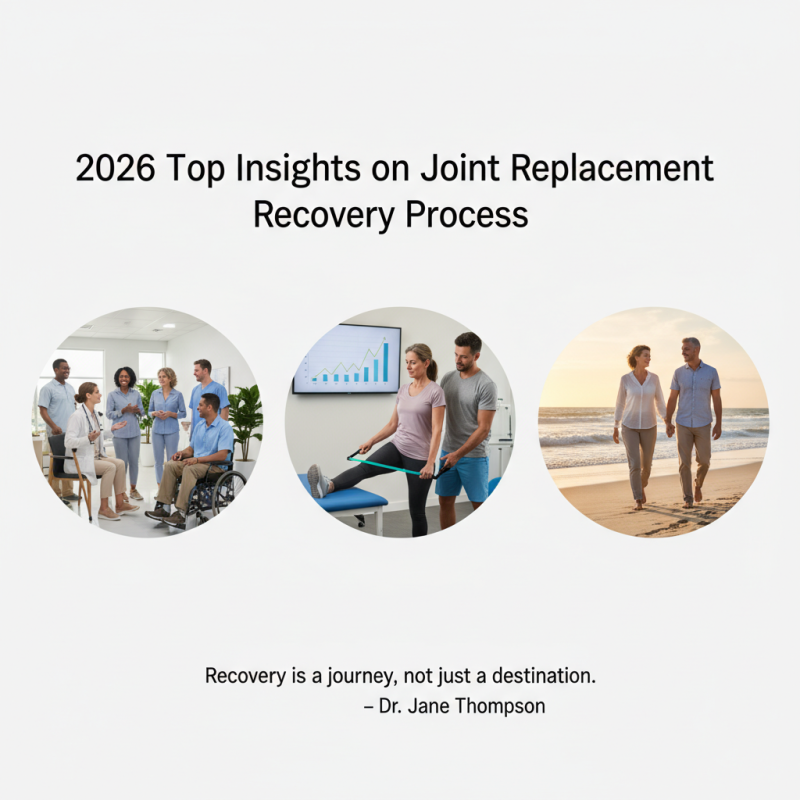
Joint replacement surgery can be life-changing. Yet, many patients wonder, "What is the recovery like for joint replacement?" Dr. Jane Thompson, a leading orthopedic surgeon, emphasizes, "Recovery is a journey, not just a destination." Her insight reflects the complexity of the recovery process.
After surgery, patients face various challenges. Pain management, mobility exercises, and physical therapy are crucial. Each individual's experience varies, often influenced by their overall health and adherence to rehabilitation protocols. Engaging with healthcare providers can create a supportive environment for recovery. However, not all patients respond equally; some may struggle with setbacks, highlighting the importance of patience and resilience.
Education about the recovery timeline helps set realistic expectations. Early stages focus on reducing pain and swelling. Gradually, patients regain strength and function. This journey often requires adjustment and reflection, as many encounter obstacles that test their determination. Understanding these dynamics offers valuable insights for those contemplating joint replacement.
Joint replacement surgery is a critical procedure for individuals suffering from severe joint pain or mobility issues. This surgery often targets the hip, knee, or shoulder joints, aiming to relieve pain and restore function. According to the American Academy of Orthopaedic Surgeons, nearly 1 million knee and hip replacements are performed annually in the United States alone. The Population Health Institute reports that joint replacements can significantly improve the quality of life for patients, as evidenced by a 90% satisfaction rate post-surgery.
The decision to undergo joint replacement often arises when conservative treatments fail. It is essential to weigh the benefits against potential risks, like infection or implant failure. Recovery can be challenging. Patients typically require physical therapy to regain strength and mobility. A study published in the Journal of Bone and Joint Surgery indicates that 20% of patients experience complications during recovery. These statistics highlight the importance of proper pre-operative assessment and post-operative care.
Patients often have questions about the recovery timeline. While some may resume normal activities within weeks, others may take months. Setbacks should be expected, as pain management and mobility progress can vary. A thorough understanding of the procedure and realistic expectations are crucial for a successful recovery. Being informed equips patients to address challenges during the journey towards regaining their independence.
The recovery time after joint replacement surgery can vary significantly based on several key factors. One crucial aspect is the patient’s overall health prior to the operation. Those who engage in regular exercise and maintain a balanced diet may heal faster. On the other hand, individuals with pre-existing conditions could face prolonged recovery periods.
Additionally, age plays a vital role in the healing process. Younger patients often experience quicker recovery times than older adults. However, the physical activity levels and adherence to rehabilitation exercises can make a difference irrespective of age. Pain management strategies also impact recovery. Patients who effectively manage their pain tend to engage more actively in physical therapy.
Finally, emotional well-being cannot be overlooked. Anxiety and depression can hinder recovery. Patients who maintain a positive outlook and good social support typically progress better. It's important to acknowledge that each recovery journey is unique. Understanding these factors can help patients set realistic expectations and focus on their rehabilitation.
Recovering from joint replacement surgery can be challenging. Physical therapy is essential for regaining strength and mobility. Engaging in a structured rehabilitation program can greatly enhance recovery outcomes. Patients should start with gentle exercises to improve flexibility and gradually increase intensity.
Tips: Set realistic goals for each therapy session. Celebrate small victories, like bending your knee a bit more. This boosts motivation and confidence.
In addition to physical therapy, understanding your body’s signals is crucial. Pain and discomfort can be normal but listen to your joints. Overdoing it can lead to setbacks. Incorporating rest days is just as important as exercising.
Tips: Keep a recovery journal. Write down what works and what doesn’t. This helps in adjusting your routine effectively. Seek guidance regularly from your healthcare provider to monitor progress. Through consistent effort and attention to your body’s needs, a full recovery is achievable.
Recovering from joint replacement surgery can be challenging. Pain is often the main concern. Managing discomfort effectively is crucial for a smoother recovery. Understanding what to expect can ease anxiety and help patients prepare.
Medication plays a vital role in pain management. Doctors often prescribe pain relievers tailored to individual needs. It's important to follow the prescribed schedule. However, some patients may face side effects. Keep an open line of communication with your healthcare team. They can adjust medications if needed, ensuring comfort while minimizing risks.
Physical therapy is another critical component of recovery. It can feel painful at times, but it’s essential for regaining strength and mobility. Regular sessions with a skilled therapist can make a big difference. Staying consistent with exercises, even when it’s tough, will aid healing.
Patience is vital. Progress may seem slow, and setbacks can occur. Acknowledging these feelings can help patients manage their emotional state during recovery.
The recovery process after joint replacement is critical for long-term success. Many patients experience relief from pain and improved mobility, yet the journey doesn’t end with surgery. Adjusting to life after a joint replacement involves commitment and adaptability to new routines.
Lifestyle changes play a significant role in achieving optimal outcomes. Incorporating low-impact exercises is vital. Activities such as swimming or cycling can enhance strength and flexibility. It is important to listen to the body and progress at a personal pace, as overdoing it might lead to setbacks. Nutrition also becomes crucial. A balanced diet rich in calcium and protein aids recovery and supports overall joint health.
Emotional and psychological adjustments are equally important. Dealing with the fear of re-injury is common. Some patients may struggle with frustration during rehabilitation. Open communication with healthcare professionals can provide reassurance and guidance. Reflecting on personal experiences and challenges helps build resilience, ultimately leading to a more rewarding recovery journey. Consider keeping a journal to track progress and emotions throughout this transformative time.
| Dimension | Data Point | Impact on Recovery |
|---|---|---|
| Average Time to Full Recovery | 6-12 Months | Longer recovery for older adults and those with comorbidities |
| Physical Therapy Sessions | 2-3 times per week | Critical for regaining mobility and strength |
| Pain Levels Post-Surgery | Reduced by 75% in most cases | Significantly improves quality of life |
| Weight Management Impact | Weight loss improves outcomes by 20% | Better joint function and less strain |
| Adherence to Follow-Up | 80% of patients attend | Increases long-term success rates |
| Lifestyle Adjustments Made | Increased physical activity, dietary changes | Vital for long-term recovery and health |
: It is a procedure to relieve severe joint pain and restore function, typically for hip, knee, or shoulder joints.
It is often considered when conservative treatments fail to alleviate pain or improve mobility.
Potential risks include infection, implant failure, and complications during recovery.
Recovery timelines vary. Some may resume activities in weeks, while others take months due to individual healing speeds.
It is essential for regaining strength and mobility. A structured program enhances recovery outcomes significantly.
Pain can be normal. Communicate with your healthcare team for proper pain management and adjustments to medications if necessary.
Set realistic goals and celebrate small victories, like improved flexibility. This boosts motivation and confidence.
Yes, incorporating rest days is crucial. Overexerting can lead to setbacks in the recovery process.
It’s a tool to track what exercises work or don’t, aiding in adjusting routines effectively during rehabilitation.
Acknowledge feelings of frustration or slow progress. Understanding these emotions can help maintain a positive outlook.
The recovery process following joint replacement surgery is crucial for restoring mobility and quality of life. Individuals often wonder, "What is the recovery like for joint replacement?" The timeline for recovery can vary significantly based on several factors, including the patient's overall health, age, and adherence to rehabilitation guidelines. Essential elements affecting recovery time include the type of joint replaced, pre-existing conditions, and the patient’s commitment to physical therapy.
Physical therapy plays a vital role in the rehabilitation process, with targeted exercises designed to improve strength and flexibility. Additionally, managing pain and discomfort through medication and alternative techniques is important for a smoother recovery experience. As patients progress, lifestyle adjustments and long-term outcomes can lead to enhanced daily functioning and well-being. In summary, a well-structured recovery plan, characterized by proactive physical therapy and effective pain management, significantly contributes to a successful joint replacement recovery.
