Alur Orthopedic Implants
The longevity of orthopedic implants can greatly influence patient outcomes. Many factors contribute to implant lifespan, but weight is a critical element. How does weight affect orthopedic implant life? This question is increasingly relevant as populations become heavier and undergo more joint replacement procedures.
Research indicates that increased body weight places additional stress on implants. This stress can lead to accelerated wear and potential failure of the device. Heavier patients may experience different levels of implant stability. Studies show that heavier individuals often have higher complication rates after surgery. These complications can significantly shorten the effective life of orthopedic devices.
Moreover, the materials used in implants must withstand these pressures. Manufacturers are continually refining their designs to enhance durability. However, the interplay between weight and implant life remains complex. Individual variations can complicate predictability. A thorough understanding of weight’s impact is crucial for surgeons when advising patients. It may raise questions about appropriate weight management during the recovery process. This evolving insight into weight and orthopedic implant survival will shape future orthopedic practices.
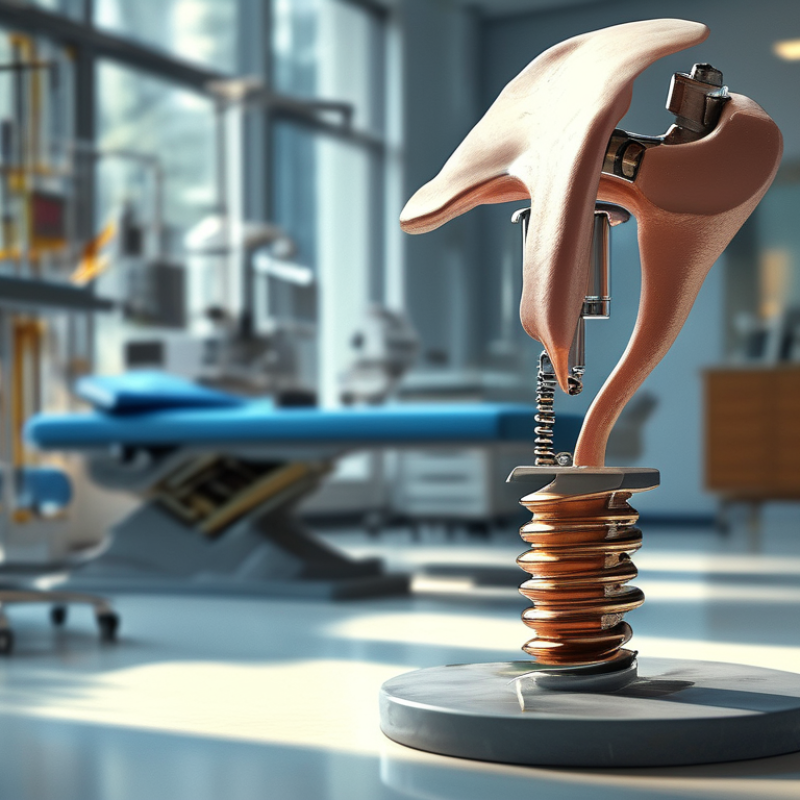
The lifespan of orthopedic implants is influenced by various critical factors. Weight is a significant consideration that can affect the durability of these devices. For instance, research indicates that increased body weight can elevate the stress on implants, leading to premature failure. A study published in the Journal of Orthopaedic Research found that heavier patients face a 30% higher likelihood of implant loosening within ten years.
Material composition also plays a crucial role in implant longevity. Metals like titanium and cobalt-chromium alloys are commonly used for their strength and biocompatibility. However, even the best materials can suffer fatigue over time. For example, the FDA reports that nearly 10% of hip replacements require revision surgery within a decade. This statistic highlights the importance of choosing the right materials for each individual case.
Surgical technique and post-operative care are equally important factors. The precision of implant placement can impact how the device bears weight during normal activities. Additionally, weight management post-surgery can enhance implant lifespan. Patients are often advised to maintain a healthy weight to reduce stress on these implants. Failure to do so can result in complications, leading to unnecessary risks and additional surgeries. This multifactorial approach underscores the complexity of ensuring orthopedic implant longevity.
Body weight plays a crucial role in the lifespan of orthopedic implants. Higher body weight increases the stress on these devices, especially in weight-bearing joints. This added stress can lead to accelerated wear and potential failure. Implants are designed to handle a specific load. When that load exceeds their capacity, complications may arise.
For instance, patients with obesity face increased mechanical loads on joint replacements. The forces during daily activities can intensify, diminishing the implant's longevity. This scenario raises concerns about how weight management could extend the lifespan of these devices. Observations suggest that weight reduction could positively impact joint stress and overall success.
However, weight is just one factor. Other elements, like activity level and age, also influence implant durability. The complex interplay between these variables complicates predictions. Not every heavy patient will experience implant failure, but the risk increases with excess weight. Ongoing research aims to clarify these relationships and improve patient outcomes. Adjustments in lifestyle can be beneficial. It's essential to seek expert advice tailored to individual needs.
| Body Weight (kg) | Average Lifespan of Implant (years) | Implant Stress (MPa) | Complication Rate (%) |
|---|---|---|---|
| 50 | 15 | 100 | 5 |
| 70 | 12 | 120 | 8 |
| 90 | 9 | 150 | 12 |
| 110 | 7 | 180 | 15 |
| 130 | 5 | 210 | 20 |
The mechanical properties of orthopedic implants play a crucial role in their longevity and effectiveness under varying weight loads. Studies show that increased body weight can induce higher stress on implants. According to a report by the American Academy of Orthopaedic Surgeons, individuals with a BMI over 30 experience a 50% higher failure rate of hip implants compared to those with normal weight. This correlation highlights the importance of understanding how weight impacts these devices.
When weight loads fluctuate, the materials used in implants, such as titanium and cobalt-chromium, must withstand significant forces. Research indicates that fatigue strength varies with load conditions, affecting the material's durability. For instance, under a sustained load of 500 N, fatigue life can reduce substantially. Engineers must consider these factors when designing implants to optimize their resistance to wear and fracture, reflecting the complex interaction between human physiology and implant technology.
This topic deserves more attention. Current designs may not adequately cater to heavier patients. As the obesity rate rises, the need for innovative solutions grows. Custom implants tailored to individual weight profiles could enhance outcomes. However, challenges persist in material science and biomechanics. Addressing these gaps is imperative for improving patient care and implant longevity.
Weight significantly influences the wear and tear of orthopedic devices. A study published in the Journal of Orthopedic Research noted that increased patient weight can lead to accelerated implant degradation. Larger loads can result in higher frictional forces, causing greater material loss over time. In essence, heavier patients often experience shorter lifespans for their implants.
Research indicates that each additional pound can increase the stress on knee implants by approximately 3 to 5 pounds. This added stress contributes to micro-damage, which can lead to implant failure. In one analysis, nearly 40% of individuals with obesity experienced implant-related complications within five years post-surgery. Patients often overlook the importance of maintaining a healthy weight after surgery. This oversight may lead them to face revision surgeries sooner than expected.
Furthermore, not all devices respond equally to weight challenges. Some materials may wear faster due to design limitations. For instance, polyethylene is more prone to wear than metal counterparts under heavy loads. This leads to questions about the best material choices for different weight categories. A thoughtful approach to patient weight can enhance implant longevity and overall satisfaction.
Weight significantly affects the lifespan of orthopedic implants. Heavier patients often face higher stress on these implants. Studies indicate that implants in overweight individuals may wear out faster due to greater mechanical loading. The American Academy of Orthopaedic Surgeons reports that obesity can lead to earlier implant failure.
To enhance implant longevity in heavier patients, surgeons can employ strategic approaches. Optimizing surgical techniques is crucial. Minimally invasive procedures may reduce trauma and improve healing. Additionally, using stronger materials and designs can withstand increased loads. Research highlights the promise of modular implant systems tailored for heavier patients.
Tips: Regular follow-up appointments are vital. Monitoring implant condition can help catch issues early. Weight management through diet and exercise is equally important. Maintaining a healthy weight can reduce stress on implants, aiding longevity. Engaging in low-impact activities helps preserve joint function and minimizes wear on implants.
: Key factors include patient weight, material composition, surgical techniques, and post-operative care.
Increased body weight can elevate stress on implants, leading to a higher failure rate.
Common materials include titanium and cobalt-chromium alloys, known for strength and biocompatibility.
Yes, heavier patients face higher risks, with a 30% greater chance of implant loosening.
Precise implant placement is crucial; it affects weight distribution and stress on the device.
Using stronger materials, optimizing surgical techniques, and weight management can enhance outcomes.
Regular check-ups help monitor implant conditions and catch potential issues early.
Yes, maintaining a healthy weight and engaging in low-impact activities can reduce stress on implants.
Current designs may not adequately support heavier individuals, highlighting a need for innovation.
Fluctuating loads can reduce fatigue strength, affecting the material's durability over time.
The article "How Does Weight Impact the Lifespan of Orthopedic Implants?" delves into several key factors influencing the longevity of orthopedic implants. It begins by examining the relationship between body weight and the stress exerted on implants, highlighting how increased weight can lead to greater mechanical strain. The discussion then shifts to the mechanical properties of implants when subjected to various weight loads, illustrating the challenges faced in maintaining implant integrity under higher stress conditions.
Furthermore, the article addresses the impact of weight on the wear and tear of orthopedic devices, emphasizing that heavier patients may experience faster degradation of implants over time. It concludes with strategies aimed at enhancing implant longevity for patients with higher body weight, underscoring the importance of tailored approaches in orthopedic care. Overall, the article effectively answers the question, "How does weight affect orthopedic implant life?" by providing insight into the complexities surrounding weight and its implications for implant durability.
