Alur Orthopedic Implants Alur Orthopedic Implants

Why Do Dental Implants Last Longer With Proper Care?

Time:2026-11-23 Author:Ethan
0%

A dental implant can feel remarkably like a natural tooth. Yet its titanium post cannot decay, while the gum and bone around it still need protection. Plaque can collect at the gumline, and inflammation may threaten the tissues supporting the implant. Small habits matter. Gentle brushing, daily cleaning between teeth, and regular dental checkups help your care team spot problems early.

Dental educator and prosthodontist Dr. Gordon Christensen has described implant dentistry as a major advance. A practical takeaway—not a verbatim quote—is that advanced treatment still needs consistent maintenance. So, “How can I make my implants last longer” is more than a search query; it is a useful question to discuss with your dentist. Ask which brush, floss, or interdental cleaner suits your implant and gum health. Avoid using sharp tools around the implant, and do not ignore bleeding, swelling, or a change in how your bite feels. These signs do not always mean the implant is failing, but they deserve professional attention. Even careful routines can miss something. Follow-up visits help assess areas you cannot see at home, while your dentist can tailor advice to your medical history and implant restoration. Proper care cannot promise a lifetime result, but it can support healthier tissues and give your implant a better chance of lasting.
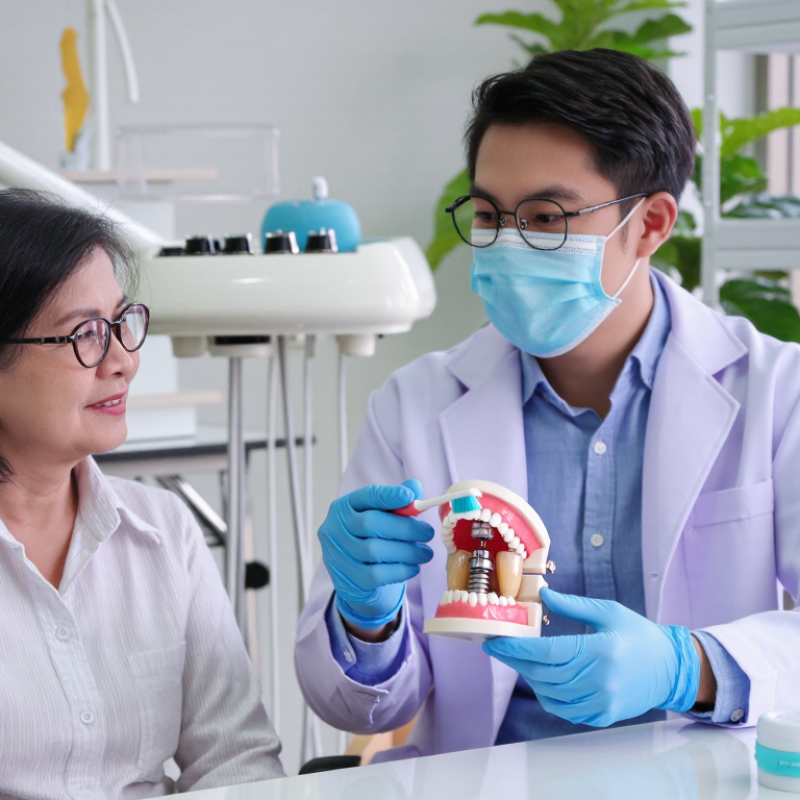
Why Do Dental Implants Last Longer With Proper Care?

How Dental Implants Function and What Determines Their Lifespan

A dental implant is not one solid, artificial tooth. A small post sits in the jawbone, where bone gradually bonds with its surface. This process, called osseointegration, helps anchor the restoration. A connector then supports the visible crown, which is shaped to meet neighboring teeth.

The crown handles chewing, but the gum and bone around the implant remain living tissue. That matters. Plaque can irritate the gums and, over time, damage supporting bone. Brushing twice daily, cleaning between teeth, and regular dental checkups help catch inflammation before it becomes harder to manage. Your dentist may suggest special brushes or floss based on the implant’s position.

Lifespan depends on more than the implant material. Bone health, gum condition, bite pressure, smoking, and conditions such as poorly controlled diabetes can affect stability. Grinding may also place extra force on the crown or its components. A tiny looseness or a change in how your teeth meet deserves attention, even if there is no pain. Care cannot guarantee a lifelong result, and people sometimes miss a cleaning when life gets busy. Returning to a steady routine still makes a practical difference.

How Daily Oral Hygiene Protects Implants and Surrounding Tissue

Why Do Dental Implants Last Longer With Proper Care?

How Daily Oral Hygiene Protects Implants and Surrounding Tissue

An implant cannot develop tooth decay, but plaque can still irritate the gums around it. If inflammation is ignored, the supporting tissue and bone may be affected. Daily cleaning helps keep plaque from building up along the gumline and around the implant crown. Use a soft-bristled toothbrush and gentle pressure. Small, careful movements matter more than scrubbing hard. No routine is perfect; a rushed evening happens. Return to your usual care the next day.

Tips: Brush twice daily, including where the crown meets the gum. Clean between teeth and implants with floss or an interdental brush recommended by your dental professional. These spaces can be easy to miss. Ask your dentist or hygienist to demonstrate a suitable technique, especially if the area feels awkward to reach.

Watch for persistent redness, swelling, bleeding, tenderness, or a change in how the implant feels. These signs do not prove there is a problem, but they deserve professional attention. Regular dental checkups let clinicians assess the gums, implant stability, and cleaning needs. Home care is essential, but it cannot replace those visits.

How Professional Checkups Help Detect Implant Problems Early

An implant can feel perfectly normal while subtle changes develop around it. That is why professional checkups matter, even when there is no pain.

A dental professional may examine the gums for redness, swelling, bleeding, or changes in the tissue around the implant. They can also assess the crown, bite, and nearby teeth. Small clues count. Depending on your history and findings, dental imaging may help assess the supporting bone; it is not automatically needed at every visit.

These checks can reveal inflammation around an implant, changes in bone support, or a crown that has loosened before the problem becomes more difficult to manage. Your dentist may recommend cleaning methods suited to your implant and review habits that put extra pressure on it, such as clenching.

It is easy to postpone a visit when nothing hurts. That reasoning is understandable, but not always reliable. A checkup cannot prevent every complication, and daily brushing and cleaning between teeth still matter.

If you notice bleeding, swelling, discomfort, or a change in how your teeth meet, contact your dental professional rather than waiting for your next routine appointment.

How Lifestyle Choices Affect Implant Longevity

An implant’s lifespan is shaped by daily habits, not just the surgery. Smoking is a clear concern. A 2015 systematic review and meta-analysis by Chrcanovic and colleagues found smokers had 2.23 times the odds of implant failure compared with non-smokers. This is a relative measure, not a personal prediction. Still, it gives patients a practical reason to discuss tobacco use with their dental team. Small habits matter.

Cleaning around an implant takes care: brush gently along the gumline and use an interdental brush where your clinician recommends. The 2017 World Workshop consensus report found peri-implantitis estimates ranging from 1% to 47% across studies, partly because definitions and follow-up periods differed. That wide range is a reminder that one statistic cannot describe every patient. The European Federation of Periodontology’s 2023 guideline supports regular professional maintenance and attention to risk factors. Diabetes control also matters; patients with diabetes should share their health history and treatment changes with their dentist. Not a guarantee. Even careful people can develop inflammation, so report bleeding, swelling, or a persistent bad taste instead of waiting for pain.

Why Do Dental Implants Last Longer With Proper Care?

How Lifestyle Choices Affect Implant Longevity

A systematic review found that smokers had 2.23 times the odds of implant failure compared with non-smokers. This is a relative odds comparison—not a prediction that an individual smoker’s implant is 2.23 times as likely to fail. Avoiding tobacco, keeping up daily oral hygiene, and attending regular dental checkups can help support implant health.

Source: Chrcanovic et al., “Impact of smoking on dental implants: a systematic review and meta-analysis,” Journal of Dentistry, 2015. Pooled odds ratio for smokers: 2.23 (95% CI: 1.96–2.53).

Common Signs of Implant Complications and When to Seek Care

Mild tenderness or slight bruising can occur after implant surgery and should gradually improve. New or worsening pain deserves attention, especially months or years later. A healthy implant should feel stable; movement in the implant or its crown is a warning sign. Do not pull at it.

Watch for red, swollen gums, bleeding that keeps returning, pus, or a persistent unpleasant taste or smell near the implant. Gum recession or metal becoming visible can also signal a problem. These signs do not confirm implant failure, but they warrant a dental assessment. Contact your dentist promptly rather than waiting for a routine checkup, and describe when symptoms began and whether they are changing.

Seek urgent care if swelling spreads quickly, you develop a fever, or you have trouble swallowing or breathing. Until a dentist evaluates the area, keep brushing gently with a soft toothbrush and avoid chewing hard foods on that side. A loose crown may need different treatment from a problem with the implant itself, so an examination and imaging may be needed to identify the cause. Pain can be absent even when an issue is developing.

Why Do Dental Implants Last Longer With Proper Care? - Common Signs of Implant Complications and When to Seek Care
Concern or Care Factor Common Signs or Facts Recommended Response How Proper Care Helps
Healthy implant tissues Healthy gum tissue around an implant is generally comfortable and does not bleed persistently during gentle brushing. Brush twice daily with a soft-bristled toothbrush and clean between teeth and around the implant every day. Daily plaque removal helps reduce inflammation around the implant and supports the surrounding gums and bone.
Peri-implant mucositis Redness, tenderness, or bleeding around the implant may indicate inflammation of the surrounding gum tissue. Arrange a dental assessment, especially if symptoms continue or recur. Do not stop cleaning the area; use a gentle technique. Early professional care and improved cleaning may help control gum inflammation before it affects supporting bone.
Possible peri-implantitis Persistent swelling or bleeding, pus, increasing discomfort, or gum recession can be warning signs. Bone changes may not be visible without dental imaging. Contact a dentist or implant clinician promptly for an examination. Seek urgent advice if symptoms worsen or are accompanied by fever. Regular examinations allow a dental professional to assess tissue health and identify problems that may not be obvious at home.
Loose implant crown or parts A crown, bridge, or screw may feel loose, shift, or make a clicking sensation. This does not necessarily mean the implant itself has failed. Arrange prompt dental care. Avoid chewing hard or sticky foods on that side, and do not try to tighten or glue the part yourself. Professional assessment can identify whether the issue involves the restoration, a component, or the implant and help prevent further damage.
Persistent pain or swelling Discomfort that is new, worsening, or does not settle after healing needs attention, particularly with swelling, drainage, or fever. Contact a dental professional promptly. Seek emergency medical care for difficulty breathing or swallowing, or rapidly spreading swelling. Timely evaluation can help identify infection, bite-related stress, or another cause and guide appropriate treatment.
Professional maintenance Implants need ongoing checks even when they feel normal. Visit frequency depends on oral health, implant history, and individual risk factors. Keep the review schedule recommended by your dental team and report changes in comfort, fit, or appearance. Examinations and professional cleaning help monitor the implant, restoration, gums, and supporting bone over time.
Smoking and general health Smoking and some health conditions can affect healing and gum health; individual risks vary. Tell your dental team about smoking, medications, and relevant health conditions. Ask for personalized advice on reducing risk. Addressing contributing factors can support healing and help protect the tissues around the implant.
Realistic expectations Implant fixtures are not susceptible to tooth decay, but the gums, supporting bone, and attached replacement teeth can still develop problems. Continue daily cleaning and routine dental care even if the implant feels comfortable. Good care can help extend service life, but no implant or restoration is guaranteed to last for a specific number of years.

Note: This information is general and cannot diagnose an implant problem. Contact a dental professional for persistent or worsening symptoms; seek emergency care for difficulty breathing or swallowing.

FAQS

What are the main parts of a dental implant?

A small post sits in the jawbone. Bone gradually bonds with it. A connector supports the visible crown.

Can an implant develop tooth decay?

The implant cannot decay like a natural tooth. Plaque can still irritate nearby gums and affect supporting bone. That part matters.

How should I clean around an implant?

Brush twice daily with a soft-bristled toothbrush and gentle pressure. Clean between teeth and implants, too. Small movements matter.

What tools can help clean hard-to-reach areas?

Floss or an interdental brush may help. Ask a dental professional to show you a suitable technique for your implant’s position.

What changes around an implant should I watch for?

Persistent redness, swelling, bleeding, tenderness, or a changed bite deserve attention. These signs do not prove a problem. Get them checked.

Why have checkups if my implant feels fine?

Subtle changes may develop without pain. A professional can examine the gums, crown, bite, and implant stability. It is easy to postpone a visit, but that may not be wise.

Does every checkup require dental imaging?

No. Imaging may help assess supporting bone, depending on your history and examination. It is not automatically needed at every visit.

What can affect how long an implant lasts?

Bone and gum health, bite pressure, smoking, and poorly controlled diabetes can affect stability. Grinding may add force to the crown or its parts.

Can careful cleaning guarantee an implant lasts for life?

No care routine guarantees a lifelong result. Brushing, cleaning between teeth, and regular checkups still make a practical difference. Missed cleanings happen; return to your routine.

Conclusion

Dental implants are designed to replace missing teeth by anchoring a restoration to the jawbone, but their long-term success depends on the health of both the implant and the surrounding tissues. Consistent brushing, careful cleaning between teeth, and attention to the gumline help limit plaque buildup and reduce the risk of inflammation. Regular dental checkups also allow a professional to assess the implant, gums, and bite, so potential concerns can be addressed before they become more serious.

How can I make my implants last longer? Practise daily oral hygiene, keep scheduled checkups, and make lifestyle choices that support oral health. Avoid habits that place excessive pressure on the implant, and discuss smoking, teeth grinding, or other relevant concerns with a dental professional. Persistent soreness, swelling, bleeding, looseness, or changes in how the implant feels or functions may signal a complication. Seeking care promptly can help identify the cause and protect the implant and surrounding tissue.

Ethan

Ethan

Ethan is a seasoned marketing professional with a deep expertise in our company's innovative product line. With a passion for sharing knowledge and insights, he takes the lead in regularly updating our corporate blog, where he explores industry trends, product features, and effective marketing......