Alur Orthopedic Implants
Alur Orthopedic Implants
Alur Orthopedic Implants
High-precision orthopedic systems, custom structures, and premium joint replacement implants designed for clinical success and rapid biological fixation.
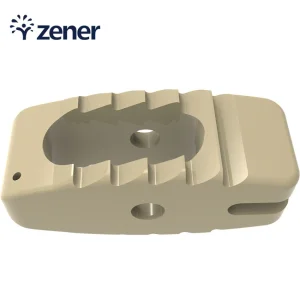
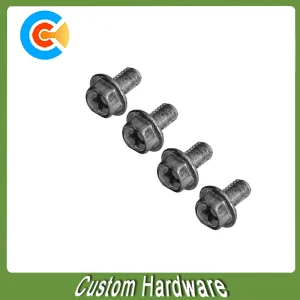
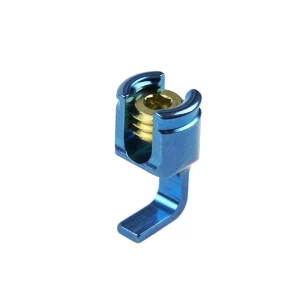
Providing world-class medical implants backed by robust R&D, clinical validation, and highly specialized intellectual property.
Year Founded
Exp. Countries
Top-tier Teaching Hospitals
IP & Patent Certifications
Global Active Agents
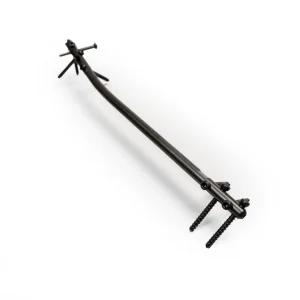
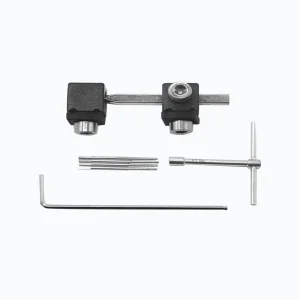
Our strategy focuses on "Blue Ocean, Differentiation, and Focus Strategy," with a particular emphasis on limb orthopedics, pediatric orthopedics, and foot/ankle surgery. Our patent portfolio includes 27 national utility model patents, 6 invention patents, and 2 software copyrights, covering 8,000+ specifications in trauma, spine, and surgical instruments.
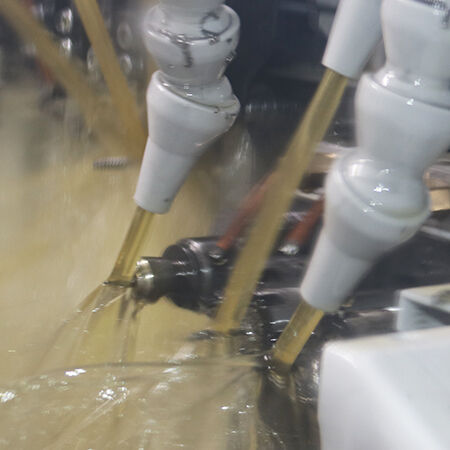
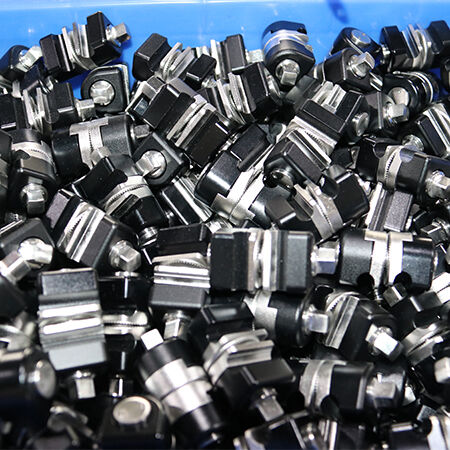
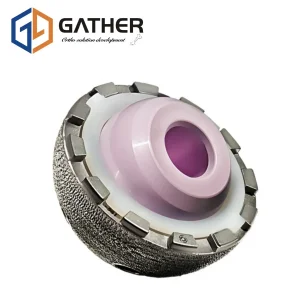
Cementless implants (also referred to as press-fit implants) represent the state of the art in orthopedic joint arthroplasty, trauma, and spinal revision surgery. Unlike cemented implants, which rely on polymethyl methacrylate (PMMA) bone cement to form a mechanical lock between the bone and prosthesis, cementless systems utilize biological fixation. The surface of the implant is engineered to allow host bone tissue to grow directly onto (osseointegration) or into (osseeoconduction) the structure.
Biological fixation relies heavily on surface engineering. Leading manufacturers utilize high-purity medical metals, primarily Titanium Alloy (Ti-6Al-4V ELI / ASTM F136), because of its superior biocompatibility, low modulus of elasticity (reducing stress shielding), and excellent fatigue resistance. To encourage rapid osseointegration, surfaces are treated using techniques such as:
The global shift toward cementless implants is accelerated by macroeconomic factors in healthcare delivery. In developed markets, the rise of Ambulatory Surgery Centers (ASCs) and outpatient joint replacement pathways demands faster surgical times, fewer instrument trays, and long-term implant survival. By eliminating the preparation, curing, and cleaning stages associated with bone cement, cementless arthroplasty saves significant operating room time—yielding direct cost savings for hospitals.
Furthermore, clinical datasets demonstrate that cementless fixation drastically reduces the risk of "cement disease" (aseptic loosening caused by cement fragmentation) and facilitates easier revision surgeries when required. For healthcare systems transitioning to value-based care, selecting durable cementless implants translates to lower readmission rates and superior patient-reported outcome measures (PROMs).
When international orthopedic distributors and medical device OEMs qualify an overseas manufacturer for cementless implants, they must perform an exhaustive risk-assessment matrix. Top checklist criteria include:
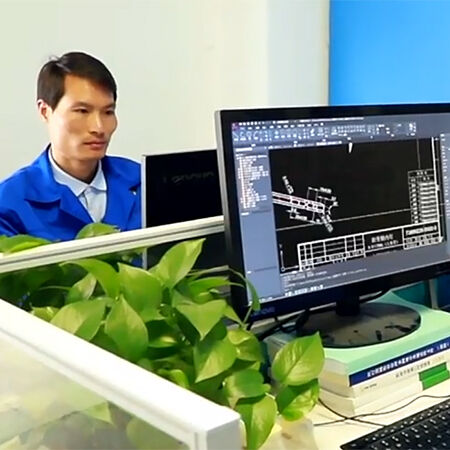
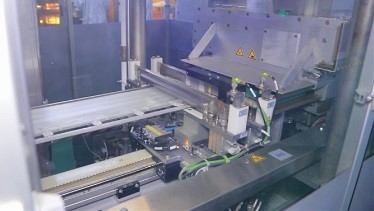
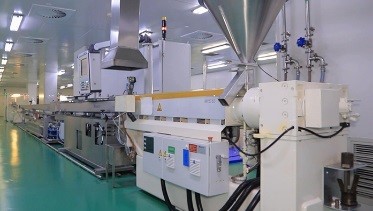
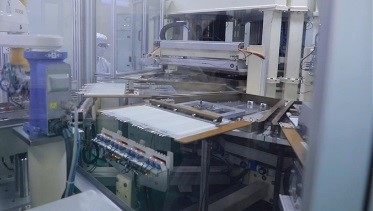
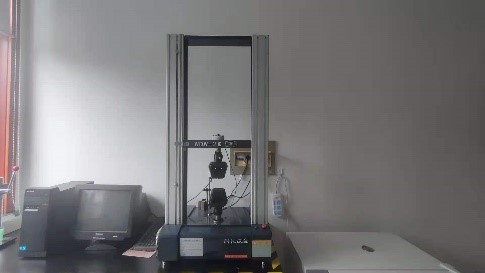
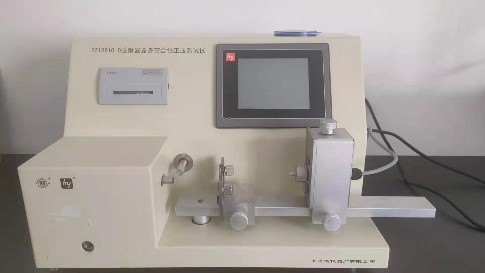
Integrating computerized production control, robust material slitting, advanced extrusion testing, and validation technologies under one roof.
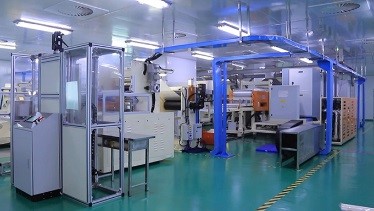
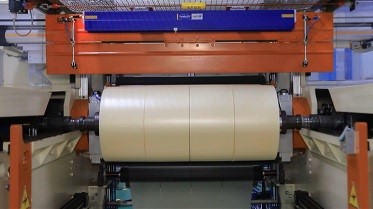
The next generation of cementless implants focuses on biological customization and active infection prevention. As clinical demands grow, manufacturing research concentrates on three core innovation domains:
1. Additive Manufacturing and AI Customization: Advanced CT-to-CAD translation algorithms allow manufacturers to customize trabecular structures to match the bone density profile of specific patients. By adjusting the porosity gradient through SLM (Selective Laser Melting) printing, stress-shielding effects can be reduced to near-zero levels, preventing late aseptic bone loss.
2. Smart Bio-active Coatings: Research is shifting from static hydroxyapatite coatings toward active bio-coatings. Implants are being loaded with localized drug-delivery polymers that slowly release antimicrobial agents or bone morphogenetic proteins (BMPs) to stimulate faster skeletal healing in compromised patients.
3. Integrated Implant Sensor Arrays: Incorporating passive RFID or MEMS micro-sensors inside hollow-structured intramedullary nails or knee components enables post-operative detection of micro-motion, local temperature changes (indicative of early infection), and weight-bearing progress. This facilitates proactive clinical intervention.
Exporting orthopedic products to over 32 countries (including highly regulated markets in South America like Brazil, Colombia, and Peru, as well as North Africa, Egypt, and Morocco) requires strict compliance with diverse regulatory frameworks. Effective manufacturers must maintain dedicated regulatory affairs teams to provide overseas distributors with technical data packets including cytocompatibility certifications, mechanical fatigue trial reports (ISO 7206 / ASTM F2009), and sterilization validations. Fast registration pathways depend on the manufacturer's ability to maintain high quality standards across their entire production workflow.
Manufacturers perform multiple mechanical verification tests. Dynamic fatigue testing (ASTM F2009 for joint replacements) simulates millions of loading cycles under high stress. Tension and shear testing evaluate the bonding strength between the porous coating and the base titanium substrate, ensuring no coating delamination occurs during surgical insertion.
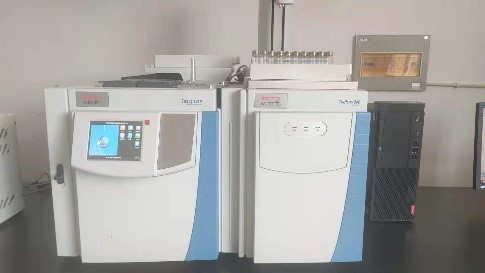
Gas chromatography is used to monitor residual manufacturing solvents, polishing chemicals, or processing oils on the implant surface before sterile packaging. Keeping these chemicals below trace levels ensures zero cytotoxicity and minimizes the risk of sterile inflammatory responses in patients.
Grade 23 Titanium is an Extra Low Interstitial version of standard Ti-6Al-4V. It contains reduced levels of oxygen, nitrogen, and iron. This chemical adjustment provides superior fracture toughness and fatigue strength, making it the industry standard for orthopedic trauma nails and joint prostheses.
Exported joint prostheses are typically double-packaged in rigid PETG or Tyvek blisters and sterilized via Gamma Irradiation or Ethylene Oxide (EtO). This packaging system ensures a minimum sterile shelf life of 5 years, protecting the bioactive surfaces from environmental contamination during transport.
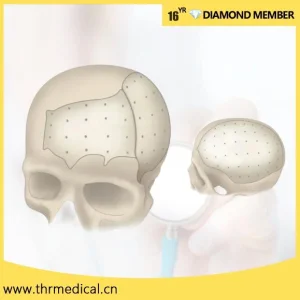
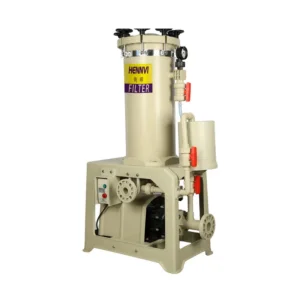
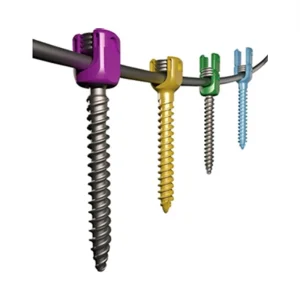
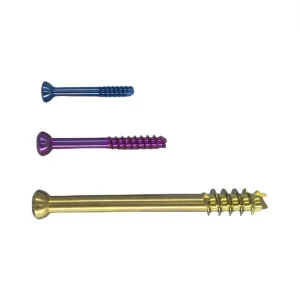
Further components including specialized spinal cages, maxillofacial systems, corrosion-resistant recyclers, and precision cannulated screws.