Alur Orthopedic Implants
Alur Orthopedic Implants
Alur Orthopedic Implants
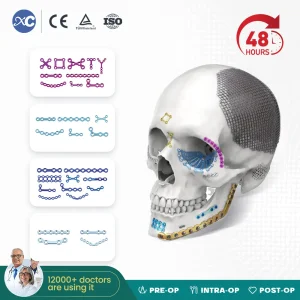
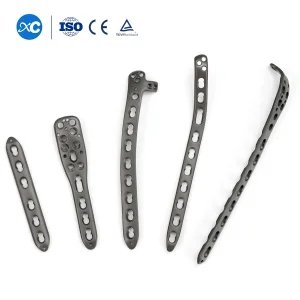
High-precision titanium and PEEK cranial reconstruction systems designed for complex maxillofacial and neurosurgery trauma cases.
In the modern medical landscape, neurosurgery has shifted from basic structural repair to high-precision aesthetic and functional restoration. Cranial plates, historically made from rigid metals, have evolved into biocompatible masterpieces. Global industrial trends show a significant rise in the demand for cranial plates that offer not only protection but also osseointegration and minimal interference with diagnostic imaging like MRI and CT scans.
China has emerged as a powerhouse in this sector, moving beyond "low-cost manufacturing" to "intelligent precision engineering." Leading Chinese factories now utilize Grade 5 Titanium and medical-grade PEEK (Polyether ether ketone) to meet the rigorous standards of hospitals in Europe, North America, and emerging markets. These suppliers integrate 3D printing technology with CT imaging data to create implants that fit a patient's unique skull geometry with sub-millimeter accuracy.
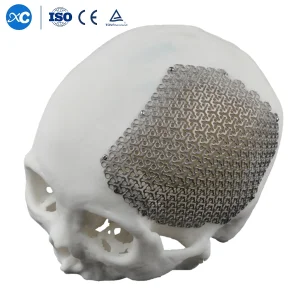
Understanding the shift from generic mesh to Patient-Specific Implants (PSI) in neurosurgery.
Modern neurosurgeons demand materials that minimize the risk of infection. Titanium mesh remains the gold standard for its strength-to-weight ratio, while PEEK is gaining traction for its "bone-like" elasticity and radiolucency.
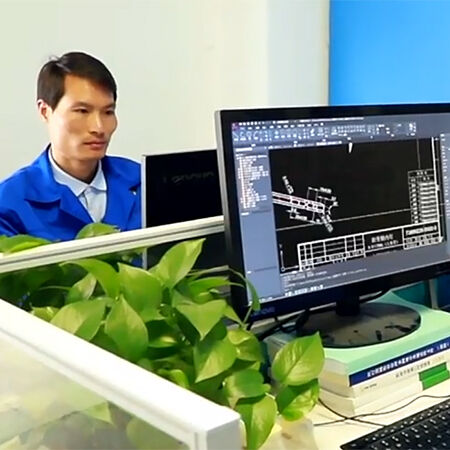
The procurement process now involves DICOM file transfers. Suppliers must have in-house software engineers to transform medical scans into 3D-printable files, ensuring the cranial plate fits the defect perfectly without intraoperative bending.
For global procurement, ISO 13485 and CE certification are non-negotiable. Top Chinese suppliers have invested millions in cleanroom facilities and quality control systems to match the safety profiles of western competitors.
Hospital groups and medical device distributors worldwide are looking for more than just a product; they seek a supply chain partner. In regions like Southeast Asia, Latin America, and the Middle East, the focus is on balancing premium quality with cost-efficiency. This is where Chinese factories excel, offering high-performance implants at a fraction of the cost of traditional European or American brands, without compromising on surgical outcomes.
Localized application scenarios often involve trauma centers in urban hubs where rapid turnaround is vital. A supplier's ability to manufacture and ship a custom cranial plate within 7-10 days is a game-changer for patient recovery times.
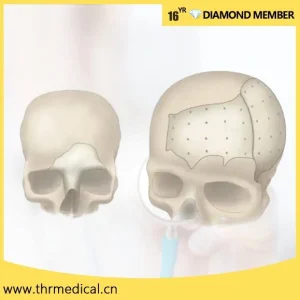
A decade of excellence in orthopedic and neurosurgical implant manufacturing.

Year Founded

Exp. Countries

Top-tier Hospitals

Intellectual Property

Global Agents
Our company places great importance on scientific and technological innovation, as well as new product research and development. We operate under a strategy of "blue ocean differentiation," focusing on specialized niches like pediatric orthopedics and limb fixation. Our neurosurgical cranial plates are the pinnacle of this focus, combining 27 national utility model patents and 6 invention patents into every product we ship.
With a production capacity covering more than 8,000 product specifications, we handle everything from standard cranial mesh to highly complex spinal implants and surgical instruments. Our facility is a hub of precision manufacturing, where quality control isn't just a department—it's the core of our existence. We have established competitive advantages in R&D, quality control, and localized marketing support.
Our marketing team, comprising over 40 professionals, provides technical services in over 20 major cities domestically and handles self-operated exports to countries such as Brazil, Colombia, Peru, Egypt, and Morocco. We don't just sell plates; we provide academic promotion and product training, participating in over 50 academic conferences annually to stay at the forefront of surgical science.
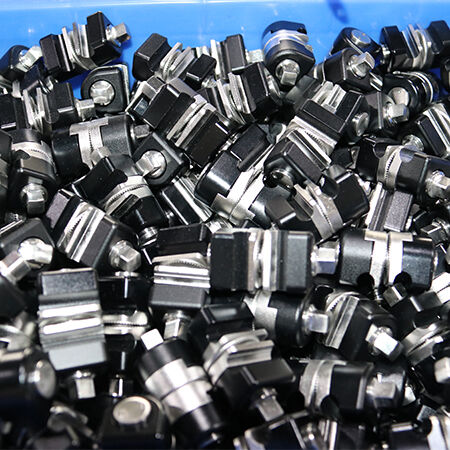
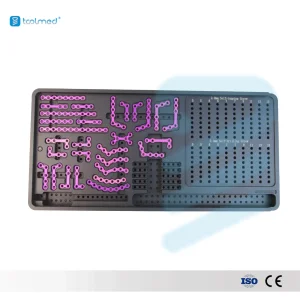
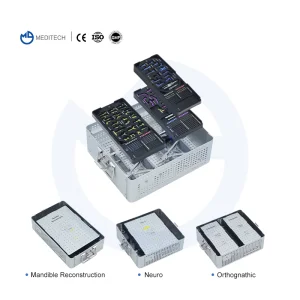
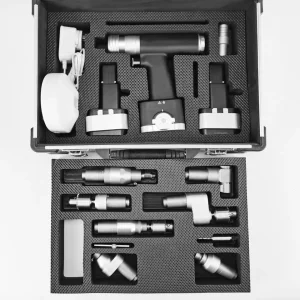
Complete surgical sets for comprehensive trauma and reconstructive surgery.