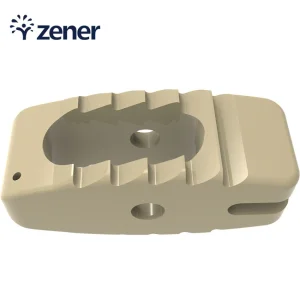
Alur Orthopedic Implants
Alur Orthopedic Implants
Alur Orthopedic Implants
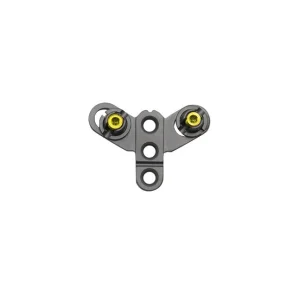
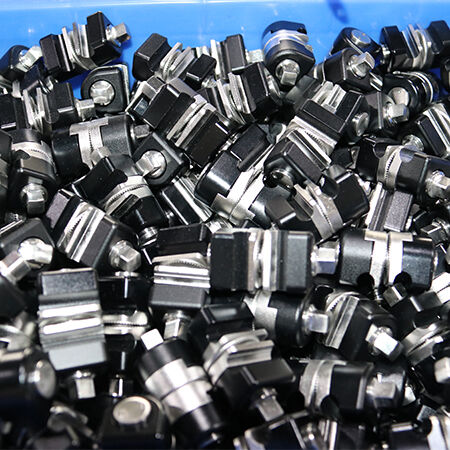
The global spinal implant market is undergoing a seismic shift, driven by an aging population and the increasing prevalence of degenerative disc diseases. Among the critical components of posterior spinal fixation systems, Cross Connectors Spine (also known as transverse stabilizers) play a pivotal role. These devices are engineered to connect longitudinal rods in a bilateral construct, significantly enhancing the rotational stability and torsional rigidity of the spinal framework.
Recent industrial data suggests that the demand for high-precision cross connectors is surging in North America, Europe, and the Asia-Pacific region. Surgeons are increasingly moving toward Minimally Invasive Surgery (MIS), which necessitates cross connectors that are not only robust but also low-profile to minimize soft tissue disruption. As a leading manufacturer in China, we are at the forefront of this evolution, integrating AI-driven design and robotic precision into our manufacturing lines.
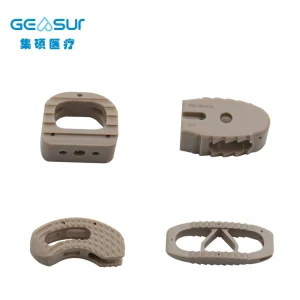
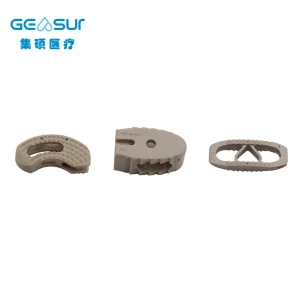
Shift towards biocompatible materials like Titanium Alloy (Ti-6Al-4V) and PEEK, alongside 3D-printed porous structures for better osseointegration.
Development of "Variable Angle" cross connectors that allow for intraoperative flexibility, accommodating divergent or convergent rod alignments.
Global hospitals are seeking cost-effective, CE-certified implants that maintain the highest safety standards to reduce revision surgery rates.
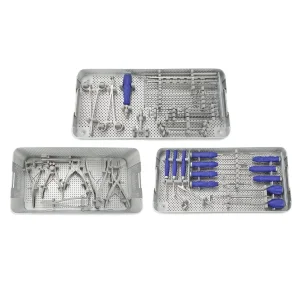
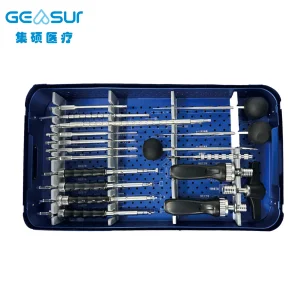
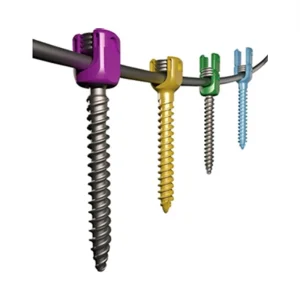
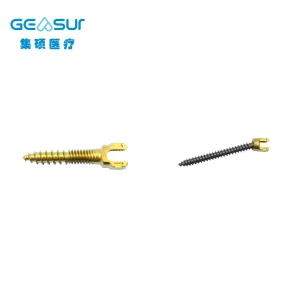
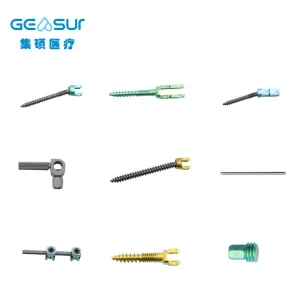
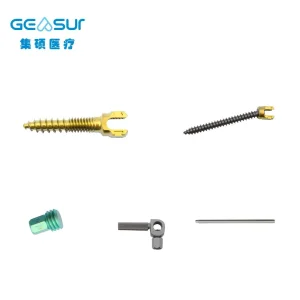
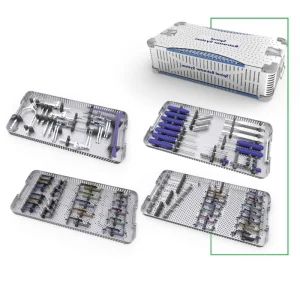
International procurement for spinal implants is no longer just about price; it's about supply chain reliability and regulatory compliance. Large-scale medical distributors in Brazil, Egypt, and Turkey are looking for partners who can provide comprehensive "Instrument + Implant" solutions. Our 5.5mm and 6.0mm pedicle screw systems are designed to be universally compatible, satisfying diverse anatomical requirements across different ethnicities.
In local clinical scenarios—ranging from scoliosis correction in pediatric orthopedics to trauma stabilization in emergency medicine—the Cross Connector serves as the anchor of the construct. It prevents the "parallelogram effect," ensuring that the spinal alignment achieved during surgery is maintained throughout the patient's recovery phase.
The company places great importance on scientific and technological innovation, as well as new product research and development. Its product development strategy follows the principles of "blue ocean, differentiation, and focus strategy," with a strong emphasis on limb orthopedics, pediatric orthopedics, and internal and external fixation products for foot and ankle surgery. The company has obtained 27 national utility model patent certificates, 6 invention patents, and 2 software copyrights.
With a production capacity covering more than 8,000 product specifications in orthopedic trauma, spinal implants, and surgical instruments, the company has gradually established competitive advantages in research and development, production and manufacturing, quality control, marketing, and other key areas.
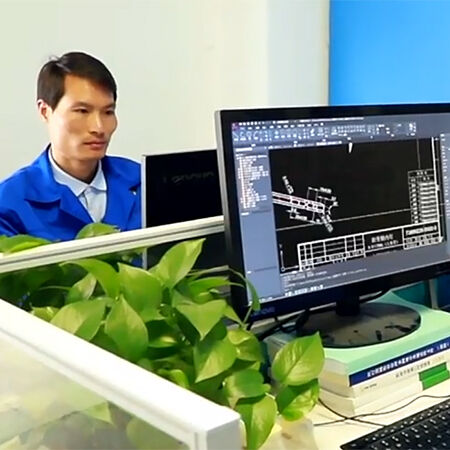
Our marketing team consists of more than 40 professionals, with sales and technical service personnel present in over 20 major cities. The company has built a nationwide marketing network covering 31 provinces and cities, collaborating with more than 300 agents and serving over 300 top-tier teaching hospitals. It actively engages in academic promotion, technical services, and product training, participating in or hosting more than 50 academic conferences for orthopedic doctors annually.
The company's self-operated export business is also taking shape, with sales extending to countries such as Brazil, Colombia, Peru, Egypt, and Morocco. By choosing us as your China supplier, you benefit from factory-direct pricing, rapid prototyping, and a partner that understands the rigorous demands of the global surgical market.
For a Cross Connector Spine to be effective, it must meet several engineering benchmarks. Our connectors are manufactured from medical-grade Titanium Alloy (Grade 5), ensuring maximum biocompatibility and MRI compatibility.
Key technical features include:
These innovations ensure that surgeons can achieve a "construct of confidence," knowing that the spinal fixation will withstand the rigors of daily movement during the fusion process.