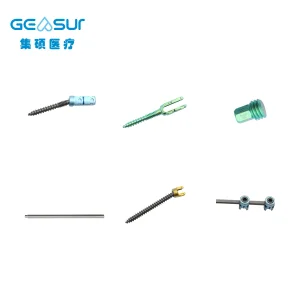
Alur Orthopedic Implants
Alur Orthopedic Implants
Alur Orthopedic Implants
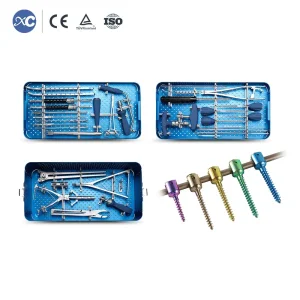
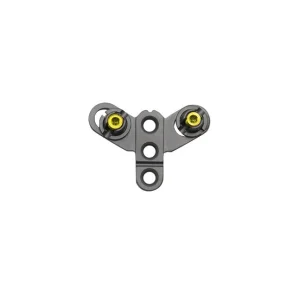
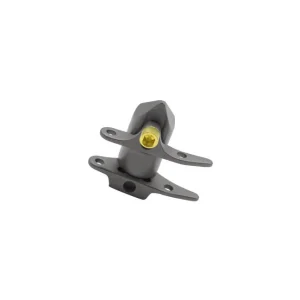
The global orthopedic market is witnessing a paradigm shift in the treatment of craniocervical junction instabilities. Occipitocervical Fixation (OCF) has emerged as the gold standard for stabilizing the transition between the skull and the cervical spine. As a leading Occipitocervical Fixation factory in China, we understand that the complexity of this anatomical region requires surgical implants that offer uncompromising stability and biocompatibility.
Currently, the industrial status of OCF is characterized by a high demand for posterior fixation systems. Surgeons worldwide are looking for solutions that address traumatic injuries, rheumatoid arthritis, congenital malformations, and neoplastic instabilities. The global market is expanding rapidly, with North America and Europe leading in adoption, while the Asia-Pacific region is showing the highest growth rate due to improving healthcare infrastructure and an aging population.
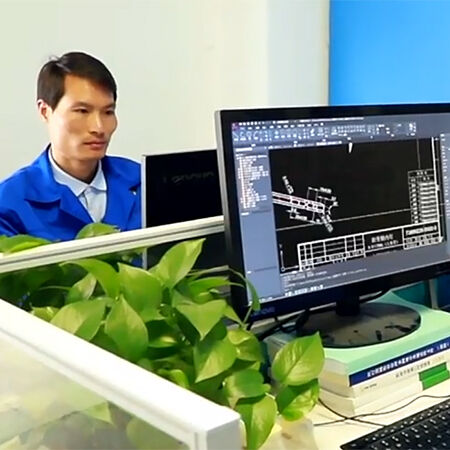
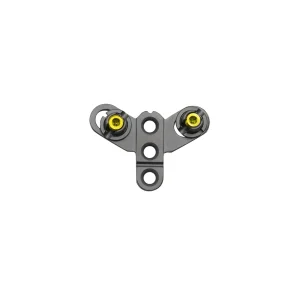
Additive manufacturing allows for the creation of patient-specific Occipital plates that match the unique contours of the skull, improving graft integration and surgical outcomes.
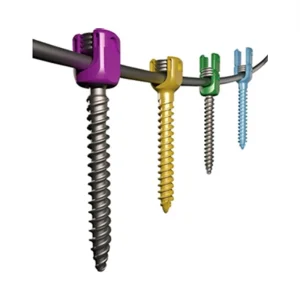
Minimally Invasive Surgery (MIS) is the future. Our R&D focus is on reducing incision sizes and tissue trauma through cannulated screw systems and low-profile plates.
Transitioning from pure titanium to advanced Grade 5 Titanium alloys and PEEK (Polyetheretherketone) to minimize MRI artifacts while maintaining high fatigue strength.
The industry is moving toward "Smart Implants." By integrating AI-assisted surgical planning and robotic navigation compatibility, we ensure that every Occipitocervical Fixation system produced in our factory meets the digital requirements of modern operating theaters. Innovation is no longer just about the metal; it’s about the surgical ecosystem.

Year Founded

Exporting Countries

Top-tier Hospitals served

Intellectual Property Rights

Global Agents
International buyers, from government healthcare ministries to private medical distributors, prioritize three factors in occipitocervical fixation procurement: Quality compliance (ISO/CE/FDA), supply chain reliability, and cost-effectiveness. As a premier China Occipitocervical Fixation factory, we offer a unique value proposition.
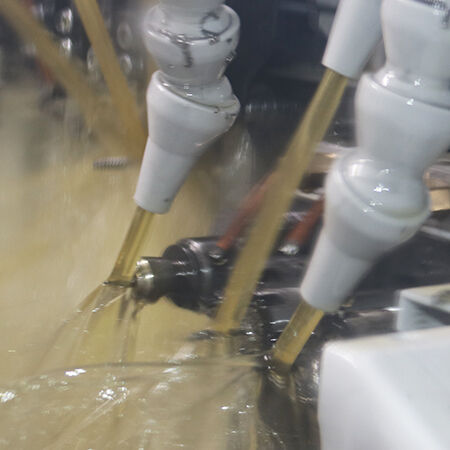
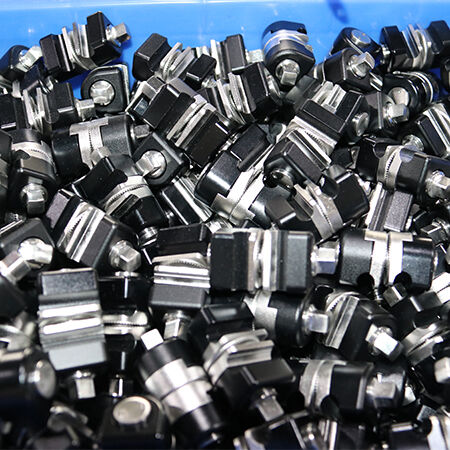
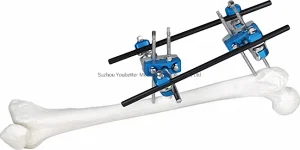
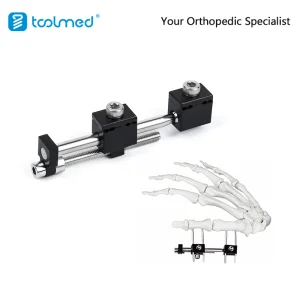
The company places great importance on scientific and technological innovation, as well as new product research and development. Its product development strategy follows the principles of "blue ocean, differentiation, and focus strategy," with a strong emphasis on limb orthopedics, pediatric orthopedics, and internal and external fixation products for foot and ankle surgery.
The company has obtained 27 national utility model patent certificates, 6 invention patents, and 2 software copyrights. With a production capacity covering more than 8,000 product specifications in orthopedic trauma, spinal implants, and surgical instruments, the company has gradually established competitive advantages in research and development, production and manufacturing, quality control, marketing, and other key areas.
Our marketing team consists of more than 40 professionals, with sales and technical service personnel present in over 20 major cities. The company has built a nationwide marketing network covering 31 provinces and cities, collaborating with more than 300 agents and serving over 300 top-tier teaching hospitals.
The company's self-operated export business is also taking shape, with sales extending to countries such as Brazil, Colombia, Peru, Egypt, and Morocco.
Occipitocervical Fixation is not a one-size-fits-all solution. Our products are designed for diverse clinical environments across the globe:
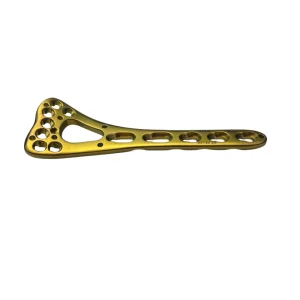
In high-impact trauma cases (like motor vehicle accidents), our rapid-lock pedicle screws and contoured plates provide immediate stability to life-threatening atlanto-occipital dislocations.
When primary or metastatic tumors affect the C1-C2 vertebrae, our modular systems allow surgeons to reconstruct the spinal column with precision, ensuring long-term durability during post-operative therapy.
For elderly patients with severe rheumatoid arthritis causing cranial settling, our low-profile implants minimize soft-tissue irritation while providing the necessary structural support to delicate bones.
Our specialized pediatric orthopedic line addresses congenital craniocervical junction malformations, focusing on growth-compatible designs and smaller anatomical profiles.