Alur Orthopedic Implants
Alur Orthopedic Implants
Alur Orthopedic Implants
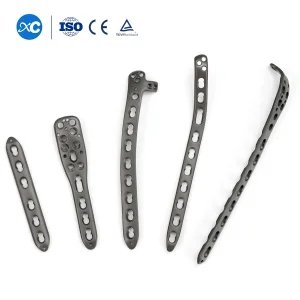
The global market for orthopedic trauma fixation has seen a seismic shift towards the use of Tibial Head Locking Plates. In modern orthopedic surgery, tibial plateau fractures represent some of the most challenging injuries due to their proximity to the knee joint and the complexity of articular surface restoration. As a leading China Tibial Head Locking Plates Factory, we have observed that the global demand is no longer just for stability, but for biological fixation that preserves the blood supply while providing rigid support.
From a commercial perspective, the industry is witnessing a CAGR of over 6.5%, driven primarily by an aging global population prone to osteoporotic fractures and a rise in high-energy trauma cases from road accidents and sports. Developed markets like the USA and Europe are focusing on patient-specific implants (PSI), while emerging markets in Latin America, Southeast Asia, and the Middle East are rapidly adopting locking plate technology to replace traditional non-locking systems. The transition is fueled by the superior clinical outcomes of locking plates in poor-quality bone and complex comminuted fractures.
The shift from stainless steel to titanium alloys (Grade 5) has become the industry gold standard for biocompatibility and MRI compatibility.
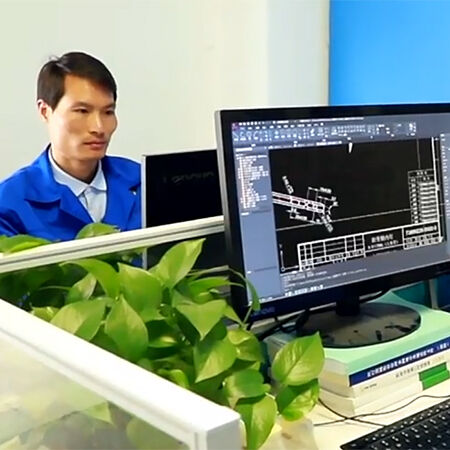
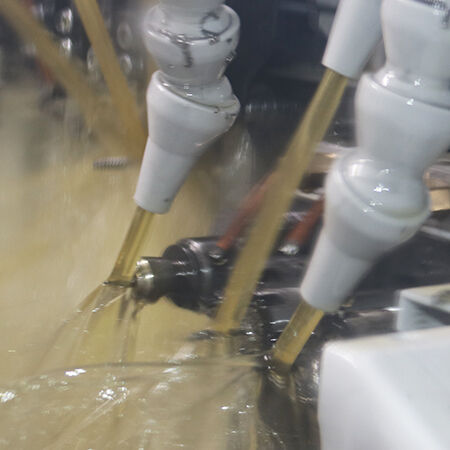
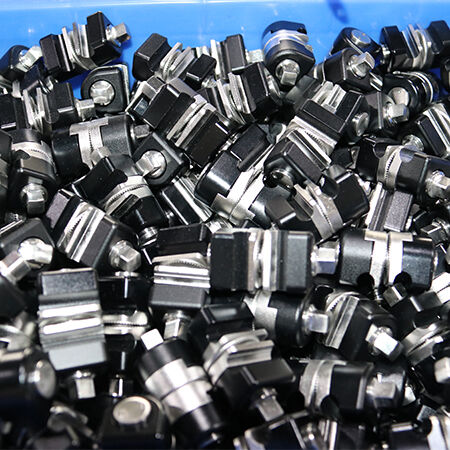
Modern production facilities now integrate CNC multi-axis milling and AI-driven quality inspection to ensure 100% precision in screw-hole alignment.
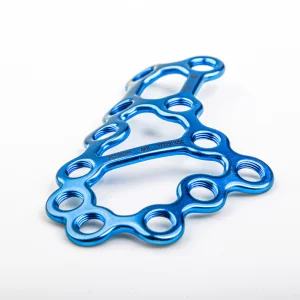
Anatomical contouring has reduced the need for intraoperative plate bending, significantly shortening surgical time and reducing surgeon fatigue.
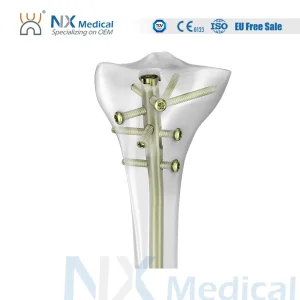
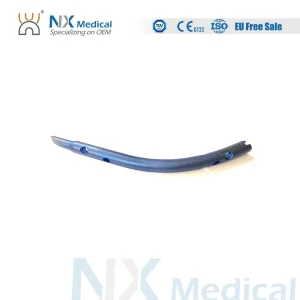
Our proximal tibial interlocking intramedullary nails represent the pinnacle of minimally invasive trauma surgery. Designed for complex fractures where a plate might not be the primary choice, these nails offer superior axial stability. As a dedicated Tibial Head Locking Plates supplier, we ensure that every nail and plate produced in our factory undergoes rigorous stress-testing to meet international biomechanical standards.
This product features a multi-planar locking design to capture small fragments in the proximal tibia, providing a "fixed-angle" construct similar to our locking plates, ensuring the highest level of stability for early patient mobilization.
The future of tibial head fixation is being written with AI and material science. We are seeing three major trends dominating the global landscape:
As a China Tibial Head Locking Plates factory, we are at the forefront of these trends. Our R&D department utilizes finite element analysis (FEA) to simulate the stresses on the tibial head during different phases of the gait cycle. This allows us to optimize the plate thickness—maximizing strength while minimizing the "palpability" of the implant under the skin, a common patient complaint in distal and proximal tibial areas.
Procurement officers in the medical sector face the daunting task of balancing cost with clinical excellence. When sourcing Tibial Head Locking Plates, the primary requirements are:
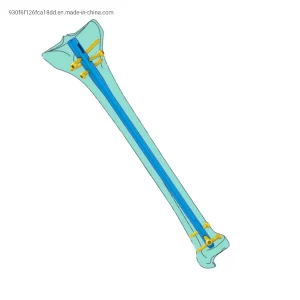
The suprapatellar approach has revolutionized tibial nailing by keeping the knee in an extended position, making it easier to reduce the fracture under fluoroscopy. Our system is designed for maximum surgical flexibility, offering various locking options to treat a wide range of tibial fractures.
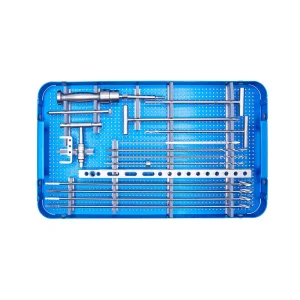
By integrating these advanced systems into your procurement strategy, hospitals can reduce intraoperative time and improve postoperative recovery rates. Our factory provides full training and technical support for these specialized instrument sets.
The application of Tibial Head Locking Plates varies significantly based on local demographics. In urban centers with high-speed traffic, surgeons often deal with high-energy "Schatzker VI" fractures requiring double-plating (medial and lateral). In contrast, in rural or aging communities, the focus is on low-energy falls resulting in osteoporotic fractures where the "locking" mechanism of our plates provides the necessary grip in "eggshell" bone quality.
Our plates are designed for versatile use across these scenarios. The anatomical fit ensures that even in resource-limited settings where intraoperative imaging might be limited, the plate serves as a template for fracture reduction.
The company places great importance on scientific and technological innovation, as well as new product research and development. Its product development strategy follows the principles of "blue ocean, differentiation, and focus strategy," with a strong emphasis on limb orthopedics, pediatric orthopedics, and internal and external fixation products for foot and ankle surgery. The company has obtained 27 national utility model patent certificates, 6 invention patents, and 2 software copyrights.
With a production capacity covering more than 8,000 product specifications in orthopedic trauma, spinal implants, and surgical instruments, the company has gradually established competitive advantages in research and development, production and manufacturing, quality control, marketing, and other key areas.
The marketing team consists of more than 40 professionals, with sales and technical service personnel present in over 20 major cities. The company has built a nationwide marketing network covering 31 provinces and cities, collaborating with more than 300 agents and serving over 300 top-tier teaching hospitals. It actively engages in academic promotion, technical services, and product training, participating in or hosting more than 50 academic conferences for orthopedic doctors annually.
The company's self-operated export business is also taking shape, with sales extending to countries such as Brazil, Colombia, Peru, Egypt, and Morocco.