Alur Orthopedic Implants
Alur Orthopedic Implants
Alur Orthopedic Implants
Engineered to exact clinical specifications utilizing medical-grade titanium and advanced polymers.
A statistical look at our global impact, orthopedic innovation history, and healthcare penetration.
In modern traumatology and orthopedic reconstruction, the compression plate is a critical device designed to stabilize fractures under mechanical load and accelerate the natural healing process. Achieving successful internal fixation requires a balance of biomechanical performance, biocompatibility, and manufacturing precision. As global healthcare systems face rising costs and aging demographics, choosing the right manufacturer becomes a strategic priority for clinical directors and biomedical procurement professionals.
This industry document analyzes the design, manufacturing techniques, and regulatory compliance standards of compression plates in China. It highlights how top manufacturers align with the strict expectations of the global surgical community.
Compression plates provide rigid fixation of fractures by converting screw tightening torque into axial compression across the fracture line. This stability is essential for primary bone healing (contact healing without callus formation).
Manufacturers utilize surgical-grade Titanium Alloys (Ti-6Al-4V ELI) and implant-grade Stainless Steel (316LVM) to minimize adverse tissue reactions and optimize fatigue resistance under cyclic load conditions.
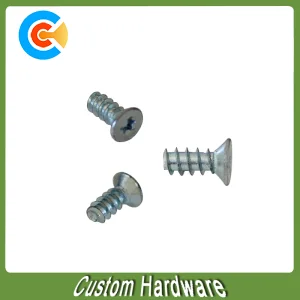
Advanced engineering of thread geometry ensures locking reliability, preventing cold-welding and stripping during installation or post-surgical weight-bearing.
Type II Anodization and electro-polishing are utilized to build a stable oxide layer. This improves corrosion resistance and reduces bacterial adhesion on the implant surface.
A key indicator of a manufacturer's competence is the depth of its product offerings. We maintain a production catalog covering more than 8,000 product specifications in orthopedic trauma, spinal implants, and surgical instruments. This enables hospitals and distributors to source complete clinical packages from a single provider.
Our research and development strategy follows the principles of "blue ocean, differentiation, and focus strategy," targeting three key surgical disciplines:
Chinese orthopedic manufacturers have integrated advanced industrial production methods, often referred to as Factory 4.0. Leveraging domestic raw materials, high-precision Swiss-type lathes, and 5-axis CNC machining centers, they achieve dimensional tolerances within the micron range.
By streamlining operations from raw material processing to final packaging, they reduce production lead times and protect clients from international supply chain disruptions. This combination of efficiency and manufacturing precision helps lower global medical costs while maintaining clinical quality standards.
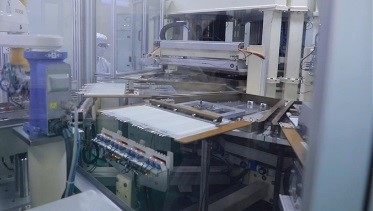
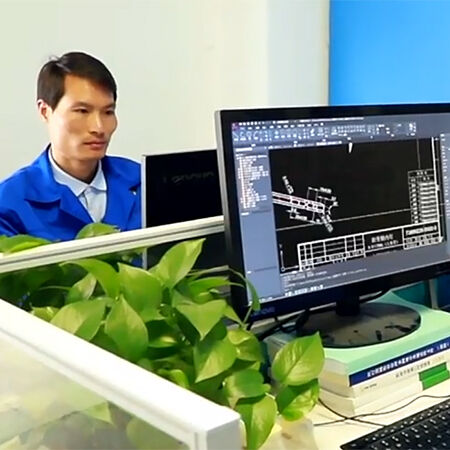
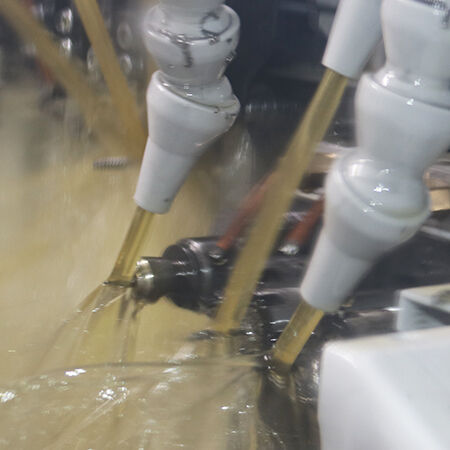
How we ensure zero-defect output through scientific validation, biological assessments, and physical metrics.
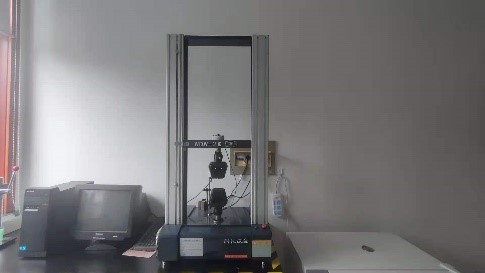
Validates tensile strength and load limits to prevent mechanical failure under post-operative stress.
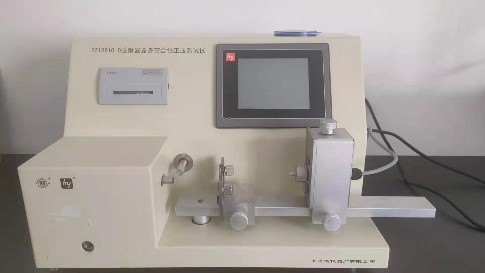
Verifies screw-plate locking engagement and thread tolerance fit.
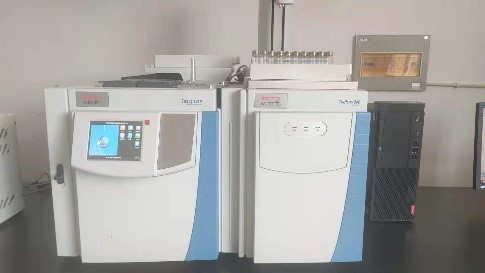
Measures sterilization residues to ensure clean, pyrogen-free implants.
Our commitment to quality management and research is supported by a solid legal foundation. The company holds 27 national utility model patent certificates, 6 invention patents, and 2 software copyrights, reflecting a strong emphasis on intellectual property protection and engineering innovation.
Each manufacturing step complies with ISO 13485 (Medical Devices Quality Management Systems). We track every batch from the raw titanium ingot to the sterile package inside the operating theater, ensuring full traceabilty.
For international medical distributors and hospital systems, procuring implants from China requires a partner that understands global regulatory compliance. We have built an export network covering countries such as Brazil, Colombia, Peru, Egypt, and Morocco.
As orthopedics advances, our research and development team is focusing on the next generation of implant technologies:
Answers to common technical, quality control, and procurement questions from biomedical buyers.
We use surgical-grade Titanium Alloy (Ti-6Al-4V ELI) conforming to ASTM F136 standards, as well as Commercially Pure Titanium (CP Ti Grade 3/4) for applications where increased ductility is required.
Our Locking Compression Plates (LCP) are manufactured on synchronized CNC machinery to maintain thread tolerances. We run testing on automated tightness testers to ensure precise lock engagement and reduce the risk of cross-threading.
Yes. We have established registration files and export histories in Brazil, Colombia, Peru, Egypt, and Morocco. Our regulatory team provides COA, ISO 13485, and clinical dossier support.
The LC-DCP has a structured profile that reduces contact with the underlying bone. By preserving local blood flow under the plate, it helps reduce bone resorption and supports faster biological healing.
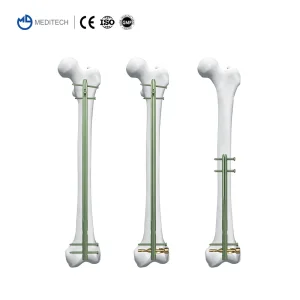
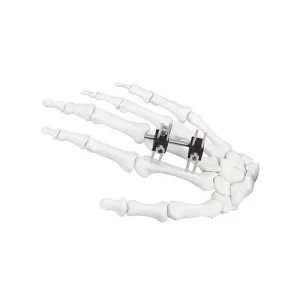
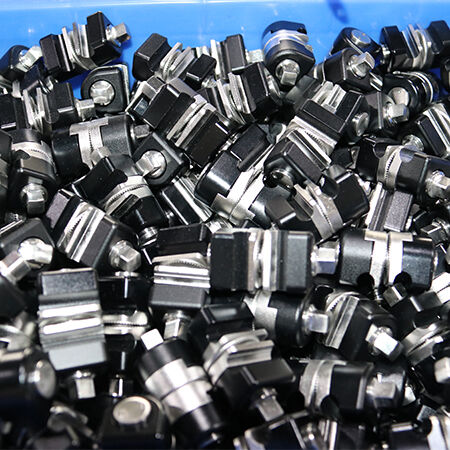
From pedicle screw systems to external fixators, we provide trauma solutions for hospitals globally.
Our manufacturing and processing facilities are designed to maintain product sterility and safety.
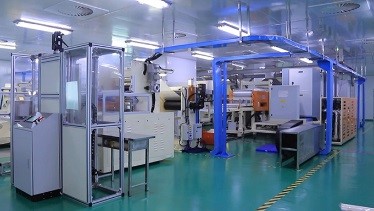
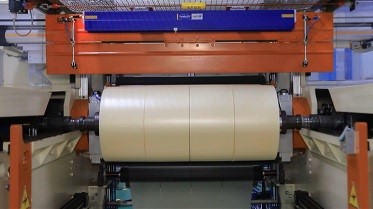
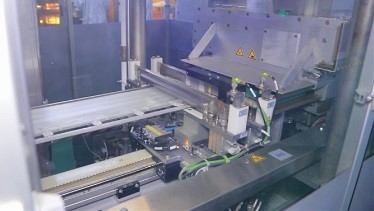
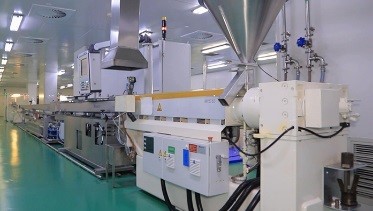
Implant packaging requires controlled cleanroom conditions to protect the sterile barrier. Operating under Class 100,000 cleanroom environments, our workers process and seal products using specialized film, slitting, and bag-making machinery. This systematic approach ensures that every implant is delivered to the clinical setting free of microbial contamination.