Alur Orthopedic Implants
The fracture fixation market has undergone a paradigm shift, moving from traditional mechanical stabilization to bio-active and minimally invasive solutions. As surgical techniques evolve, the demand for precision-engineered implants—ranging from intramedullary nails to maxillofacial plates—has surged. Identifying the right supplier is no longer just about price; it is about E-E-A-T (Experience, Expertise, Authoritativeness, and Trustworthiness).
In the medical device industry, compliance is the baseline of existence. Leading factories today provide comprehensive support for FDA, CE (MDR), and ISO 13485 certifications. Localization goes beyond language; it involves understanding the specific clinical registration requirements of regions like Brazil (ANVISA), Egypt, and the European Union. A top-tier supplier acts as a regulatory partner, ensuring that every shipment of orthopedic trauma implants or spinal fixation systems meets the localized legal frameworks of the destination country.
With 27 national utility model patents and 6 invention patents, Chinese manufacturers are pivoting from "capacity-based" to "innovation-led."
Production capacity covers more than 8,000 product specifications in trauma, spinal implants, and surgical instruments.
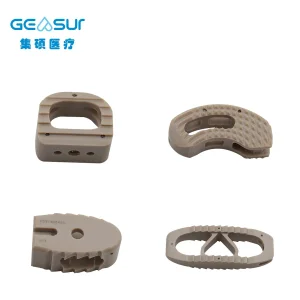
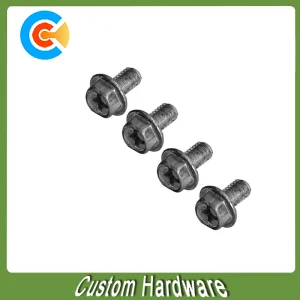
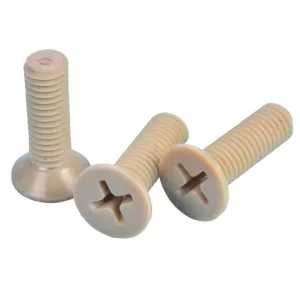
Advanced testing rigs including Tension Testers, Tightness Testers, and Gas Chromatography ensure every PEEK cage or titanium screw is flawless.
Leading companies follow a strategy of "Blue Ocean, Differentiation, and Focus," particularly in niche sectors like pediatric orthopedics and limb reconstruction. The integration of AI-driven manufacturing and high-precision slitting and tube-making processes allows for a level of customization that was previously impossible.
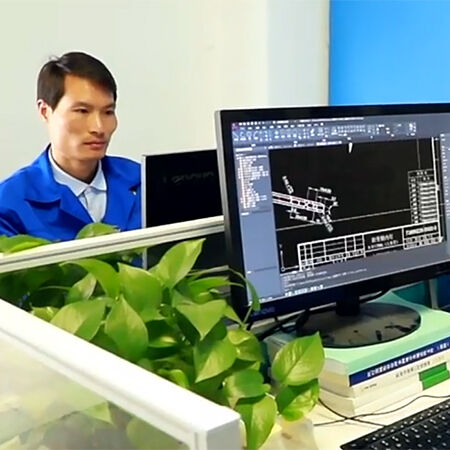
Procurement officers from Brazil to Morocco are increasingly looking for integrated solution providers rather than simple component manufacturers. The trend is moving toward Minimal Invasive Systems (MIS) and Digital Orthopedics.
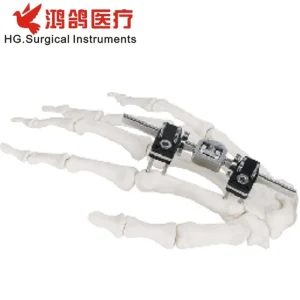
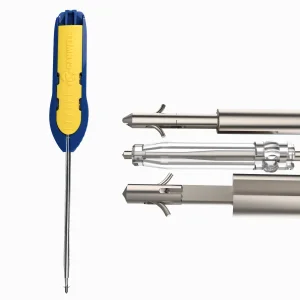
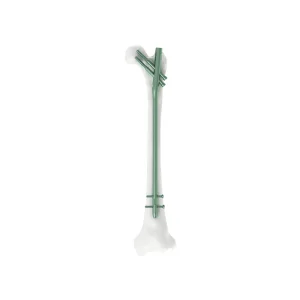
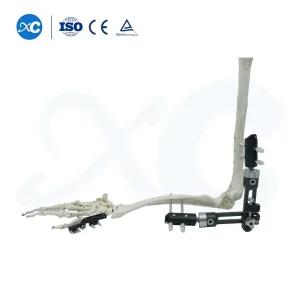
Immediate stabilization using Interlocking Intramedullary Nails and Small Fragment External Fixators. Critical for emergency orthopedic surgery.
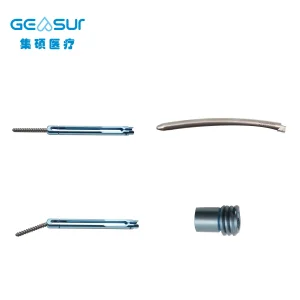
Use of Lumbar Interbody Fusion PEEK Cages and Axial-Rotation Pedicle Screws for degenerative disc diseases.
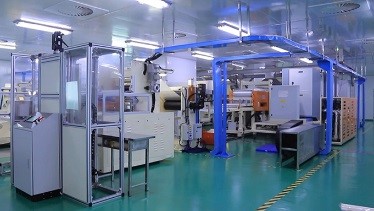
Film making
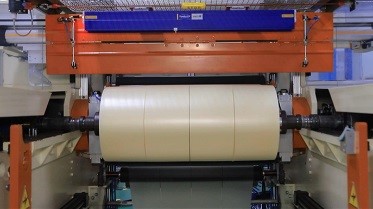
Slitting
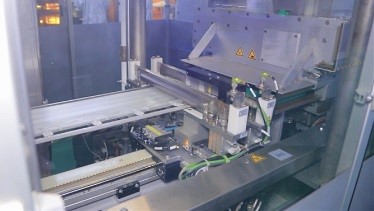
Bag making
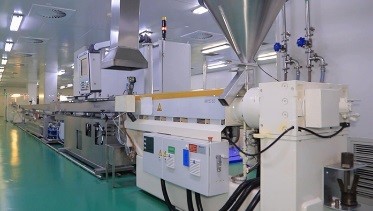
Tube making
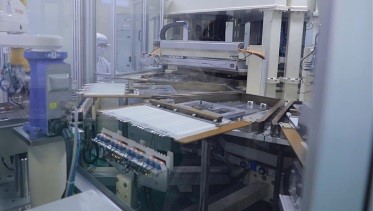
Assembling
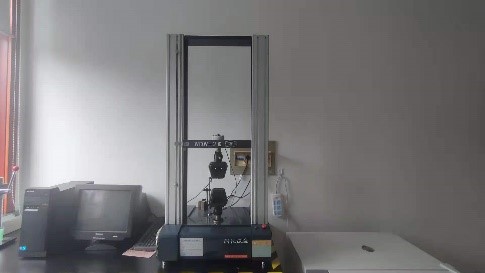
Tension Tester
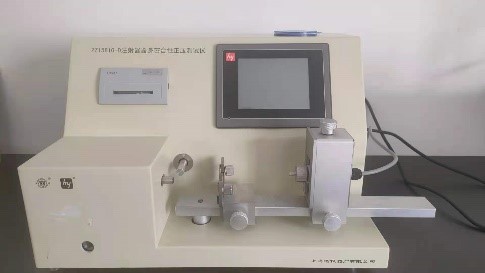
Tightness Tester
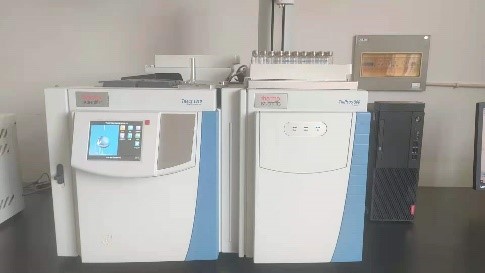
Gas Chromatography
The marketing team consists of more than 40 professionals, with sales and technical service personnel present in over 20 major cities. Collaborating with more than 300 agents and serving over 300 top-tier teaching hospitals, the company actively engages in academic promotion, technical services, and product training, participating in or hosting more than 50 academic conferences for orthopedic doctors annually.