Alur Orthopedic Implants
Alur Orthopedic Implants
Alur Orthopedic Implants
Explore our elite portfolio of regulatory-approved trauma fixation systems, stabilization devices, and precision instruments designed for clinical reliability.
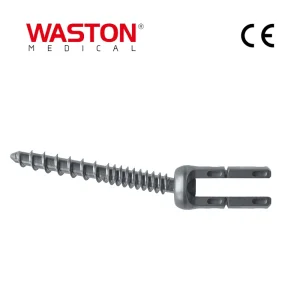
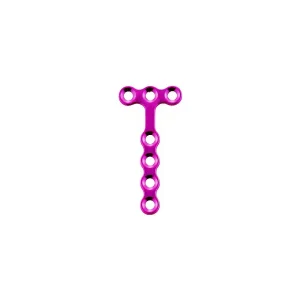
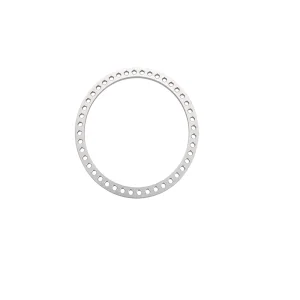
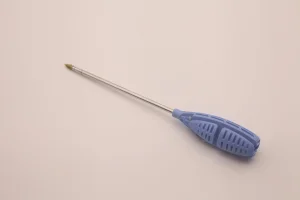
An authoritative analysis of biomechanics, material science advancements, and manufacturing standards in orthopedic osteosynthesis.
The global orthopedic implants market is undergoing a structural paradigm shift from rigid mechanical immobilization to biologically optimized micro-motion stabilization. Fragment fixation devices, which form the cornerstone of trauma and reconstructive surgeries, are evolving rapidly. Modern clinical practices prioritize minimal disruption to periosteal blood supply, guiding the development of locking plate profiles, low-contact designs, and highly anatomical contours.
Key clinical indicators demonstrate that titanium alloys (such as Ti-6Al-4V ELI) and PEEK (Polyetheretherketone) represent the vanguard of implantable materials. These materials provide a superior modulus of elasticity closer to cortical bone, thereby mitigating the risk of stress shielding. The integration of advanced surface modification technologies, including atomic layer deposition (ALD) and chemical vapor deposition (CVD), has allowed manufacturers to functionalize implant surfaces, promoting accelerated osseointegration and lowering the rate of surgical-site infections (SSI).
"Our clinical product development strategy relentlessly pursues a 'blue ocean, differentiation, and focus strategy.' By focusing on critical areas such as limb orthopedics, pediatric orthopedics, and dedicated internal/external fixation products for foot and ankle surgery, we deliver superior biomechanical outcomes to surgeons worldwide."
B2B procurement officers and hospital administrators face complex challenges when sourcing orthopedic hardware. Factors such as absolute material traceability, consistent biomechanical properties, sterilization integrity, and continuous availability across multiple dimensional specifications are non-negotiable.
Furthermore, regulatory harmonization (particularly under the European Union Medical Device Regulation - EU MDR, and FDA 510(k) clearances) has elevated the baseline of compliance. Factories supplying these components must demonstrate rigorous ISO 13485 quality systems and maintain robust production capacities. Modern procurement centers require factories that can deliver high-volume, defect-free batches of various specifications—covering everything from micro-maxillofacial locking plates to massive ring-based external fixators—without compromising metallurgical integrity or packaging safety.
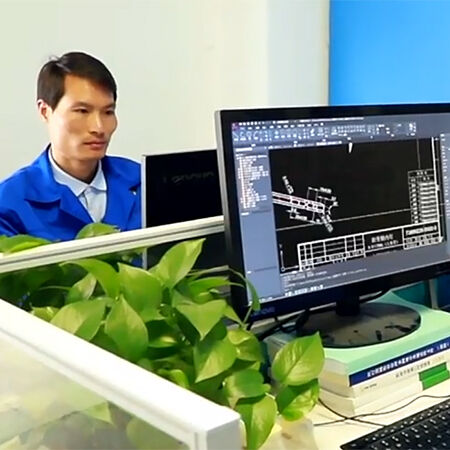
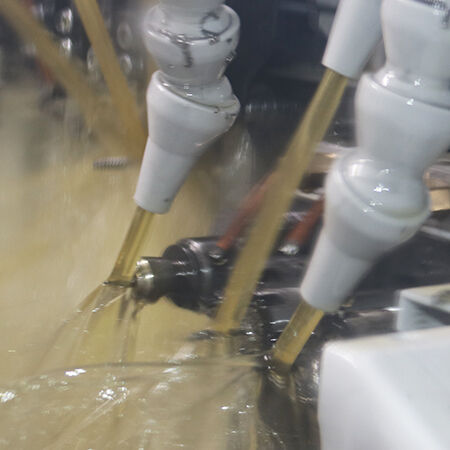
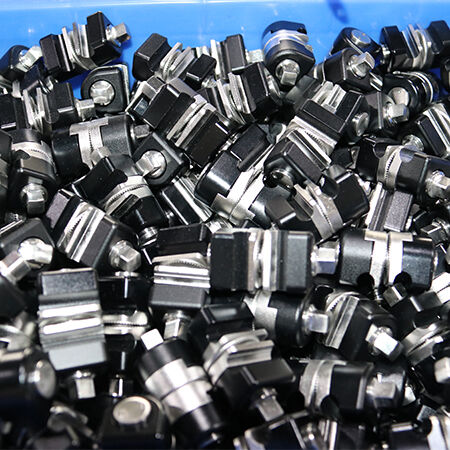
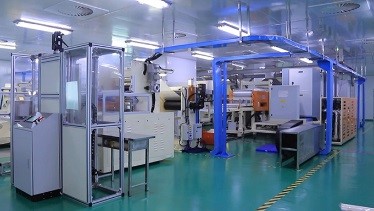
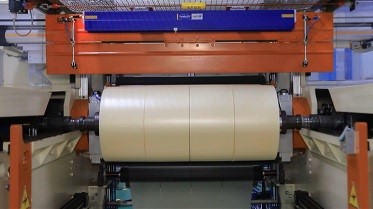
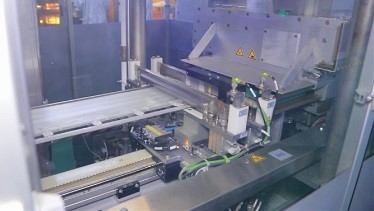
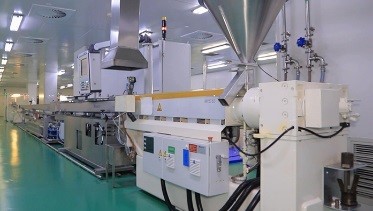
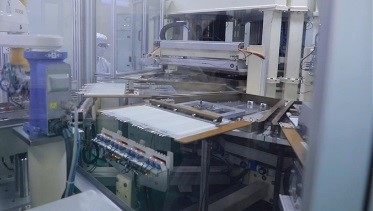
Inside our advanced manufacturing units, where cleanroom packaging, component fabrication, and rigorous quality testing meet strict medical device guidelines.
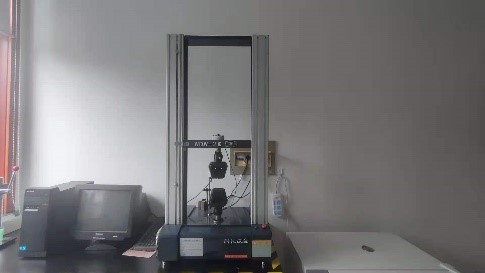
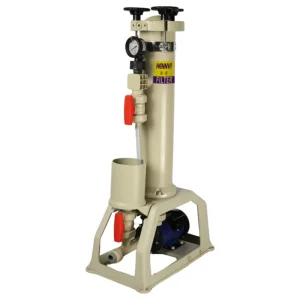
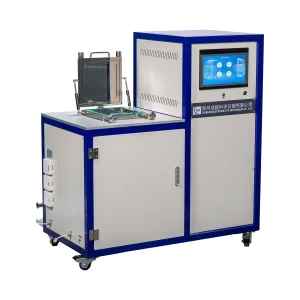
Measures maximum load bearing, ultimate tensile strength (UTS), and yield deformation thresholds for suture anchors, pins, and external frame joints.
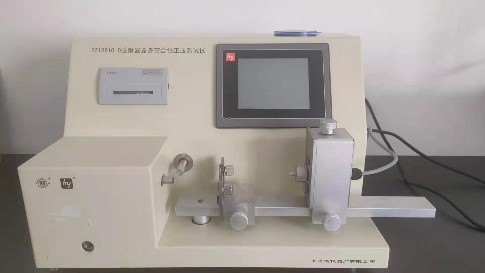
Ensures absolute sterile seal maintenance under diverse atmospheric pressures. Critical for preventing microbial ingress into pre-sterilized clinical implants.
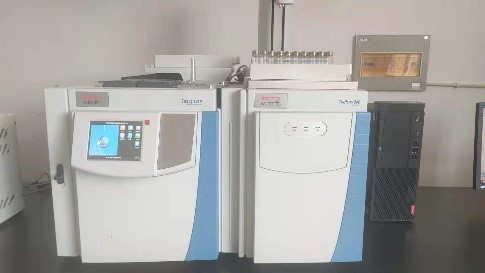
Detects and quantifies ultra-trace concentrations of chemical residues, such as Ethylene Oxide (EO) sterilization leftovers, validating implant safety.
Over a decade of manufacturing excellence, certified quality standards, and expansive global distribution networks.
Managing bone fragment displacement requires highly specialized anatomical systems. Over a span of years, we have scaled our production capacity to cover more than 8,000 product specifications in orthopedic trauma, spinal implants, and related surgical instruments. By maintaining this expansive library of sizes, angles, and locking structures, we ensure that healthcare providers can address complex anatomical variations.
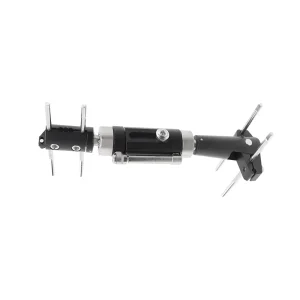
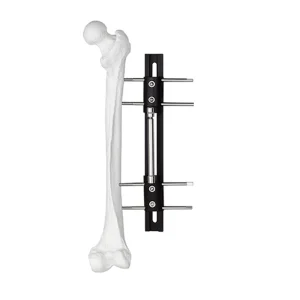
In pediatric orthopedics, implants must allow for ongoing skeletal growth while preventing premature epiphyseal plate fusion. In limb reconstruction and deformity correction, systems like the Ilizarov external fixator or custom-engineered unilateral fixators allow for gradual distraction osteogenesis. Similarly, our maxillofacial mini-locking systems utilize an ultra-low profile profile to prevent soft-tissue irritation, delivering excellent anatomical alignment across highly delicate bone configurations.
True manufacturing capability goes beyond production; it requires reliable local distribution and technical support. Our domestic marketing team consists of over 40 professionals, with dedicated sales and technical service personnel situated in over 20 major cities. Through a robust nationwide marketing network that covers 31 provinces, we work in close synergy with more than 300 experienced agents, directly serving 300+ top-tier teaching hospitals.
Academic engagement is fundamental to clinical development. We host or participate in more than 50 academic conferences for orthopedic surgeons annually. This continuous engagement supports ongoing product training, collects feedback directly from operating theaters, and drives our engineering initiatives. Internationally, our self-operated export network has built relationships in emerging markets, including Brazil, Colombia, Peru, Egypt, and Morocco, ensuring that localized regulatory registrations and compliance benchmarks are managed professionally.
The future of osteosynthesis lies at the intersection of material science and digital technology. Our research division is actively developing bio-resorbable magnesium-alloy implants that match human bone resorption kinetics, eliminating the need for secondary implant removal procedures. Additionally, we are optimizing custom 3D-printed titanium implants tailored to patient-specific structural configurations, significantly improving bone-implant interface contact and long-term stability.
Complementing these structural innovations, we are building software tools to support virtual preoperative planning. This enables surgeons to simulate the placement and configuration of fixator components digitally, minimizing surgical times and improving clinical accuracy.
Get answers to the most common queries regarding material specs, manufacturing processes, and order protocols.
We exclusively utilize medical-grade titanium alloys (Ti-6Al-4V ELI) conforming to ASTM F136 standards and high-grade biocompatible stainless steel (316LVM) conforming to ASTM F138. These materials are chosen for their excellent fatigue strength, corrosion resistance, and proven biocompatibility profile.
Our cleanrooms operate under ISO 13485 medical guidelines. We deploy advanced film-making, slitting, and bag-making machines to seal each implant. Final validation is conducted via packaging tightness testing, ensuring robust barriers against contaminants, while Gas Chromatography monitors post-sterilization EO residue levels.
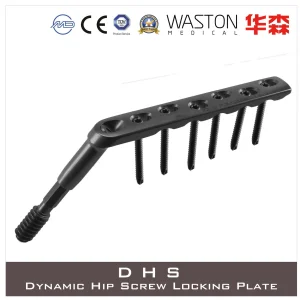
Yes. With 27 national utility model patents and 6 invention patents, we maintain a dedicated R&D team and testing systems. We routinely collaborate with medical centers and OEM partners globally to design, prototype, and manufacture custom locking plates, external fixators, and customized instruments.
Our factories maintain ISO 13485 Quality Management System certification and CE mark approvals. We actively export to South America (Brazil, Colombia, Peru) and the Middle East & Africa regions (Egypt, Morocco), ensuring complete regulatory compliance documentation for fast importation and customs clearance.
Each batch undergoes destructive and non-destructive mechanical validation. We employ computerized Tension Testers to evaluate pullout strength, shear strength, and fatigue resistance, ensuring the implants can withstand natural physiological loads during the post-operative recovery phase.
For standard catalog items (across our 8,000+ specifications), orders are typically dispatched within 15–30 days. For custom OEM profiles or specialized surface coatings (such as CVD/ALD), production schedules typically range from 45 to 60 days, depending on material sourcing and regulatory validation needs.
Browse our secondary selection of clinical orthopedics, sports medicine implants, and high-precision supporting hardware.