Alur Orthopedic Implants
Alur Orthopedic Implants
Alur Orthopedic Implants
In modern sports medicine, ligament reconstruction—specifically anterior cruciate ligament (ACL) and posterior cruciate ligament (PCL) reconstructions—demands mechanical fixation systems that are both biologically sound and structurally uncompromising. As a core orthopedic implant, interference screws are responsible for securing the soft tissue tendon or bone-patellar tendon-bone (BTB) graft within the tibial and femoral tunnels. The long-term success of the surgical outcome depends entirely on the initial stability provided by the screw, which must resist physiological pull-out forces during the early stages of ligamentization.
For medical device brands, orthopedic distributors, and global sourcing managers, establishing partnerships with a premier OEM/ODM interference screws manufacturer is not merely a matter of margin optimization. It is a critical risk-management decision. The components must meet extremely tight tolerances, feature advanced biocompatible materials, and possess specific thread designs that minimize graft laceration while maximizing bone-graft-implant interface friction. As surgical trends shift towards outpatient arthroscopic procedures and minimally invasive techniques, the demand for highly specialized interference screws—available in PEEK, bioabsorbable materials, and titanium—continues to scale rapidly.
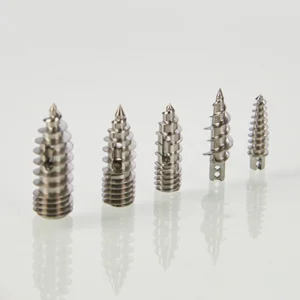
Engineered thread patterns optimized for dual-lead designs, ensuring rapid insertion and unmatched primary stability within the bone tunnel.
Rounded thread profiles and blunt edges designed specifically to avoid shearing or tearing of soft tissue grafts during insertion.
Sourced from leading global biomaterial vendors, our PEEK and bioabsorbable polymers promote integration without adverse inflammatory reactions.
Selecting the appropriate material for OEM/ODM interference screws dictates the clinical trajectory of the implant. The ideal biomaterial must balance initial mechanical stiffness with long-term compatibility, load distribution, and post-operative diagnostic visibility.
| Material Class | Mechanical Characteristics | Biocompatibility Profile | Imaging Compatibility | Best Clinical Use Case |
|---|---|---|---|---|
| Titanium Alloy (Ti-6Al-4V ELI) | Highest yield strength and torsional resistance. Exceptional pull-out force. | Excellent osseointegration; remains permanently inert within the bone tunnel. | Produces significant MRI artifact shadowing. | High-stress reconstruction, revisions, and patients with dense bone structure. |
| PEEK (Polyetheretherketone) | Elastic modulus closely matches cortical bone, minimizing stress shielding. | Inert, non-degradable polymer that prevents localized osteolysis. | Radiolucent; clear CT/MRI imaging for post-operative evaluation. | Standard ACL/PCL soft tissue graft fixation where radiolucency is critical. |
| Bioabsorbable Polymers (PLDLA + TCP) | Sufficient early mechanical lock, gradually transferring load to healing bone. | Degrades via hydrolysis into lactic acid; TCP additives act as osteoconductive scaffolds. | Radiolucent; completely replaced by natural bone over 18 to 24 months. | Pediatric orthopedics, active patients wanting no permanent foreign hardware. |
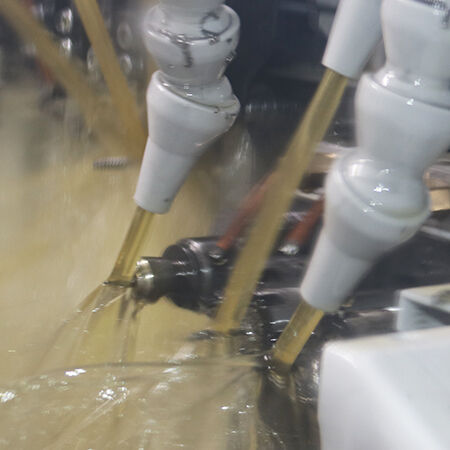
Our manufacturing facility employs Swiss-type CNC micro-machining and advanced cleanroom injection molding to process these medical-grade materials. Every batch of raw materials is fully traceable, coming with certificate analyses verifying adherence to ASTM and ISO standards for implantable medical devices.
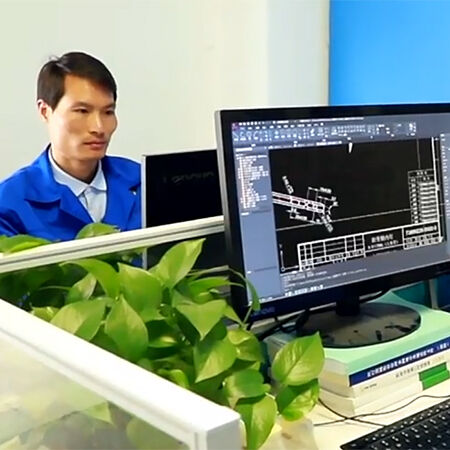
For brands seeking a specialized competitive edge, off-the-shelf components often fail to address niche anatomical challenges. We provide complete OEM and ODM customized manufacturing pipelines. Whether you possess finished 3D CAD files or need to translate a surgeon’s concept into physical prototypes, our engineering team utilizes finite element analysis (FEA) to simulate insertion torque and pull-out stress distribution.
Our engineers evaluate your requirements for Design for Manufacturability (DFM). We optimize thread pitches, drive types (e.g., Star/Torx, Hexagonal, Hexalobe), and cannulation dimensions to ensure stress-concentration factors are minimized.
Utilizing high-precision rapid prototyping, we fabricate titanium and PEEK pilot runs. These undergo mechanical testing on polyurethane foam blocks simulating bone density, following ASTM F543 guidelines for medical bone screws.
Upon design sign-off, production shifts to our ISO Class 7 (Class 10,000) cleanrooms. Here, injection molding of bioabsorbable screws and high-precision wash-cycles for titanium components guarantee endotoxin limits are met.
We accommodate custom sizing arrays, providing outer diameters ranging from 5mm to 11mm, and lengths from 15mm to 35mm. Additionally, we customize the drive connection to integrate flawlessly with your existing proprietary orthopedic driver instruments, allowing your sales representatives to bundle screws and instruments seamlessly.
Our production floor operates under strict quality management frameworks. By housing machining, inspection, cleanroom packaging, and chemical analysis under one roof, we eliminate supply chain bottlenecks and guarantee consistent batch quality.
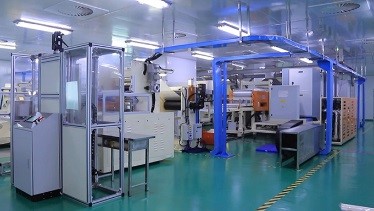
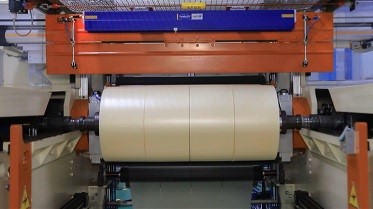
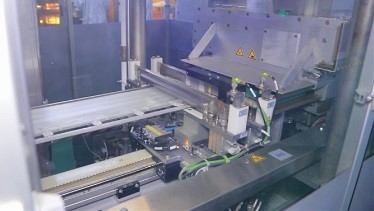
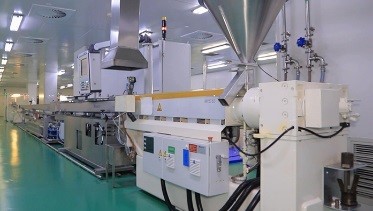
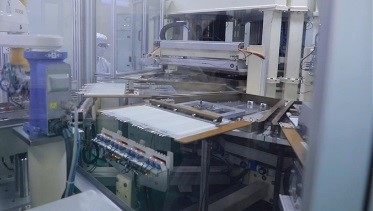
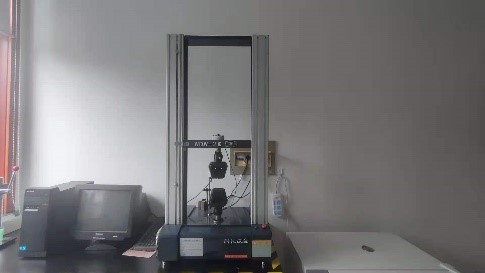
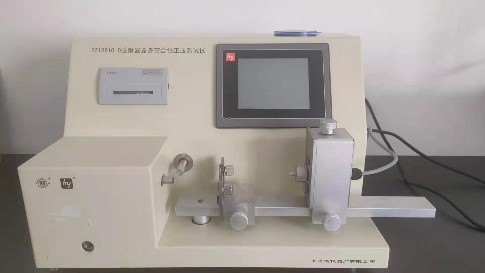
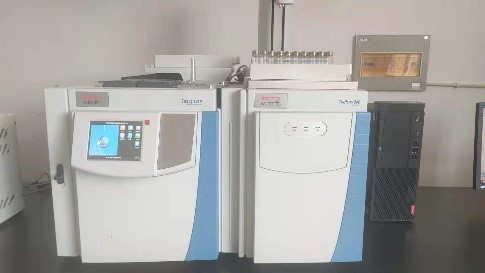
Our quality assurance laboratory is equipped with state-of-the-art diagnostic instruments to verify both physical dimensions and chemical purity. With Gas Chromatography for validation of sterilizer residues, Tightness Testers for package integrity, and high-load Tension Testers for mechanical yield parameters, we ensure that every batch meets the extreme requirements of Class III medical device regulations.
The global medical supply chain is subject to intense cost scrutiny and lead-time volatility. Sourcing interference screws from an established Chinese manufacturer with deep vertical integration yields substantial competitive advantages for Western and global distributors:
Compliance in orthopedics is non-negotiable. To serve global healthcare systems and top-tier teaching hospitals, our quality management systems are certified to ISO 13485 standards.
We operate an active export business spanning over 32 countries including Brazil, Colombia, Peru, Egypt, and Morocco. Our internal regulatory team provides complete technical files (including biomechanical test data, cleanroom environmental monitoring logs, and biocompatibility documentation) to support fast local registration and importation. We actively engage in academic promotions, technical support, and product training, participating in over 50 orthopedic conferences globally each year to stay aligned with the latest clinical requirements.
Backed by 27 national utility model patent certificates, 6 invention patents, and 2 software copyrights, ensuring proprietary protection.
Established sales and logistics footprints in South America, North Africa, and the Middle East, with tailored documentation support.
Direct supply networks cooperating with over 300 agents to deliver high-precision implants to more than 365 top-tier teaching hospitals.
Successful ligament reconstruction requires meticulous execution of surgical steps. During interference screw placement, several biological and biomechanical factors must be addressed to ensure graft longevity and patient healing:
When utilizing soft tissue tendon grafts, the thread profile must be optimized with a round-head design. The screw should squeeze the tendon against the tunnel wall without shearing the fibers. For Bone-Patellar Tendon-Bone (BTB) grafts, metal or PEEK screws should be aligned parallel to the bone block to avoid fragmentation or displacement.
Excessive insertion torque can lead to screw breakage (especially in PLLA/PLDLA polymer structures) or graft laceration. We optimize our drivers and screw head interfaces to maximize mechanical engagement, minimizing drive slip (cam-out) under elevated torque conditions.