Alur Orthopedic Implants
Alur Orthopedic Implants
Alur Orthopedic Implants
Explore our premium clinical implants, suture anchors, and high-performance thin-film surface coating systems designed for global healthcare providers.
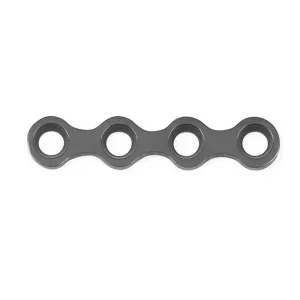
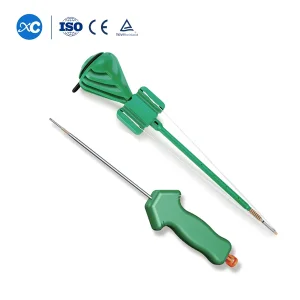
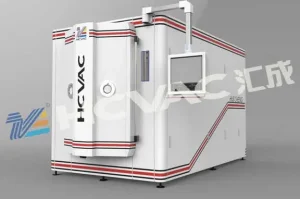
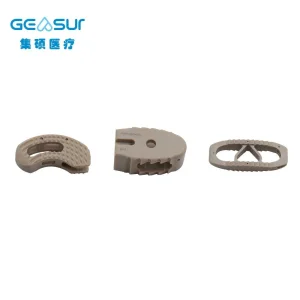
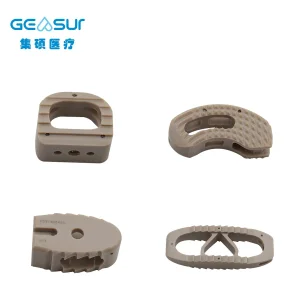
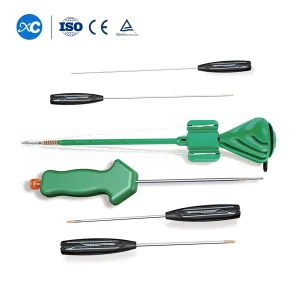
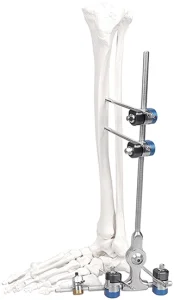
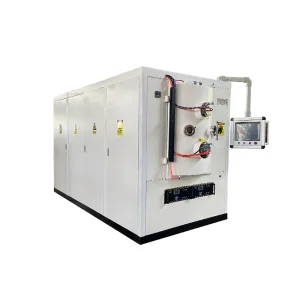
Translating scientific breakthroughs into clinical safety indicators across international orthopedic departments.
Year Founded
Exporting Countries
Top-Tier Teaching Hospitals
Intellectual Property Certificates
Global Strategic Agents
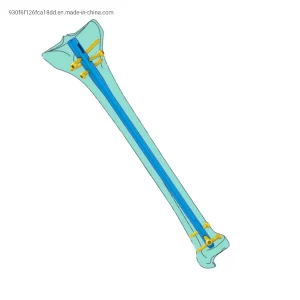
In modern osteosynthesis and trauma fixation, intramedullary nail (IMN) systems represent the gold standard for stabilizing diaphyseal fractures of long bones. By acting as an internal splint, these systems share loads with the cortical bone, allowing early weight-bearing and accelerating osteological remodeling. However, manufacturing these high-precision implant assemblies requires strict compliance with international regulatory bodies, particularly in relation to the European Medical Device Regulation (EU MDR) and CE certification guidelines.
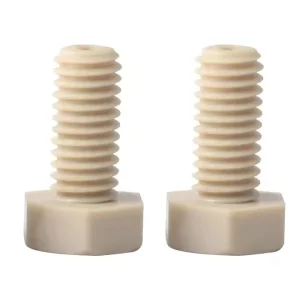
Our structural designs are engineered specifically to balance structural rigidity with biological elasticity. Using high-grade medical titanium alloys (Ti-6Al-4V ELI) and superior implantable polymers like PEEK, our product lines minimize the stress shielding effect while maximizing fatigue life. In pediatric orthopedics and limb reconstructive surgery, custom-tailored geometries allow orthopedic surgeons to resolve complex deformities through less invasive approaches.
The global orthopedic implant market has shifted from passive mechanical fixation to active biological osteointegration. Traditional stainless steel (316L) remains key for temporary configurations, but medical titanium and advanced polymers now dominate permanent reconstruction applications. PEEK (Polyetheretherketone) is highly valued for its radiolucency, allowing clear postoperative radiographical evaluation without metallic artifacts, and its elastic modulus closely resembles human cortical bone.
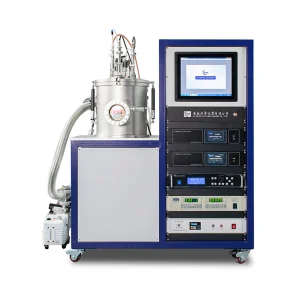
Concurrently, surface modification has become a major differentiator. Technologies like Magnetron Sputtering and PVD Ion Deposition Systems coat titanium implants and surgical instrumentation with ultra-hard Titanium Nitride (TiN) or Titanium Gold thin films. This process reduces metal ion release, minimizes tissue adhesion, and extends the operational life of surgical instruments during complex osteotomies.
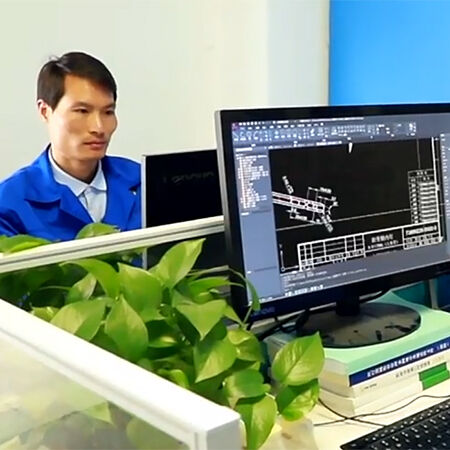
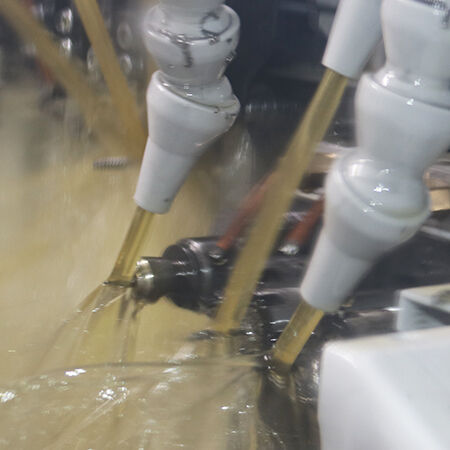
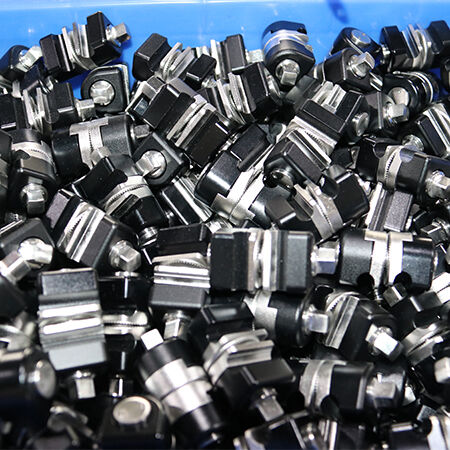
For medical distributors and healthcare purchasing organizations, securing dependable sources for CE certified implants is a complex process. Managing regulatory compliance, tracking metallurgical batches, and ensuring sterilization integrity require deep professional expertise. High-quality manufacturers must offer complete transparency, including material certificates, dynamic biomechanical fatigue test reports, and validated sterilization parameters.
We address these global demands by providing customized OEM/ODM services, localized regulatory support, and versatile instrument sets. Our product portfolio spans over 8,000 orthopedic trauma specifications, spinal implants, and related surgical instruments. This comprehensive range allows hospitals to source matching implant-instrument configurations from a single vendor, simplifying supply chains and reducing clinical error rates during surgeries.
From raw material processing to final sterile packaging, our manufacturing process complies with ISO 13485 standards to guarantee defect-free implants.
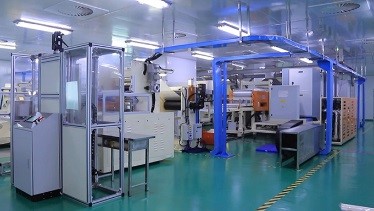
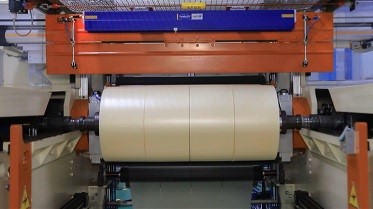
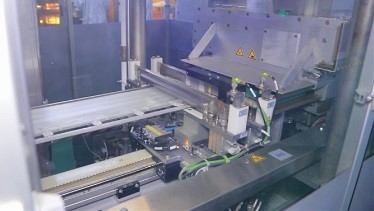
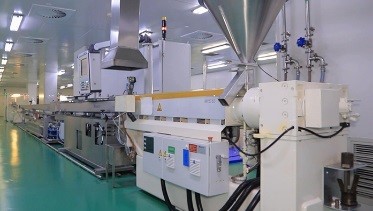
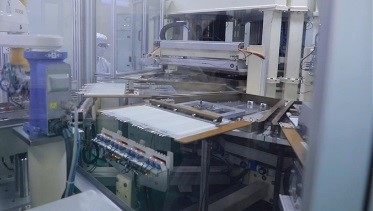
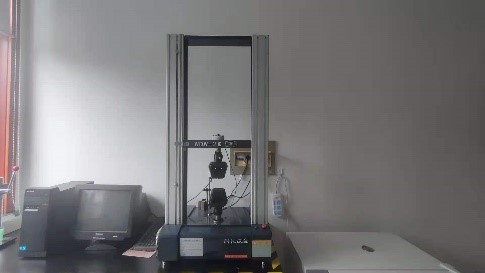
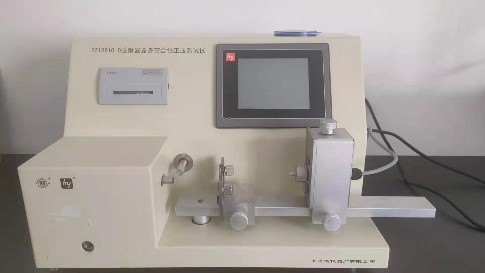
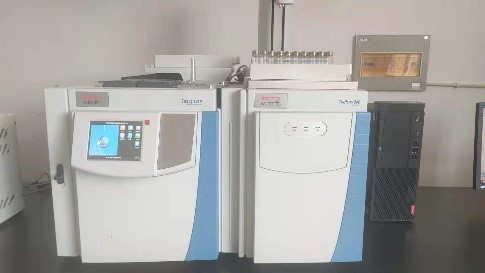
Our corporate strategy is built on differentiation, scientific innovation, and clinical specialization. We focus on limb orthopedics, pediatric orthopedics, and internal and external fixation systems for foot and ankle surgery. By concentrating our R&D resources on these specialized areas, we have secured 27 national utility model patents, 6 invention patents, and 2 software copyrights.
Our dedicated marketing and technical service teams operate across 20+ major cities, supporting a nationwide distribution network in 31 provinces. We partner with over 300 agents to serve more than 365 top-tier teaching hospitals. By hosting and participating in over 50 academic conferences annually, we ensure our R&D roadmap is continuously informed by the real-world clinical experiences of orthopedic surgeons.
Looking ahead, the development of intramedullary fixation is moving toward smart, customizable, and bioactive systems. Our engineering departments are currently focused on three core areas:
Detailed technical answers addressing common inquiries from orthopedic surgeons, QA directors, and medical device distributors.
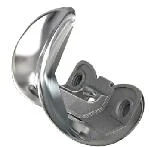
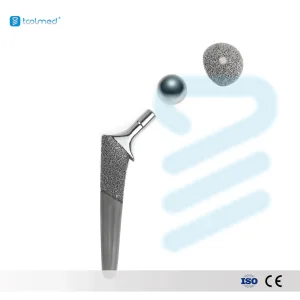
Explore our specialized clinical implants, precision fasteners, and vacuum sputtering systems.