Alur Orthopedic Implants
Alur Orthopedic Implants
Alur Orthopedic Implants
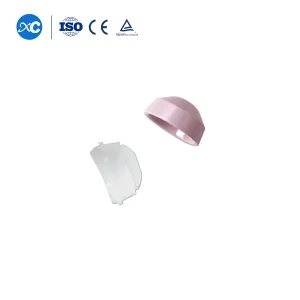
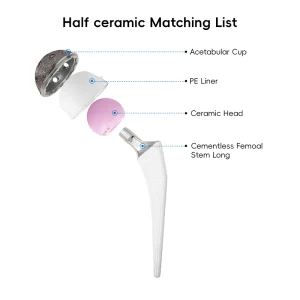
The global orthopedic implant market is witnessing a seismic shift toward advanced materials, with Ceramic Femoral Heads emerging as the gold standard for Total Hip Arthroplasty (THA). As the world faces an aging population and an increase in early-onset joint degeneration due to active lifestyles, the demand for implants that offer longevity and biocompatibility has never been higher.
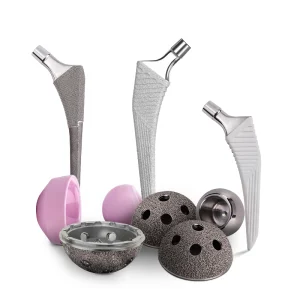
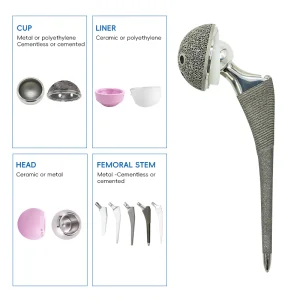
Currently, the market is dominated by the transition from traditional metal-on-polyethylene interfaces to ceramic-on-polyethylene (CoP) and ceramic-on-ceramic (CoC) bearings. Ceramics, particularly Zirconia-toughened Alumina (ZTA), offer superior hardness, ultra-low wear rates, and exceptional resistance to scratching. For manufacturers and exporters, this represents a multi-billion dollar industrial landscape focused on precision engineering and high-purity material science.
The global hip replacement market is projected to grow at a CAGR of over 5% annually, driven by emerging economies in Asia-Pacific and South America.
Transitioning from monolithic Alumina to composite ceramics like BIOLOX® delta has significantly reduced fracture risks and improved toughness.
Strategic exporters are now focusing on streamlined cold-chain and specialized packaging to ensure sterile delivery across continents.
The future of OEM/ODM Ceramic Femoral Head manufacturing is being shaped by three core pillars: Digitalization, Personalization, and Material Evolution.
1. Additive Manufacturing (3D Printing): While traditional ceramic heads are manufactured via Hot Isostatic Pressing (HIP), 3D printing is beginning to explore custom-fit femoral geometries for revision surgeries. This allows for complex internal structures that mimic bone density.
2. Bio-Active Coatings: Research is ongoing into combining ceramic durability with bioactive coatings that promote faster osseointegration at the neck interface, ensuring a more stable and permanent fit.
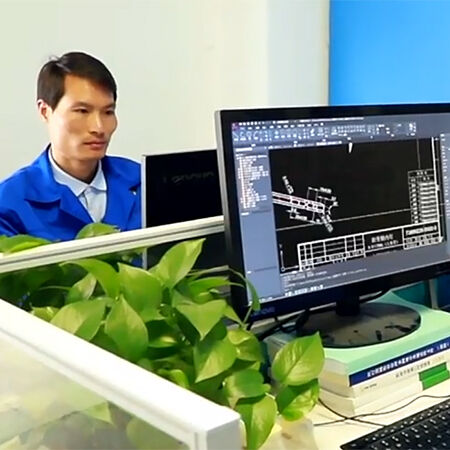
3. Smart Quality Control: Modern factories are integrating AI-driven optical inspection systems to detect micro-cracks or surface irregularities that are invisible to the human eye, ensuring a 0% failure rate for exported components.
Hospitals in North America and Europe prioritize FDA and CE-certified ceramic heads that demonstrate clinical track records of 15-20 years. Bulk procurement often focuses on a variety of neck lengths and head diameters (28mm, 32mm, 36mm).
Regional brands in Brazil or Egypt often seek ODM partners in China to manufacture components under their own brand labels, requiring flexible production lines and strict adherence to localized medical device regulations.
In high-altitude regions or developing nations, trauma systems often require femoral heads that can be integrated with universal stems, emphasizing the need for standard 12/14 taper compatibility.
As a premier Chinese factory specializing in orthopedic implants, we offer a unique blend of cost-efficiency, scale, and technical prowess. China’s supply chain for high-purity powders and precision machining has matured significantly, allowing us to deliver world-class Ceramic Femoral Heads at competitive price points.

Year Founded

Exp. Countries

Top-tier Hospitals

IP Certificates

Active Agents
The company places great importance on scientific and technological innovation, as well as new product research and development. Its product development strategy follows the principles of "blue ocean, differentiation, and focus strategy," with a strong emphasis on limb orthopedics, pediatric orthopedics, and internal and external fixation products for foot and ankle surgery. The company has obtained 27 national utility model patent certificates, 6 invention patents, and 2 software copyrights.
With a production capacity covering more than 8,000 product specifications in orthopedic trauma, spinal implants, and surgical instruments, the company has gradually established competitive advantages in research and development, production and manufacturing, quality control, marketing, and other key areas.
The marketing team consists of more than 40 professionals, with sales and technical service personnel present in over 20 major cities. The company has built a nationwide marketing network covering 31 provinces and cities, collaborating with more than 300 agents and serving over 300 top-tier teaching hospitals. It actively engages in academic promotion, technical services, and product training, participating in or hosting more than 50 academic conferences for orthopedic doctors annually.
The company's self-operated export business is also taking shape, with sales extending to countries such as Brazil, Colombia, Peru, Egypt, and Morocco.