Alur Orthopedic Implants
Alur Orthopedic Implants
Alur Orthopedic Implants
Explore our top-tier selection of medical fixation systems, micro screws, and orthopedic instruments designed for strict clinical precision.
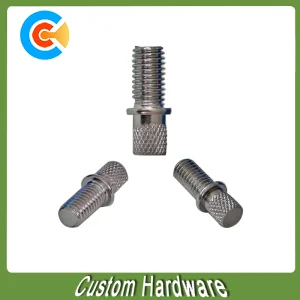
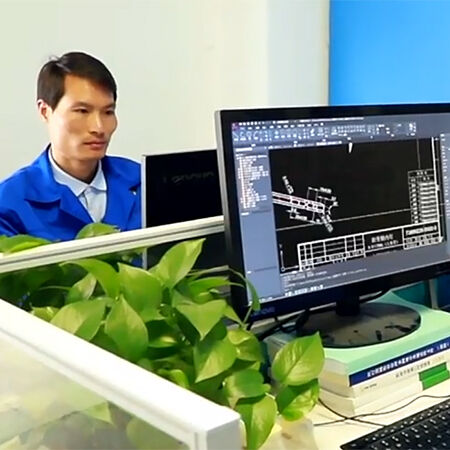
Orthopedic screws are the fundamental building blocks of internal bone fixation, performing crucial structural tasks under immense physiological stress. As professional orthopedic design engineers, our products focus heavily on improving the mechanical performance profiles of internal implants. We target core structural dynamics including torsional resistance, pull-out strength, and elastic compliance to match natural bone modulus.
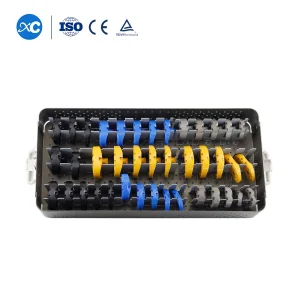
Each bone screw is manufactured to precise surgical tolerances. Cortical screws utilize fine, shallow threads along their entire length to engage maximum surface area within hard cortical bone structures. Conversely, cancellous bone screws feature deeper, wider threads to achieve robust purchase in spongy trabecular bone networks. The integration of self-tapping and self-drilling tips decreases surgical time while limiting friction-induced thermal necrosis during insertion.
By leveraging biocompatible Grade 5 Titanium Alloy (Ti-6Al-4V ELI) and high-performance polyetheretherketone (PEEK), our trauma and spinal screws maintain chemical passivity within cellular environments. Advanced anodized finishes further prevent metallurgical degradation, ensuring stable osteointegration and reducing the need for secondary implant removal procedures.
From high-impact sports trauma to delicate pediatric and spinal alignment procedures.
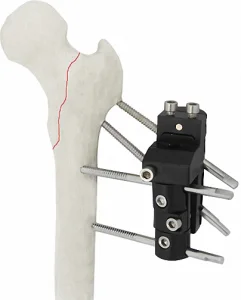
In traumatic fractures, maintaining absolute anatomical reduction is critical. Locking plates and cortical screws provide rigid stabilization for comminuted fractures of long bones, resisting shear forces during early mobilization phase.
Pedicle screw fixation forms the structural backbone for lumbar and thoracic spinal stabilization. Our low-profile pedicle screws utilize multi-axial heads to facilitate anatomical alignment in degenerative disc corrections.
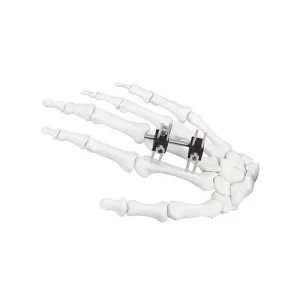
Small-joint reconstructive systems require specialized micro-screws and headless cannulated compression screws. These designs allow deep bone purchase with low-profile heads that prevent soft tissue irritation.
How we are driving the future of implant technology with material science and precision engineering.
We are investing heavily in the R&D of magnesium-based implants. These devices dissolve gradually within body fluids at a rate aligned with bone healing, eliminating secondary extraction surgeries and risk of long-term metal exposure.
Applying advanced additive manufacturing to titanium screw shafts. By texturing the implant body with biomimetic porous lattices, we encourage rapid osteoblastic migration and superior bone ingrowth directly into the implant matrix.
To mitigate Surgical Site Infections (SSIs), we are developing multi-layer nano-coatings that control the release of silver ions or antibiotic agents directly at the bone-screw interface, protecting patient health during critical recovery phases.
Our production capabilities span over 8,000 distinct product specifications across orthopedic trauma, spinal implants, and customized surgical instrumentation sets. Located in China’s medical manufacturing corridor, our facility leverages close proximity to titanium extraction centers to ensure a stable supply of raw titanium alloy bars and medical-grade polymers.
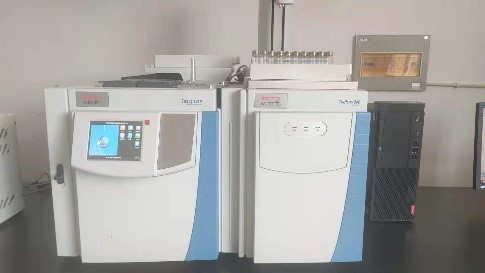
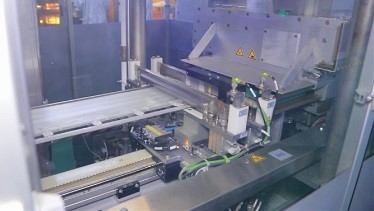
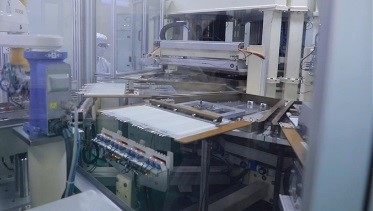
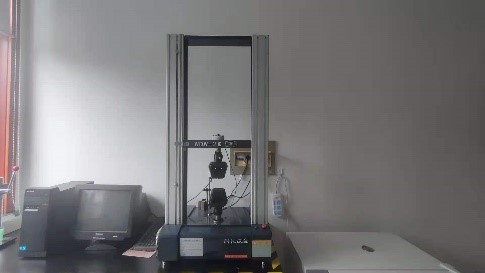
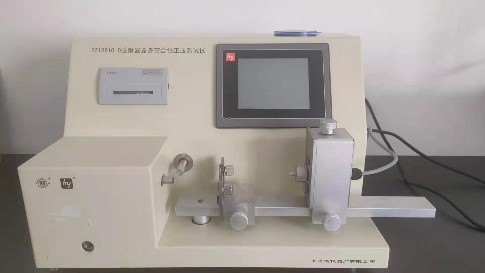
By operating modern CNC Swiss-type automatic lathes and state-of-the-art multi-axis machining cells, we deliver high dimensional accuracy. Our factory implements a continuous-monitoring quality control pipeline—subjecting products to gas chromatography, tension testers, and tightness testing. This ensures every orthopedic component meets or exceeds mechanical thresholds set by international standards.
With an experienced workforce, 27 national utility model patents, and 6 invention patents, we guarantee rapid scale-up for OEM/ODM demands. Our optimized logistics network enables efficient, secure shipments to South America, North Africa, and East Asia.
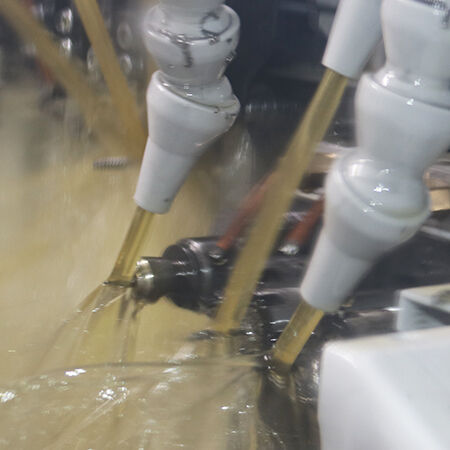
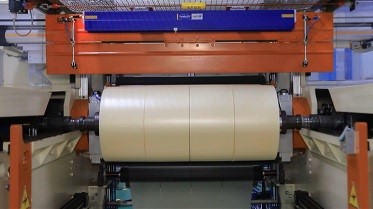
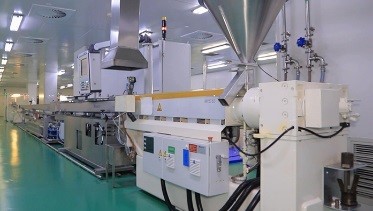
From raw polymer extrusion to ultimate chemical and mechanical validation of clinical components.
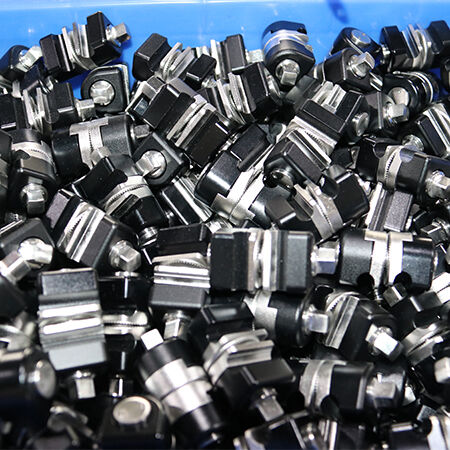
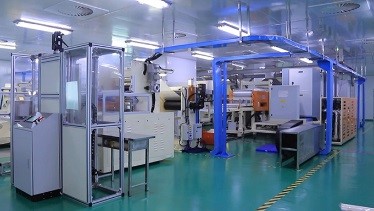
Navigating complex international medical standards to guarantee seamless regional entry.
All components undergo mechanical verification according to ASTM and ISO standards. We maintain strict compliance with ISO 13485 Quality Management Systems to ensure orthopedic implants satisfy global requirements.
Our logistics system provides real-time tracking and documentation support for dynamic markets, including Brazil (ANVISA), Colombia (INVIMA), Peru (DIGEMID), Egypt (EDA), and Morocco.
We provide surgical technique guides, detailed torque manuals, and host over 50 academic workshops annually. This ensures surgical teams have the training needed for safe implant placement.
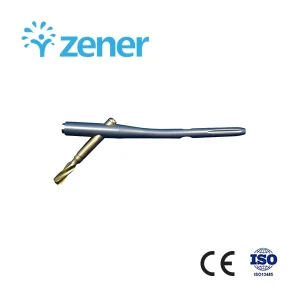
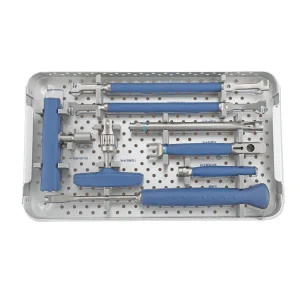
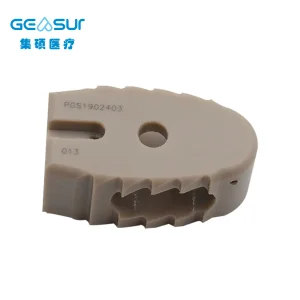
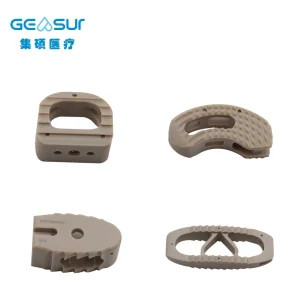
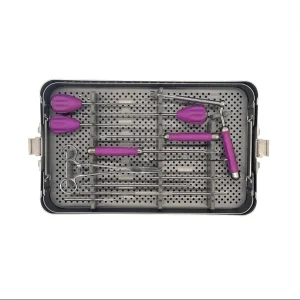
Advanced spinal alignment cages, trauma nails, and professional removal systems designed for modern operating environments.
Technical, regulatory, and logistics answers for global orthopedic distributors and medical institutions.