Alur Orthopedic Implants
Alur Orthopedic Implants
Alur Orthopedic Implants
Explore our precision-engineered implant portfolios, spinal fusion stabilization systems, and robust trauma reconstruction configurations.
The global precision screw systems domain represents a critical convergence of clinical medicine, advanced material science, and high-fidelity manufacturing. From the fixation configurations required in osteosynthesis to heavy-load industrial infrastructure fasteners, the mechanical demands of modern engineering require relentless consistency. The current international landscape emphasizes the adoption of biocompatible alloys, advanced engineering plastics (such as PEEK), and thin-film surface modification technologies like Physical Vapor Deposition (PVD).
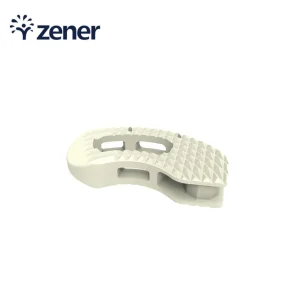
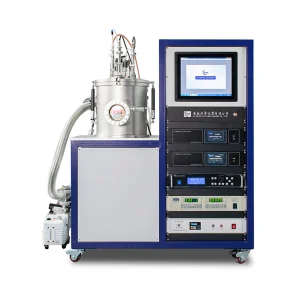
In orthopedic surgery, the optimization of screw systems focuses heavily on achieving optimal biomechanical integration. The primary mechanics govern the relationship between bone mineral density, thread pitch, and thread depth. High-precision manufacturing facilitates the fabrication of dual-thread profiles and cannulated structures, ensuring minimized bone displacement and maximized pull-out strength. Furthermore, advanced surface modifications—such as titanium sputtering on carbon-reinforced PEEK sub-structures—enhance early osseointegration, preventing long-term migration of spinal cages and trauma implants.
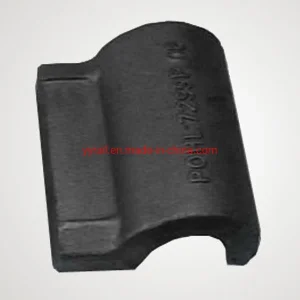
From an industrial perspective, precision screw systems serve structural functions under volatile dynamic stresses. Whether supporting the mechanical alignments of modern railway frameworks (like the Rail Iron Shoulder) or preserving electromagnetic neutrality within high-gradient MRI scan rooms through specialized 316L non-magnetic standoff hardware, these parts must resist shear stress, cyclic loading fatigue, and thermal oxidation. Modern manufacturing paradigms leverage advanced computerized numerical control (CNC) mills and multi-spindle automatic lathes to achieve micron-level dimensional repeatability.
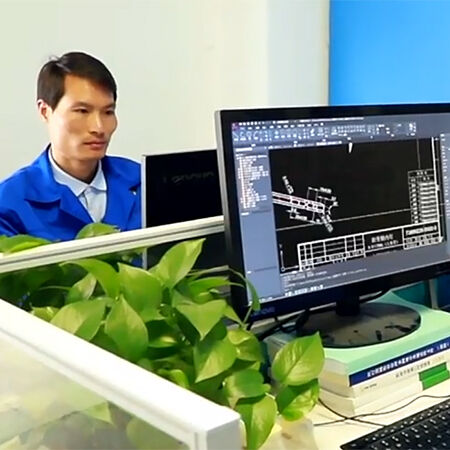
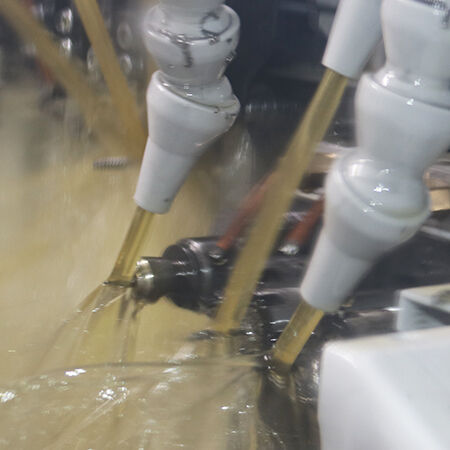
Since our founding in 2009, we have established competitive advantages in orthopedics, pediatric trauma, and foot & ankle surgical fixation instruments.
Year Founded
Exporting Countries
Top-Tier Teaching Hospitals
IP Right Certificates
Global Partners & Agents
Our overarching product development methodology implements a strict "blue ocean, differentiation, and focus strategy". By channeling research resources toward specialized therapeutic niches—specifically limb reconstruction, pediatric orthopedics, and complex foot and ankle surgery stabilization—we have secured 27 national utility model patent certificates, 6 invention patents, and 2 software copyrights.
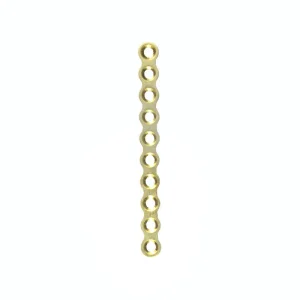
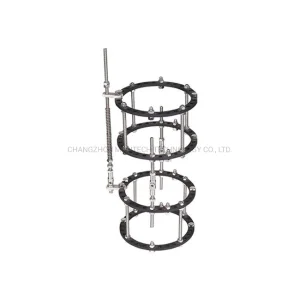
Currently, our active production capacities encompass more than 8,000 product specifications spanning orthopedic trauma kits, spinal stabilization hardware, external bone fixation frames, and dedicated surgical instrumentation. Supported by a robust marketing and technical service force of over 40 professionals, our footprint extends across 31 provinces, collaborating directly with major academic medical institutions to lead surgical skills training courses and scientific product validations.
Understanding the material performance envelopes and surface chemistry that dictate modern engineering choices.
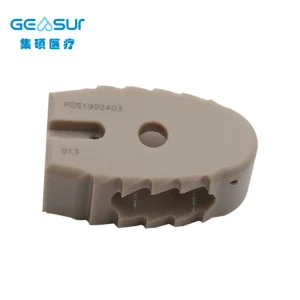
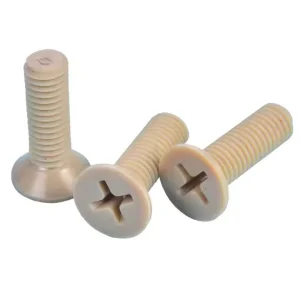
PEEK polymers offer a modulus of elasticity highly comparable to human cortical bone, reducing stress-shielding effects. Ideal for interbody cages, PEEK screws resist high-temperature sterilization and provide radiolucent characteristics for unobstructed postoperative radiographical assessment.
Offering superior fatigue limit and excellent biocompatibility, our medical grade Titanium alloy implants undergo meticulous anodization or bio-ceramic PVD sputtering, preventing metallic ion release while promoting cellular adhesion and osteoblast proliferation.
Utilizing specialized 316L non-magnetic stainless steel, we manufacture components that eliminate magnetic field disruption in MRI rooms. This ensures diagnostic scanning clarity and patient safety during high-frequency imaging procedures.
A transparent look into our vertically integrated production and diagnostic verification lines.
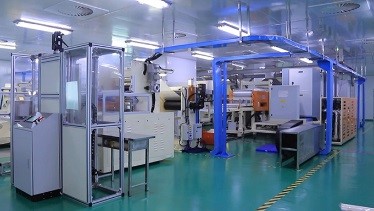
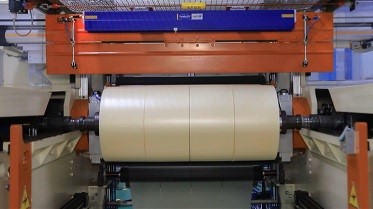
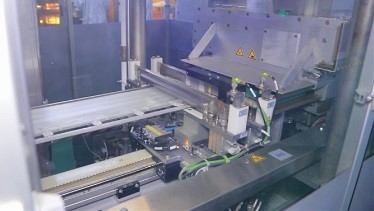
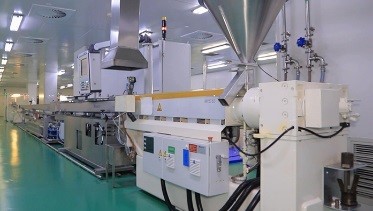
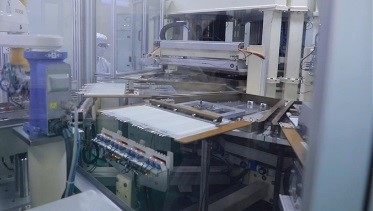
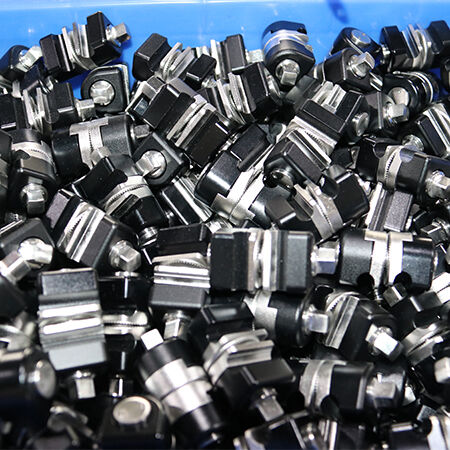
Each production batch undergoes extensive validation to meet international implant standards.
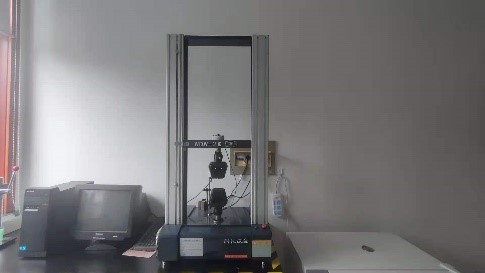
Evaluates yield strength, ultimate tensile capacity, and fatigue resistance profiles under dynamic axial loading.
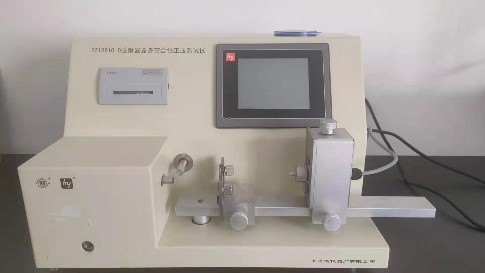
Ensures hermetic seal parameters for sterile polymer packaging and fluid-tight interface configurations.
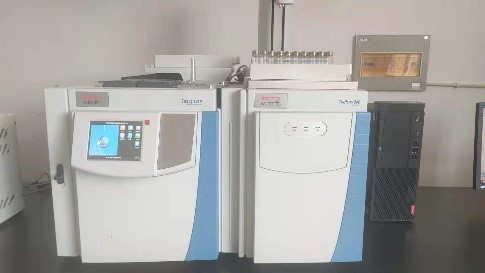
Detects and quantifies chemical trace impurities, ensuring minimal toxicological risks and complete biocompatibility.
From operating theaters to critical transport infrastructure: where precision screw mechanics are non-negotiable.
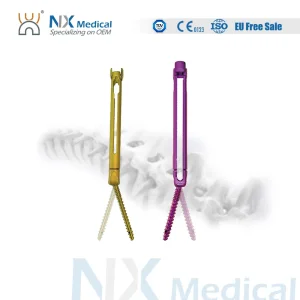
In posterior lumbar interbody fusion (PLIF) protocols, spinal pedicle screw systems stabilize segment motion. Utilizing dual-lead threads and cannulated mechanisms, these screws allow bone cement delivery directly into osteoporotic bone, securing structural stability.
Requiring low-profile geometries, our maxillofacial implant systems utilize 1.5mm to 2.0mm micro-screws. These components secure structural plates without causing soft-tissue irritation or palpable hardware issues for the patient.
High-speed rail pathways generate violent vibrations and heavy load transfers. Our Railway Iron Shoulders and concrete anchor bolts provide high fatigue resistance, maintaining rail gauge consistency across wide temperature fluctuations.
In-depth responses to critical design, metallurgical, and regulatory questions from biomedical and procurement engineers.
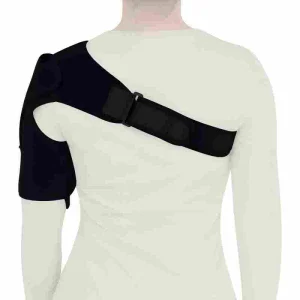
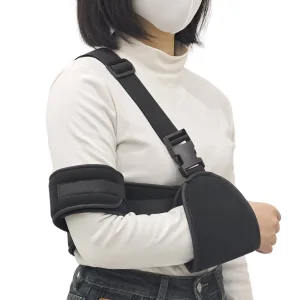
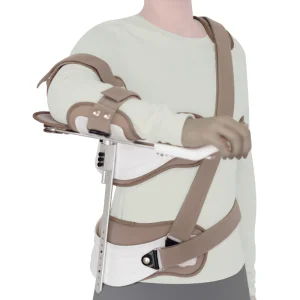
Explore our secondary portfolio featuring external fixators, specialized polymer fasteners, and orthosis supports.