Alur Orthopedic Implants
Alur Orthopedic Implants
Alur Orthopedic Implants
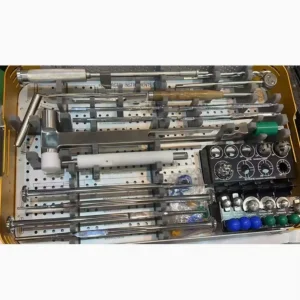
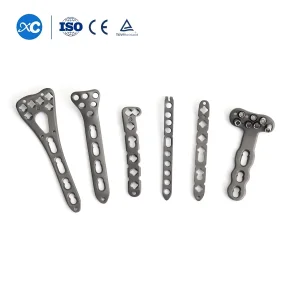
Explore our high-precision spinal fixation hardware, veterinary implants, and orthopedic surgical instrumentation portfolio.
Driving technological innovation and manufacturing excellence in spine stabilization and orthopedic surgery since 2009.
Strategic shifting from standard OEM manufacturing to high-value medical device co-development and precision biomechanical engineering.
The global demand for Spinal Stabilization Systems has experienced exponential growth over the past decade, driven by an aging global demographic, increasing incidence of degenerative spinal disorders, and rapid advancements in minimally invasive spine surgery (MISS). Modern spinal instrumentation demands unprecedented dynamic stability, anatomical compliance, and fatigue life. As healthcare providers worldwide seek cost-effective procurement solutions without compromising clinical efficacy, China has emerged as a globally recognized hub for state-of-the-art spinal implant manufacturing.
China's spine manufacturing industrial clusters integrate raw material metallurgy, micro-machining, precision surface modification, ISO cleanroom assembly, and stringent mechanical testing within highly concentrated economic zones. Today’s wholesale buyers—ranging from multinational orthopedic brands to regional medical device distributors—rely on Chinese manufacturing partners not merely for labor arbitrage, but for cutting-edge multi-axis CNC machining centers, automated quality inspection systems, and comprehensive international regulatory assistance.
Adhering to strict biomechanical standards including ASTM F1717 and ASTM F2193 for static, dynamic, and fatigue performance.
Utilizing high-grade Medical Titanium Alloy (Ti-6Al-4V ELI / ISO 5832-3) and radiolucent PEEK polymers. Microstructure purity ensures exceptional fatigue life under complex torsional and compressive stress cycles.
Screws engineered with a ±25° to ±30° cone angle of articulation, giving spine surgeons optimal intraoperative flexibility and reducing stress concentration on pedicle walls during reduction.
Patented set-screw thread patterns designed to prevent thread splaying and reverse-threading, guaranteeing uniform locking torque during construct tightening.
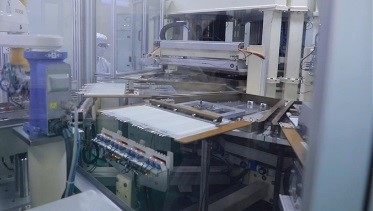
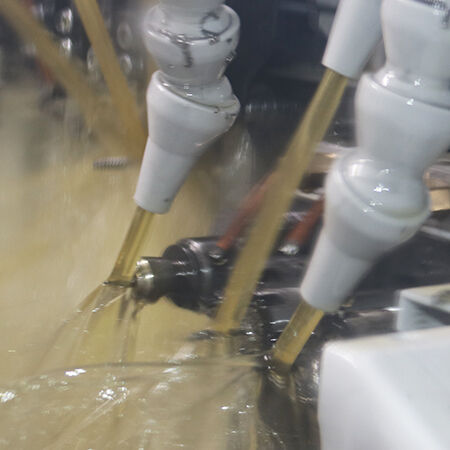
Step-by-step physical processing and cleanroom controls ensuring zero contamination and tight manufacturing tolerances.
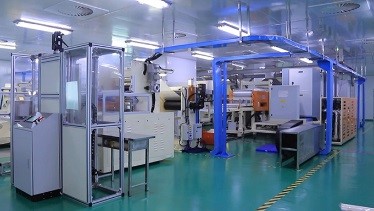
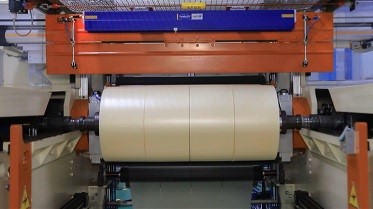
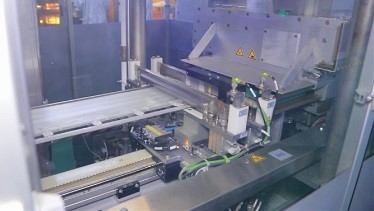
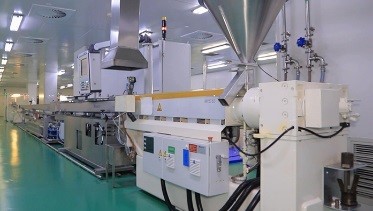
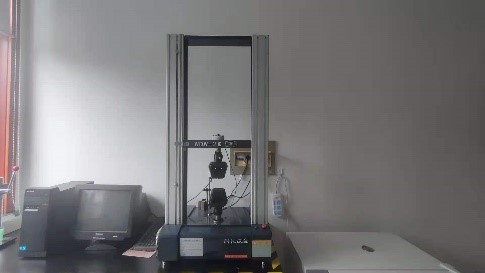
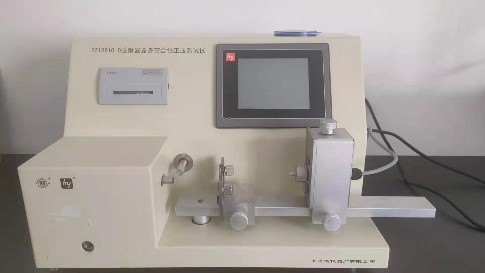
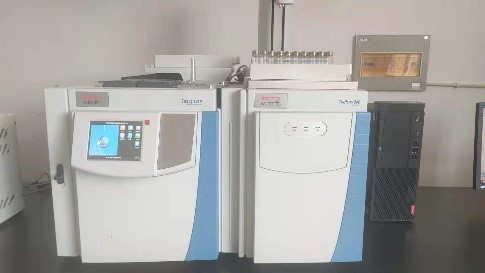
Fully equipped analytical testing center validating bio-compatibility, seal integrity, and mechanical stress resilience.
Bridging mechanical engineering and clinical surgery through academic partnerships and IP innovation.
The company places paramount importance on scientific innovation and modern bio-engineering research. Our patent portfolio includes 27 national utility model patent certificates, 6 invention patents, and 2 software copyrights, representing decades of dedicated research into implant micro-geometries and surgical instrument usability.
Supported by a dedicated marketing and technical team of over 40 professionals across 20 major cities, our direct service network extends through 31 provinces and autonomous regions. We collaborate actively with more than 300 tier-one distributors and supply over 365 top-tier teaching hospitals nationwide.
We actively participate in clinical exchange and technical education, hosting or sponsoring more than 50 academic conferences and cadaveric workshops annually for spine surgeons and orthopedic specialists to refine surgical technique and advance implant design.
On an international scale, our self-operated export network continues to expand rapidly. We currently maintain strong commercial presences across South America, Africa, and the Middle East—supplying regulatory-compliant spinal implants to partner institutions in Brazil, Colombia, Peru, Egypt, Morocco, and beyond.
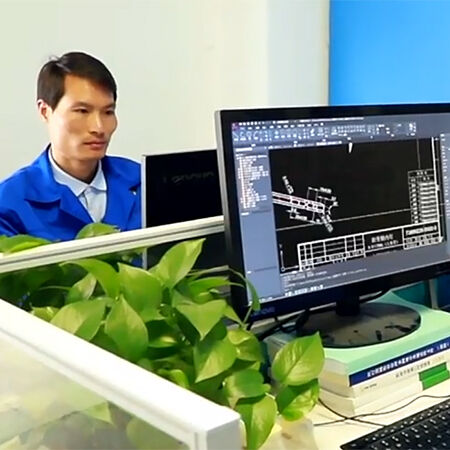
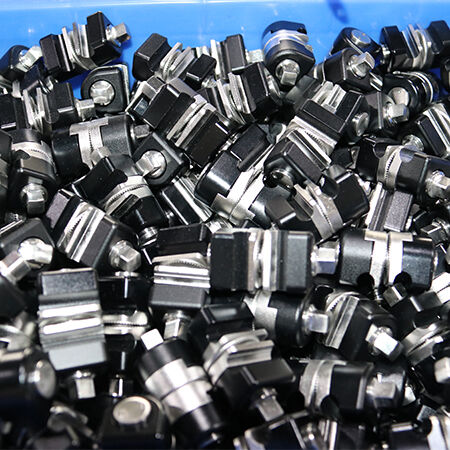
Direct view into our ISO certified production environment and quality assurance divisions.
Empowering medical device brands and hospital tenders with streamlined OEM/ODM pathways and international certification dossiers.
Navigating global regulatory bodies requires flawless documentation. We provide complete technical dossiers including ISO 13485 audit reports, biocompatibility test results (ISO 10993), sterilization validation protocols (ISO 11135 / ISO 11137), and CE MDR / FDA 510(k) supporting data to expedite regional market registration.
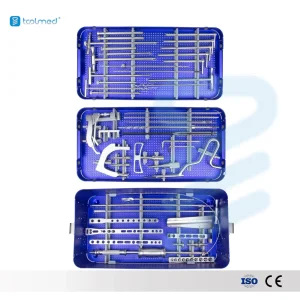
For international buyers requiring customized thread profiles, low-profile screw heads, specialized surface textures, or tailored instrument trays, our engineering department provides rapid CAD design, 3D prototype printing, and short-run production validation within strict lead-time parameters.
Different clinical regions exhibit unique anatomical traits and procurement constraints. Our manufacturing strategy incorporates modular system kits tailored specifically to Latin American, MENA, and Southeast Asian market requirements. By offering customizable tray configurations and bilingual surgical technique guides, we streamline local clinical adoption and reduce inventory holding costs for international distributors.
Adapting to 3D printing additive manufacturing, navigation-integrated tooling, and minimally invasive expandable constructs.
Additive manufacturing utilizing selective laser melting (SLM) enables titanium interbody cages with biomimetic trabecular structures, facilitating direct bone ingrowth and accelerating fusion rates compared to traditional smooth surfaces.
Next-generation pedicle screw systems are engineered with optical and electromagnetic tracking markers. High concentricity and precise instrument tolerances allow seamless integration with surgical robotic platforms and intraoperative CT guidance systems.
Minimally invasive expandable interbody devices allow insertion through smaller anatomical windows, expanding in-situ to restore disc height and lordosis while minimizing nerve root retraction and tissue trauma.
In-depth answers for medical device purchasers, OEM partners, and clinical distributors.
Our spinal screws, rods, and cross-links are manufactured primarily from high-grade Medical Titanium Alloy (Ti-6Al-4V ELI conforming to ASTM F136 / ISO 5832-3). For interbody fusion devices, we utilize both titanium and PEEK-OPTIMA polymers, providing excellent radiolucency and elastic modulus properties matching human cortical bone.
We offer turnkey OEM and ODM services. From custom CAD modification and prototype manufacturing to laser-etching brand logos, custom anodization colors, and private-label cleanroom packaging, our team supports clients through every stage of production and technical file creation.
Every lot undergoes stringent mechanical testing per ASTM F1717 (Spinal Implant Constructs in a Vertebrectomy Model) including static compression bending, static torsion, and dynamic fatigue testing to 5,000,000 cycles. Material purity is tested via gas chromatography, and packaging seal strength is verified via automatic tension and bubble tightness testers.
We accommodate both options depending on importer requirements. We can supply implants pre-sterilized via Ethylene Oxide (EO) or Gamma irradiation in double-blister sterile packaging ready for OR use, or non-sterile in protective bulk packaging suitable for localized processing.
Standard inventory items can be dispatched within 7–14 days. For custom OEM orders or large volume contracts involving custom tooling, standard production lead times range from 30 to 45 business days, including full quality control testing and certificate generation.
Explore our comprehensive product lines across trauma fixation, joint reconstruction, soft tissue repair, and industrial hardware.