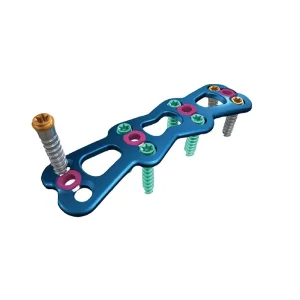
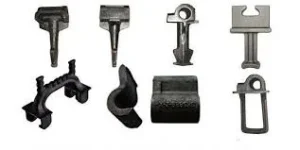
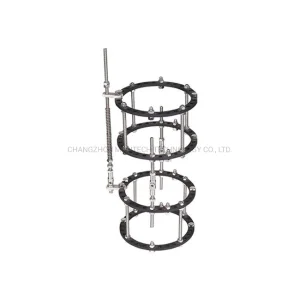
Alur Orthopedic Implants
Alur Orthopedic Implants
Alur Orthopedic Implants
Clinical-grade orthopedic and spinal components manufactured under ISO 13485 compliance to support high-accuracy surgical procedures.
Year Founded
Export Countries
Top-Tier Hospital Partners
IP & Patent Certificates
Global Distribution Agents
A Comprehensive Executive Insight into OEM/ODM Contract Manufacturing, Biocompatible Metallurgy, and Global Regulatory Harmonization.
The global landscape for surgical instrument manufacturing is undergoing a paradigm shift driven by minimally invasive surgery (MIS), robotic integration, and localized supply chain risk mitigation. Modern healthcare networks and medical device buyers demand more than standard catalog items; they require deep collaboration in scientific and technological innovation. In this complex ecosystem, strategic partners must navigate stringent international safety protocols while ensuring component miniaturization and optimal tactile feedback for clinicians.
Our operational philosophy focuses heavily on the "blue ocean, differentiation, and focus strategy," targeting high-impact clinical segments including limb orthopedics, pediatric orthopedics, and sophisticated internal/external fixation solutions for foot and ankle surgeries. With over 27 national utility model patent certificates, 6 invention patents, and 2 software copyrights, we convert scientific concepts into validated clinical systems.
For medical device procurement managers and hospital administration networks, securing product longevity and batch-to-batch consistency is paramount. With a production matrix offering more than 8,000 product specifications in orthopedic trauma, spinal implants, and related surgical instruments, we establish absolute quality parity with premier tier-1 brands. Our vertically integrated footprint enables custom tool development, rapid prototyping, and scalable manufacturing under strict cleanroom conditions, reducing time-to-market for medical device OEMs worldwide.
Processing premium Titanium Alloys (Grade 5, Ti-6Al-4V ELI) and Medical Stainless Steels (316LVM) to guarantee superior fatigue resistance, bio-inertness, and high tensile strengths required for long-term implants.
Translating complex mechanical specifications into operational blueprints. From 3D CAD modeling to regulatory document drafting, we expedite design reviews and commercial manufacturing.
All implants and micro-components undergo final assembly, surface passivation, and sterile barrier packaging in environmental zones compliant with ISO class conditions.
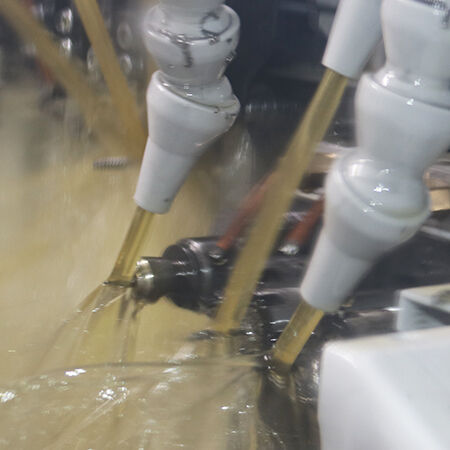
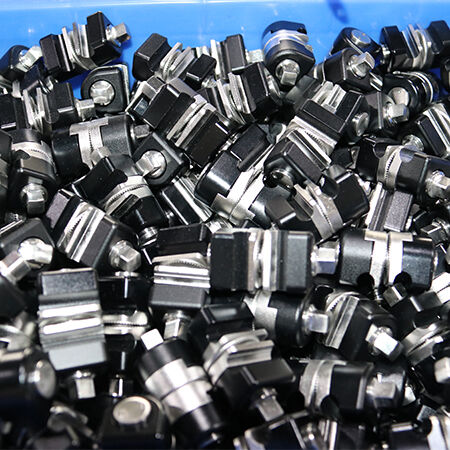
An inside look at our specialized manufacturing processes, ensuring micro-dimensional accuracy and structural integrity from raw stock to sterilization-ready items.
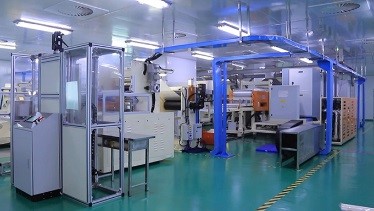
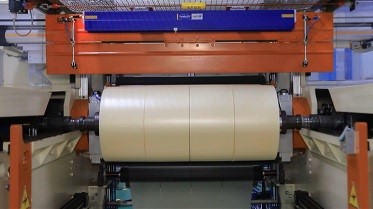
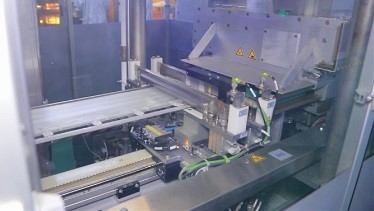
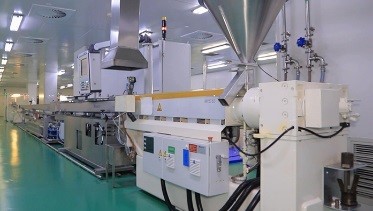
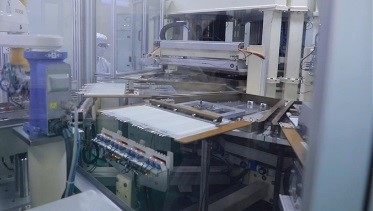
Every production batch undergoes exhaustive mechanical testing, chemical composition mapping, and biological purity validations.
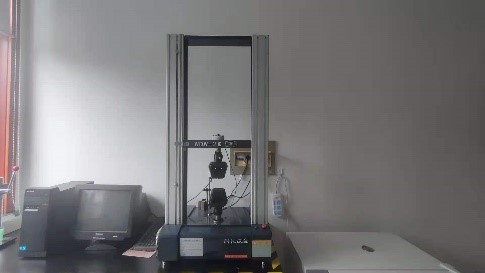
Evaluates the yield strength and fatigue cycles of implants like femur fixators and spinal plates under load to prevent intraoperative failure.
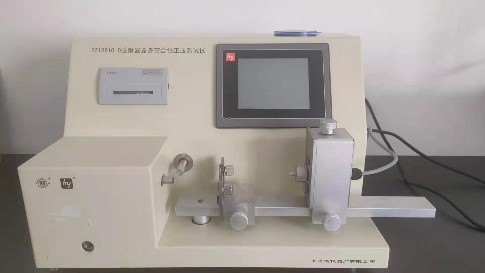
Guarantees sterile barrier packaging integrity, preventing microbial ingress during transport and storage before surgical application.
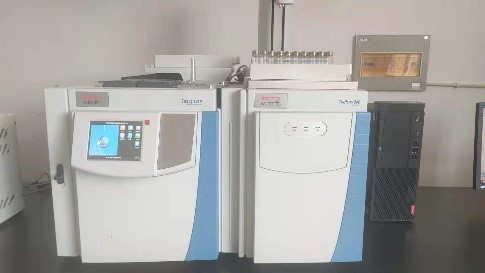
Analyzes chemical purity and volatile organic compounds to verify that zero residual industrial solvents remain on clinical surfaces.
Addressing supply chain vulnerability, local regulatory variations, and life-cycle clinical support.
Operating a clinical device manufacturing site demands strict alignment with complex regional frameworks including US FDA 21 CFR Part 820, EU Medical Device Regulation (MDR 2017/745), and regional registrations in Latin America (ANVISA) and Africa. By compiling and maintaining comprehensive Device Master Records (DMR) and Design History Files (DHF), we allow our global OEM partners to secure faster local approvals.
Our dedicated academic promotion team conducts over 50 educational clinical workshops annually. This feedback loop between top-tier orthopedic surgeons and our design engineering department ensures that our instruments continually adapt to changing clinical techniques.
Sourcing surgical instruments is a risk-sensitive process. Our infrastructure mitigates this by maintaining traceable raw material batches (with mill certificates for titanium and cobalt-chromium) and offering advanced surface modifications like anodizing, titanium nitride (TiN) coating, and acid-etched texture finishes. These treatments optimize implant osteointegration and reduce glare on instruments used in highly illuminated operating rooms.
Whether you require standard orthopedic pins or complex multi-axial pedicle screw drivers, our computerized logistics system keeps production milestones transparent, ensuring predictable lead times and robust delivery schedules.
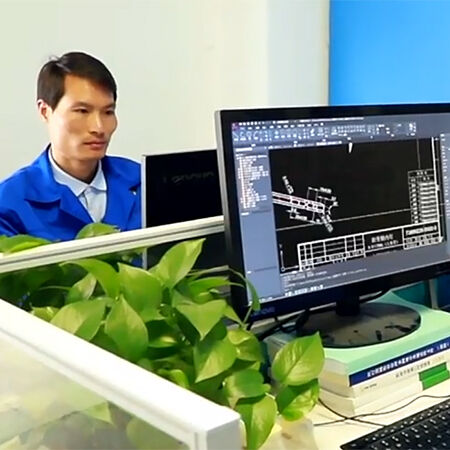
Driving advancements in surgical materials, additive manufacturing, and smart implants.
As surgical methods evolve towards personalized, computer-aided navigation and robotic-assisted surgeries, we are preparing for these future demands by investing in additive manufacturing (3D metal printing) and smart sensor technologies. These innovations will allow orthopedic implants to transmit real-time biomechanical feedback to recovery platforms.
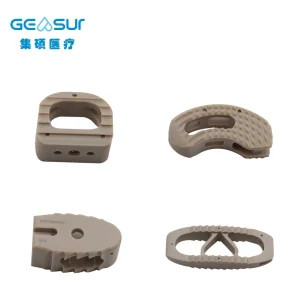
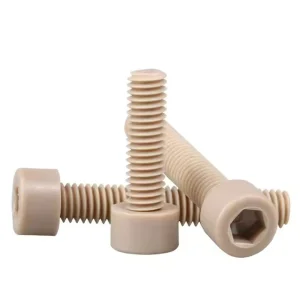
By using biocompatible polymers like Polyetheretherketone (PEEK) alongside traditional titanium, we are developing implants that mimic the elasticity of human bone, reducing stress-shielding effects. This combination of advanced material science and design engineering helps modern medical systems achieve better patient outcomes while keeping production efficient and scalable.
High-durability implants and precision hardware designed for complex joint reconstruction and trauma stabilization.
Key technical answers for procurement directors, product managers, and engineering teams partnering with us for custom surgical instrument manufacturing.
We operate under ISO 13485 quality systems, maintaining full raw material traceability from stock ingot to finished, packaged product. Our facility features ISO Class 7 cleanrooms, and we hold 30+ intellectual property rights, including 27 national utility model patents and 6 invention patents.
We work with medical-grade biocompatible metals and engineering plastics, including Titanium Alloy (Ti-6Al-4V ELI / ASTM F136), Medical Stainless Steel (316LVM / ASTM F138), Cobalt-Chromium (CoCr), Polyetheretherketone (PEEK), and medical-grade silicones. All materials include mill test certificates.
Upon CAD design approval, initial metal prototypes typically take 3 to 6 weeks, depending on component complexity. Our internal processes—including CNC milling, wire EDM, laser welding, and mechanical validation testing—help accelerate the development cycle.
Our ISO cleanrooms handle ultrasonic cleaning, final assembly, and vacuum-sealed sterile barrier packaging. We prepare devices for gamma radiation or Ethylene Oxide (EtO) sterilization, using gas chromatography to confirm zero residual VOC emissions before shipment.
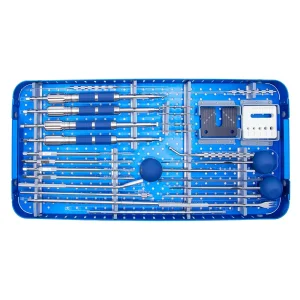
Yes, we offer laser etching for high-contrast UDI (Unique Device Identification) markings, batch serial numbers, and custom logos. We also customize sterilization tray assemblies and surgical kit cases to meet your specific distribution branding requirements.
We conduct static and dynamic fatigue tests (such as ASTM F1717 for spinal constructs) using our calibrated tension testers. We also perform tightness tests to confirm packaging integrity, and spectrophotometry to verify passivation quality.