Alur Orthopedic Implants
Alur Orthopedic Implants
Alur Orthopedic Implants
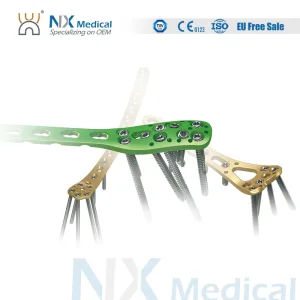
Engineered for precision, stability, and maximum clinical efficacy across various trauma and reconstructive surgeries.
Established as a forward-looking manufacturer, our facility prioritizes continuous scientific innovation and meticulous quality control. Following a product development matrix of "blue ocean, differentiation, and focus strategy," our R&D roadmap focuses intensely on high-demand, high-performance fields: limb orthopedics, pediatric orthopedics, and dedicated internal/external fixation systems for complex foot and ankle surgeries.
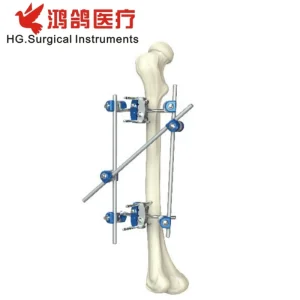
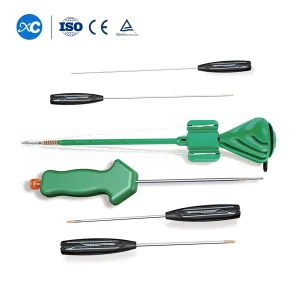
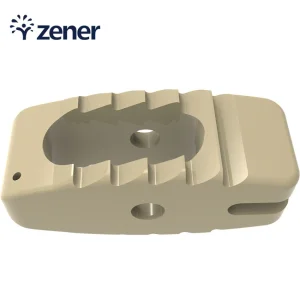
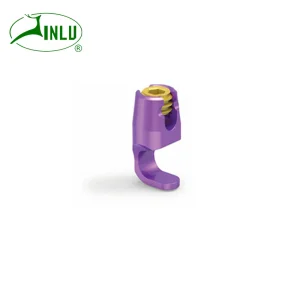
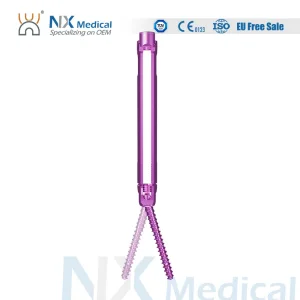
By leveraging an expert research team alongside cutting-edge laboratory testing, we have built a catalog spanning more than 8,000 orthopedic product specifications. This expansive capacity encompasses orthopedic trauma fixation, spinal fusion implants, and ergonomic surgical instrumentation kits, facilitating seamless care from diagnosis to rehabilitation.
Our commitment to proprietary development is backed by 27 national utility model patent certificates, 6 invention patents, and 2 core software copyrights. We continuously collaborate with surgeons and clinical institutes to translate physiological needs into high-grade medical realities.
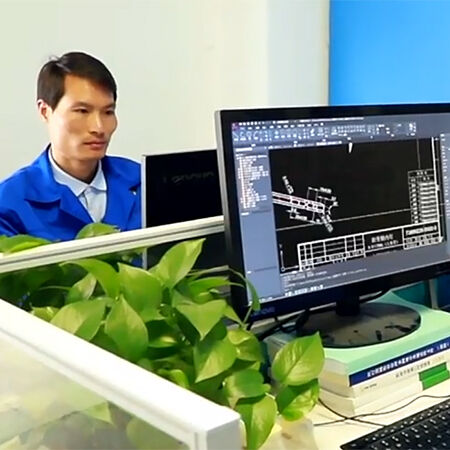
Discover how our vertically integrated production lines guarantee raw material consistency, extreme precision, and competitive scalability.
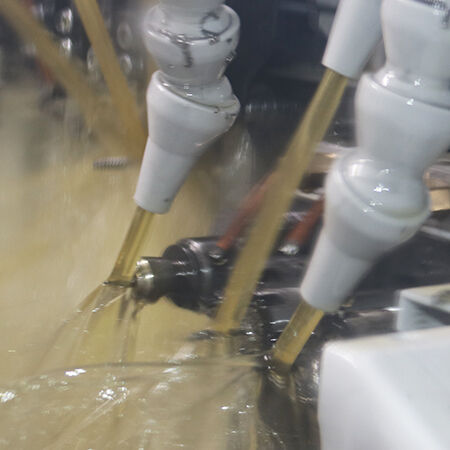
Operating a medical factory requires absolute control over basic metallurgical properties. We source premier-grade titanium alloys (Ti-6Al-4V ELI) compliant with ASTM F136 standards and medical PEEK (polyetheretherketone) to ensure optimal biocompatibility, corrosion resistance, and modulus of elasticity. By centralizing raw material sourcing, automated machining, and biological testing in one location, we reduce overhead and streamline production times.
Our facility ensures scalability through multi-axis CNC machines and automated Swiss-type lathes. This combination of precision engineering and scale allows us to fulfill custom, high-volume OEM/ODM orders while keeping lead times short and maintaining strict traceabilities.
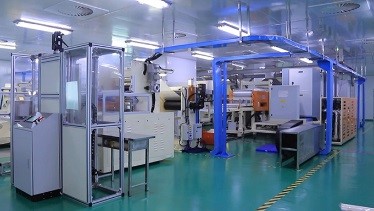
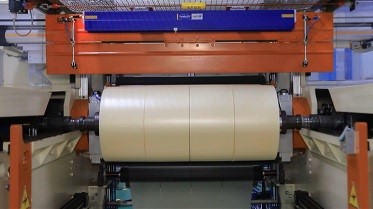
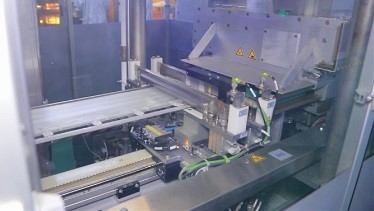
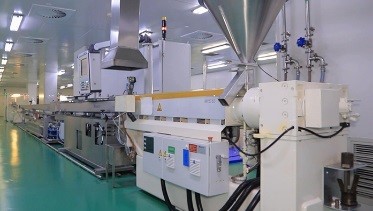
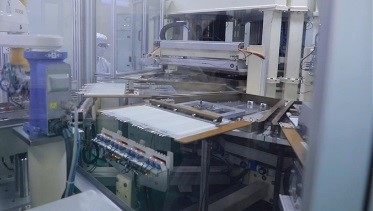
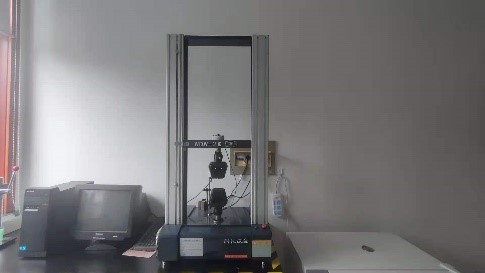
Every single orthopedic implant and surgical kit undergoes exhaustive mechanical stress tests and chemical validation prior to dispatch.
Our tension testers subject trauma plates and locking screws to extreme mechanical fatigue. This helps determine maximum yield strength and ensures reliability under structural load in orthopedic applications.
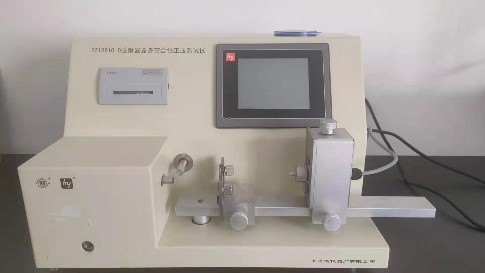
Using pressurized leak detection chambers, sterile barriers and fluid paths are rigorously analyzed to prevent any structural breakdown or microbial penetration during handling.
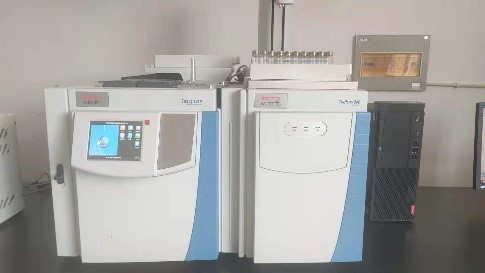
We use gas chromatography to verify clean air indices and measure residual ethylene oxide (EO) sterilization limits. This guarantees safety profiles that comfortably exceed medical-grade requirements.
Navigating different regulatory frameworks is a key factor when purchasing surgical tools. We actively maintain certificates across multiple global jurisdictions to keep regulatory delays to a minimum. Our quality management system conforms to ISO 13485, and our products carry CE marking, providing full traceability from raw materials to sterilizable surgical packs.
Understanding regional medical setups is vital for our international distribution network. For instance, European medical units require strict MDR-compliant technical files and unique device identification (UDI), while distributors in South America and North Africa look for flexible registration dossiers. We assist local agents with comprehensive registration files, local bioburden compliance documentation, and language-specific packaging to ensure streamlined market entry.
Rigorous material data documentation, UDI traceability, and biocompatibility verification.
Fast-track documentation submission support, regulatory registration files, and localized shipping.
The surgical industry is evolving rapidly, shifting toward patient-specific solutions, minimally invasive procedures, and smart materials.
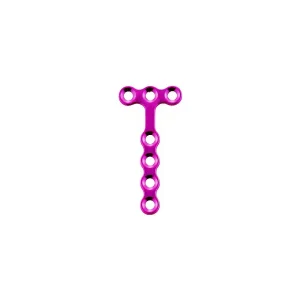
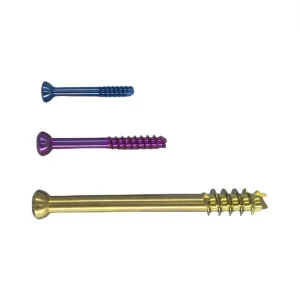
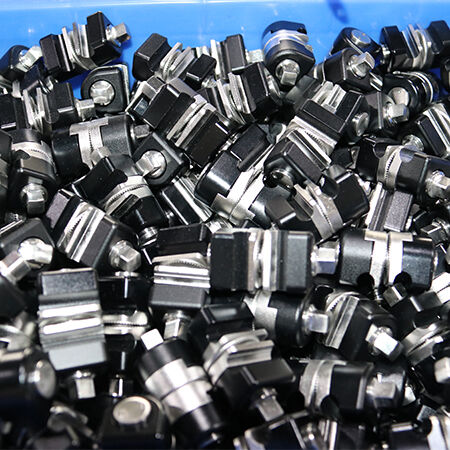
Modern surgical techniques prioritize small incisions to shorten patient recovery times and minimize tissue disruption. Our cannulated screws, specialized pedicle systems, and low-profile mini plates are specifically engineered to support MIS approaches.
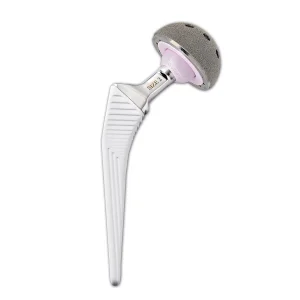
We leverage advanced surface treatment technologies, including anodizing and titanium plasma spray coatings, to enhance biocompatibility and promote rapid osseointegration for spinal fusion and hip arthroplasty implants.
To reduce risk of hospital-acquired infections and save reprocessing costs, global procurement is shifting toward sterile, pre-packaged, patient-specific instrument and implant combinations.
Get detailed answers on regulatory compliance, custom manufacturing, logistics, and quality assurance processes.
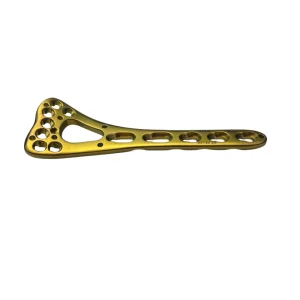
Explore our line of orthopedic spinal systems, variable-angle bone locking plates, and custom surgical instruments.