Alur Orthopedic Implants
Alur Orthopedic Implants
Alur Orthopedic Implants
Explore our top-tier orthopedic trauma, external fixation, and soft tissue repair systems manufactured under strict CE standards.
Within modern orthopedics and sports medicine, structural reattachment of soft tissues—such as tendons, ligaments, and labral structures—to bone represents a cornerstone of functional joint recovery. Historically, transosseous tunnels dominated soft tissue reattachment surgeries. However, the introduction and refinement of suture anchor systems have revolutionized joint restoration procedures. By providing minimal incision pathways, high biomechanical pull-out resistance, and standardized, reproducible fixations, suture anchors have transformed the clinical outlook of joint repairs.
Whether managing complex rotator cuff reconstructions, anterior cruciate ligament (ACL) repairs, or collateral instabilities of the ankle, the implant chosen directly dictates the postoperative rehabilitation timeline. The demand for suture anchors with enhanced mechanical stability, superior tissue biocompatibility, and ease of insertion has catalyzed extensive development in biomaterials science and micro-engineering. As a leading CE certified manufacturer, we provide clinical-grade anchors engineered for optimal bone-to-implant integration.
Choosing the right substrate is paramount in determining bone integration, local cellular response, and long-term joint integrity.
Engineered for maximum tensile strength and mechanical pull-out force. Crucial in areas of dense cortical bone and high biomechanical stress (e.g., foot, ankle, and shoulder stabilization). These anchors offer immediate, robust primary stability and high radiopacity for easy post-operative visualization under X-ray.
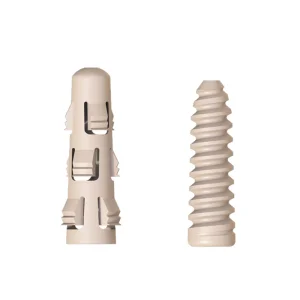
A high-performance thermoplastic displaying an elastic modulus closely matching that of human cortical bone (approx. 18 GPa). PEEK anchors minimize stress shielding and are completely radiolucent, ensuring artifact-free MRI and CT scanning. Excellent for revision cases and knotless reconstructions.
Composed of poly-L/D-lactide (PLDLA) blended with Osteoconductive Beta-Tricalcium Phosphate (β-TCP). These anchors undergo progressive degradation inside the bone, steadily replaced by native bony tissue over 18-24 months. Eliminates the long-term foreign body presence and simplifies revision surgery.
Clinical Focus: Knotless vs. Knotted Systems — Knotless fixation systems eliminate the reliance on manual arthroscopic knot-tying, preventing micro-motion and reducing soft tissue irritation while ensuring uniform tension distribution across the repair footprint.
Leveraging an integrated manufacturing pipeline to deliver sterile, surgical-grade medical devices with unmatched precision and speed.
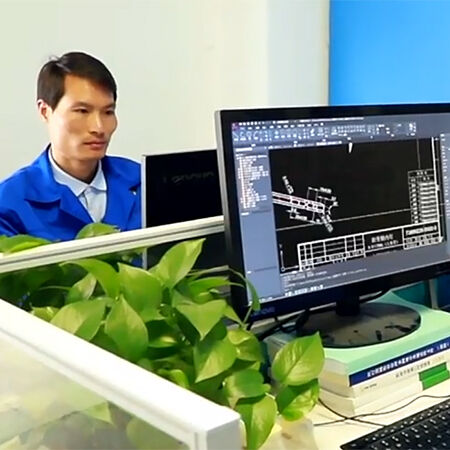
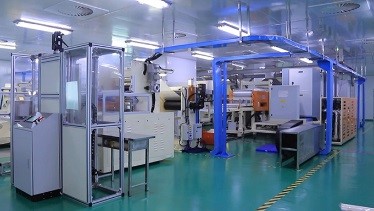
Operating a high-yield, ISO 13485-certified orthopedic manufacturing facility requires deep vertical integration. The competitive advantage of China's medical supply chain lies in the physical proximity of raw material refining (such as implant-grade Titanium bar processing), precision CAD/CAM milling, and cleanroom packaging facilities. This proximity significantly reduces lead times, mitigates international freight disruptions, and maintains tight control over physical specifications.
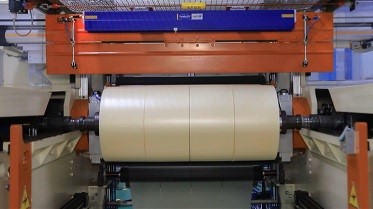
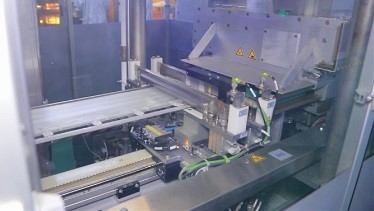
Our manufacturing complex encompasses over 8,000 product specifications in orthopedic trauma, spinal implants, and surgical instruments. By retaining complete internal ownership of the production line—from initial extrusion to terminal sterilization—we protect the supply chain against third-party inconsistencies.
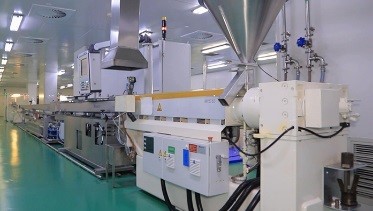
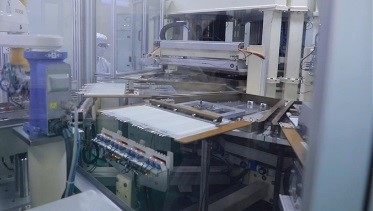
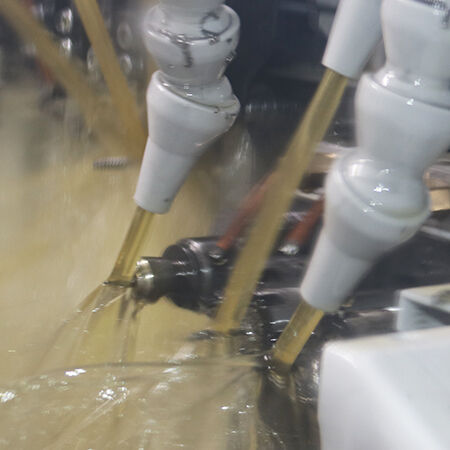
The roadmap for orthopedic suture anchor development is focused on enhancing biochemical engagement at the bone-implant boundary. Our current R&D is centered on several major engineering shifts:
By investing heavily in scientific and technological innovation, our development strategy focuses on "blue ocean, differentiation, and focus strategy." This approach has yielded 27 national utility model patent certificates, 6 invention patents, and 2 software copyrights to date.
Our comprehensive line of suture anchors and fixation implants is optimized for specific regional healthcare needs and specialized surgical indications.
Optimized for high-angle suture insertion into the glenoid rim and humeral greater tuberosity. Titanium and PEEK anchors provide the high pull-out force needed to counteract early deltoid pull, supporting early, passive range-of-motion therapy.
Specifically designed for Brostrom lateral ankle reconstructions and Achilles tendon reattachments. The small-diameter anchors allow surgeons to perform secure fixations even in environments with limited bone real estate.
Engineered for high load-bearing tibial and femoral fixation. Works in tandem with bioabsorbable interference screws to achieve compression fitment of soft-tissue autografts or allografts within drilled bone tunnels.
Our laboratory maintains continuous validation protocols to ensure every implant is delivered in a sterile, safe, and biomechanically sound state.
Safety and efficacy are verified through comprehensive biomechanical testing. The quality control process is designed to catch any physical or structural variance long before a shipment leaves the warehouse. In-house testing protocols focus on three core validation stages:
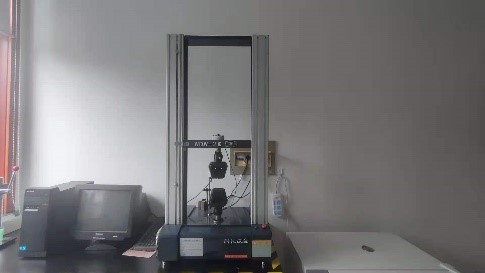
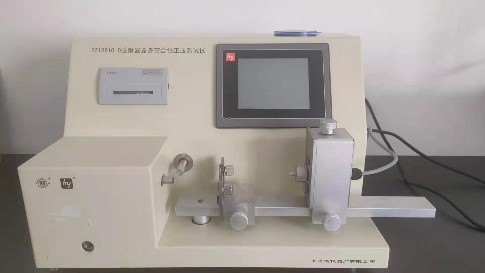
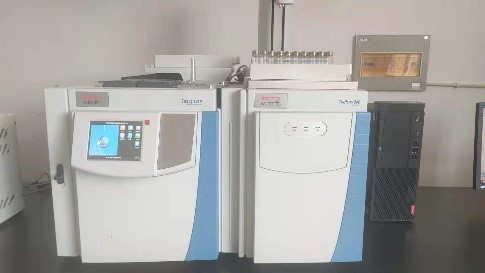
Tension Testing: Evaluates the ultimate pull-out strength (expressed in Newtons) of suture anchors inserted in synthetic bone blocks of varying densities (such as 15PCF or 20PCF polyurethane foam), mirroring osteopenic and healthy bone conditions.
Tightness Testing: Verifies the mechanical seal of our sterile blister and Tyvek packaging, guaranteeing that the sterile barrier is maintained across varying elevations and shipping pressures during international transport.
Gas Chromatography: Ensures that ethylene oxide (EtO) sterilant residues are well below international limits (such as ISO 10993-7 thresholds), preventing any local chemical irritation post-implantation.
From academic training to rapid logistics, we support surgical teams and distribution partners worldwide.
With an export network active across South America, Africa, and the Middle East, we routinely supply partners in Brazil, Colombia, Peru, Egypt, and Morocco. Our export logistics operations are structured to coordinate all shipping, customs clearance documentation, and regulatory submissions (including CE certificates, free-sale certificates, and technical documentation dossiers).
Beyond logistics, we maintain a dedicated technical team of over 40 professionals across 20 major hubs, collaborating with more than 300 regional agents to serve 300+ top-tier hospitals. We support our network by hosting and participating in over 50 academic conferences and practical hands-on workshops annually. This educational focus ensures surgeons are fully proficient in using our latest trauma systems, external fixators, and suture anchor devices.
Addressing common clinical, technical, and procurement queries from surgeons, distributors, and purchasing departments.
Browse our selection of specialized plates, bone screws, reconstruction kits, and related surgical instruments.