Alur Orthopedic Implants
Alur Orthopedic Implants
Alur Orthopedic Implants
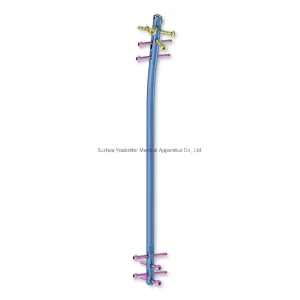
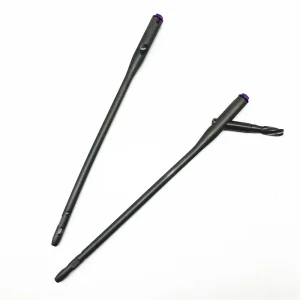
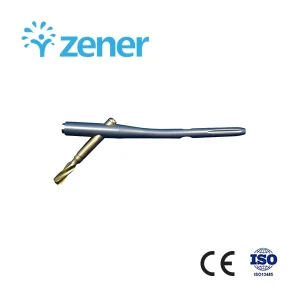
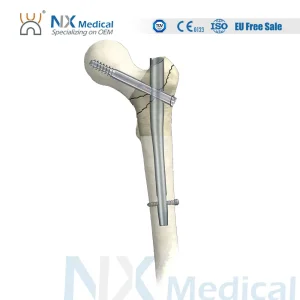
High-performance intramedullary interlocking nails for proximal femoral fractures.
Analyzing the evolution of intramedullary fixation and its role in modern orthopedics.
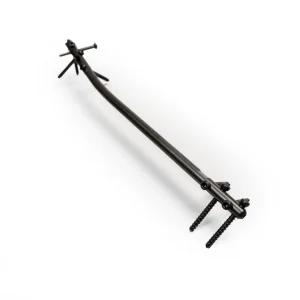
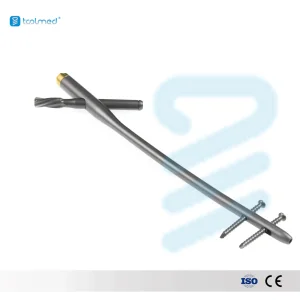
The global orthopedic implant market has witnessed a paradigm shift with the rise of the Gamma Nail System. Originally designed to treat trochanteric fractures, the Gamma Nail has evolved into its third and fourth generations, integrating features like the Proximal Femoral Nail Antirotation (PFNA). This technology is critical in an era characterized by an aging global population, where hip fractures are becoming more prevalent. Current industrial trends suggest a move toward minimally invasive surgical (MIS) techniques, which reduce recovery time and blood loss, making the intramedullary nail a preferred choice over traditional plating.
Global procurement demands are increasingly focusing on material science. Surgeons and hospitals are demanding medical-grade Titanium alloys (Ti6Al4V ELI) for their superior biocompatibility and fatigue resistance. Suppliers in the "Top 10" category are not just manufacturers but partners who provide comprehensive instrument sets, ensuring that the surgical workflow is seamless. In regions like North America and Europe, the focus is on robotic-compatible implants, while in emerging markets across Southeast Asia and Africa, the demand is for high-quality, cost-effective solutions that meet CE and ISO standards.
Our position as a leading Chinese factory allows us to bridge the gap between high-end innovation and large-scale affordability. By leveraging AI-integrated CNC machining and automated quality inspection, we ensure that every Gamma Nail meets the rigorous requirements of international trauma centers. The shift toward digital health also means that suppliers must now offer better traceability and digital documentation for every batch produced.
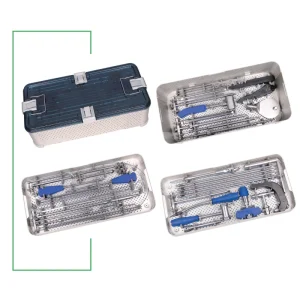
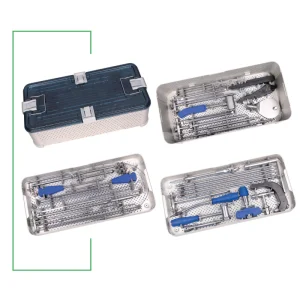
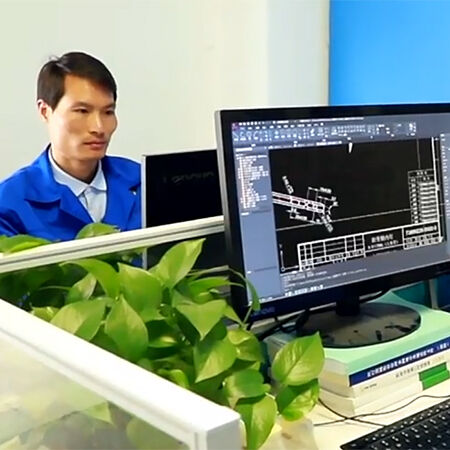
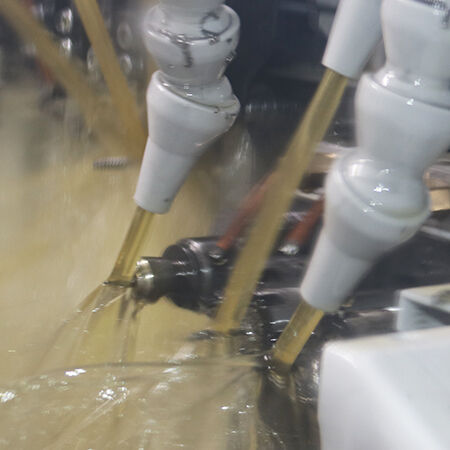
Utilizing Swiss-type CNC lathes and 5-axis machining centers to achieve micron-level accuracy for interlocking mechanisms.
Exclusive use of high-strength Titanium and Cobalt-Chrome alloys tested for long-term intraosseous stability.
Fully certified under CE, ISO 13485, and FDA guidelines, supporting seamless entry into over 32 international markets.
Strategic growth through research, differentiation, and pediatric-focused orthopedic solutions.
The company places great importance on scientific and technological innovation, as well as new product research and development. Its product development strategy follows the principles of "blue ocean, differentiation, and focus strategy," with a strong emphasis on limb orthopedics, pediatric orthopedics, and internal and external fixation products for foot and ankle surgery.
With a production capacity covering more than 8,000 product specifications in orthopedic trauma, spinal implants, and surgical instruments, the company has gradually established competitive advantages in research and development, production and manufacturing, quality control, marketing, and other key areas. We understand that local application scenarios vary—from high-energy trauma in young patients to osteoporotic fractures in the elderly—and our diverse catalog reflects this versatility.
The marketing team consists of more than 40 professionals, with sales and technical service personnel present in over 20 major cities. The company has built a nationwide marketing network covering 31 provinces and cities, collaborating with more than 300 agents and serving over 300 top-tier teaching hospitals. It actively engages in academic promotion, technical services, and product training, participating in or hosting more than 50 academic conferences for orthopedic doctors annually. Our self-operated export business is also taking shape, with sales extending to countries such as Brazil, Colombia, Peru, Egypt, and Morocco.

Year Founded

Exp. Country

Top Hospitals

IP Patents

Agents
Adapting to the dynamic needs of global trauma surgery.
In high-traffic urban areas, Gamma Nails provide rapid stabilization for road accident victims, allowing for earlier weight-bearing and mobilization.
Designed for osteoporotic bone, our PFNA systems provide enhanced purchase and reduced risk of "cut-out" in elderly hip fracture patients.
Future trends include 3D-printed patient-specific guides and AI-assisted intramedullary nail distal locking, reducing radiation exposure.
The company has obtained 27 national utility model patent certificates, 6 invention patents, and 2 software copyrights. This intellectual property reflects our commitment to solving the complex biomechanical challenges associated with femoral fixation. For instance, our interlocking mechanisms are designed to prevent nail migration, a common complication in subtrochanteric fractures. By integrating clinical feedback from over 300 teaching hospitals, we continuously refine our instrument sets to be more intuitive and ergonomic.
As we look toward 2025, the demand for carbon-fiber reinforced PEEK and other radiolucent materials is rising. While Titanium remains the gold standard, our R&D department is actively exploring hybrid materials that offer even better imaging clarity during post-operative follow-ups. Whether it's a small fragment locking plate or a large-scale Gamma Nail system, our goal is to provide a comprehensive trauma solution that balances cost, quality, and clinical outcome.
Exploring our wider range of trauma and fracture fixation implants.