Alur Orthopedic Implants
Alur Orthopedic Implants
Alur Orthopedic Implants

The global orthopedic implant market is witnessing an unprecedented surge, specifically in the demand for Proximal Femoral Nails Antirotation (PFNA). As a critical component in trauma surgery, the PFNA system has become the gold standard for treating trochanteric fractures, particularly in the aging global population. Market analysis indicates that the rising incidence of osteoporosis-related hip fractures is driving the multi-billion dollar intramedullary nailing market.
From a commercial perspective, the industry is transitioning from traditional bone plates to intramedullary systems due to their biomechanical superiority. The PFNA design, featuring a helical blade rather than a traditional screw, provides significantly better compaction and rotational stability in osteoporotic bone. This technical evolution has made it a top priority for global orthopedic distributors and hospital procurement departments.
By 2050, the global population over 60 will reach 2 billion. This demographic shift directly correlates with the increased volume of proximal femur fractures requiring PFNA interventions.
Regions like Southeast Asia, Latin America, and the Middle East are rapidly modernizing their healthcare infrastructure, leading to massive procurement needs for certified trauma implants.
Integration of AI in pre-operative planning and robotic-assisted nail insertion is the latest frontier, pushing factories to produce higher precision components.
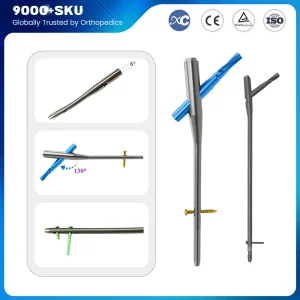
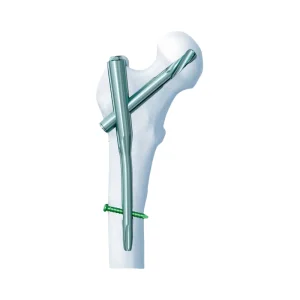
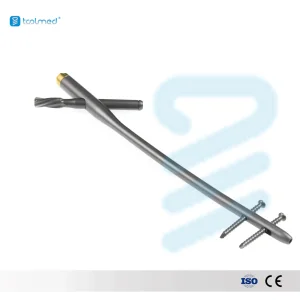
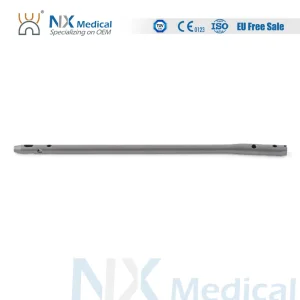
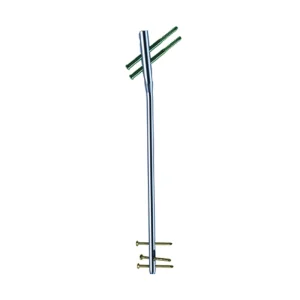
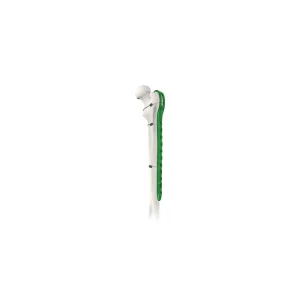
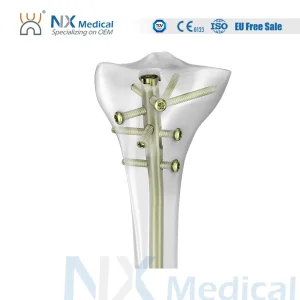
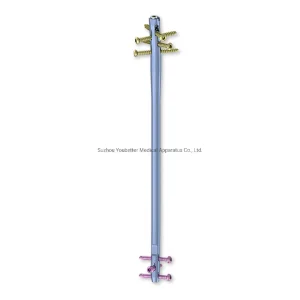
Our flagship Titanium PFNA system is engineered for the complex demands of geriatric trauma surgery. Unlike standard locking nails, this system utilizes a specialized helical blade that compresses the bone tissue during insertion, rather than removing it. This leads to enhanced "cut-out" resistance, which is the leading cause of internal fixation failure in elderly patients.
As a leading PFNA factory, we utilize medical-grade Titanium Alloy (Ti6Al4V), ensuring maximum biocompatibility and fatigue strength. The 6-degree lateral angle allows for easy insertion through the greater trochanter, minimizing surgical trauma and accelerating patient recovery times.
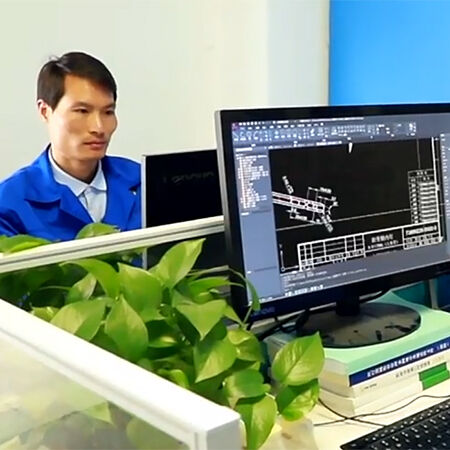
In the modern medical device sector, standing still is the same as moving backward. Our company places immense value on scientific and technological innovation. Our strategy—defined by "blue ocean, differentiation, and focus"—has led to a robust portfolio targeting limb orthopedics, pediatric trauma, and complex foot and ankle surgeries.
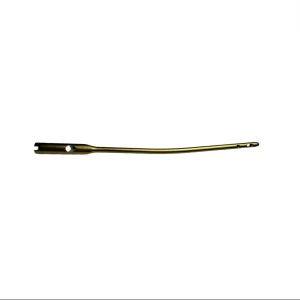
Our commitment is evidenced by our intellectual property: 27 national utility model patent certificates, 6 invention patents, and 2 software copyrights. These aren't just numbers; they represent solved clinical problems. For example, our optimized nail tips reduce stress concentration, while our advanced locking mechanisms provide surgeons with tactile feedback during critical phases of the operation.
Founded
Export Countries
Tier-1 Hospitals
IP Patents
Global Agents
Global procurement officers are increasingly looking toward China for high-quality orthopedic solutions. The shift is no longer just about cost; it's about scale, speed, and precision. As a dedicated manufacturer, we offer several distinct advantages:
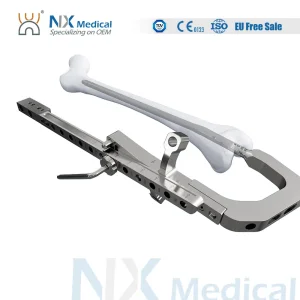
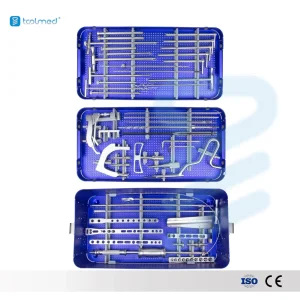
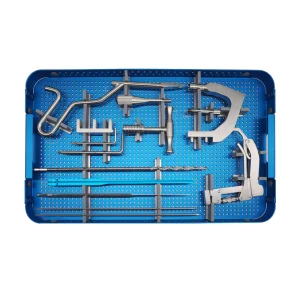
A high-quality implant is only as good as the tools used to install it. Our PFNA Surgical Instrument Sets are designed for ergonomic efficiency and long-term durability. These sets undergo rigorous stress testing to ensure intraoperative reliability. For global exporters, providing a complete system—implants plus instruments—is crucial for winning hospital contracts.
The set includes everything from the initial reamer to the final locking driver, all housed in a medical-grade sterilization tray. This integrated approach reduces "operating room time" and minimizes the risk of surgical errors.
The application of PFNA technology varies across global clinical settings. In Top-Tier Teaching Hospitals, where we serve over 365 institutions, the focus is on academic research and treating complex, multi-fragmentary fractures. In these environments, our PFNA systems are used in conjunction with C-arm imaging and advanced navigation systems.
In Regional Trauma Centers, the emphasis shifts to throughput and reliable outcomes. Surgeons value the "user-friendly" nature of our interlocking nail system, which allows for shorter learning curves and reproducible results. For Pediatric Orthopedics, we have developed specialized smaller-diameter nails to treat adolescent femoral fractures, ensuring the growth plate is protected while providing rigid fixation.
Academic promotion is at the heart of our mission. Every year, we participate in or host more than 50 academic conferences. This allows us to gather direct feedback from surgeons in Brazil, Egypt, and China, which immediately flows back into our product development cycle.
The next decade of the PFNA industry will be defined by three major trends:
While Titanium remains king, we are exploring surface coatings that promote faster osseointegration. Hydroxyapatite (HA) coatings and antimicrobial surfaces are currently in our R&D pipeline to further reduce the risk of post-operative infections and implant loosening.
With 3D printing technology, the possibility of custom-fitted intramedullary nails for complex deformities is becoming a reality. As a factory with high-tech manufacturing capabilities, we are positioned to lead this custom-implant revolution.
Smart implants equipped with micro-sensors to monitor bone healing progress are no longer science fiction. Our software copyrights are the first step toward integrating digital tracking into our orthopedic hardware systems.

Our marketing team, consisting of more than 40 professionals across 20 cities, works tirelessly to support over 300 agents globally. We are not just a factory; we are a partner in the global healthcare journey. From Brazil to Egypt, our products are saving lives and restoring mobility every day. Join us in advancing the future of orthopedic trauma surgery.