Alur Orthopedic Implants
Alur Orthopedic Implants
Alur Orthopedic Implants
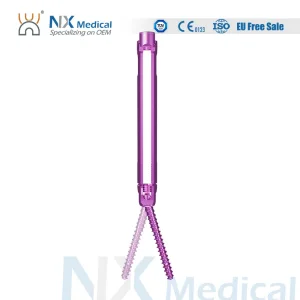
The global orthopedic market has witnessed a paradigm shift in the last decade, with Spinal Rods and Connectors emerging as the cornerstone of complex spinal fusion surgeries. In 2024, the demand for high-strength, biocompatible spinal stabilization systems continues to grow, driven by an aging global population and the increasing prevalence of spinal degenerative diseases and traumatic injuries. From North America to the emerging markets of Southeast Asia, healthcare providers are seeking more durable and flexible solutions for posterior fixation.
The industrial status of this sector is characterized by high barriers to entry, requiring stringent ISO 13485 certifications and meticulous material science. Titanium alloys (Ti6Al4V) and Cobalt-Chrome remain the gold standards, providing the necessary fatigue resistance to withstand the biomechanical loads of the human spine. As a leading supplier, we understand that these components are not just metal parts; they are life-altering implants that must perform flawlessly for decades.
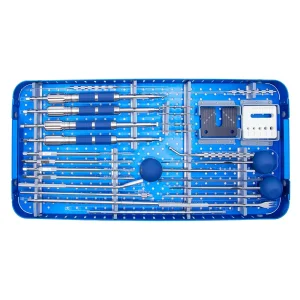
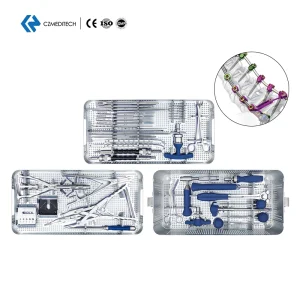
The industry is moving toward Minimally Invasive Surgery (MIS). This shift demands that Spinal Rods and Connectors become more streamlined, with lower profiles to reduce soft tissue irritation. Furthermore, the integration of digital health and AI in surgical planning is influencing how suppliers design their instrument sets, ensuring compatibility with robotic-assisted surgery systems.
International procurement officers for hospitals and medical distributors are no longer just looking for products; they are looking for resilient supply chains. In regions like Brazil, Egypt, and Morocco, the demand is focused on systems that offer versatility—where a single instrument set can handle multiple spinal pathologies, from scoliosis correction to traumatic fracture fixation.
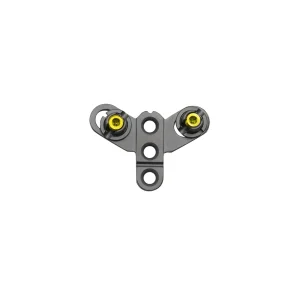
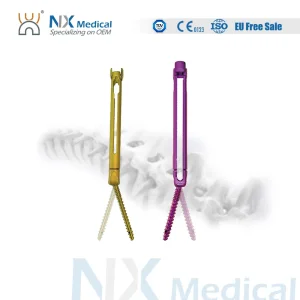
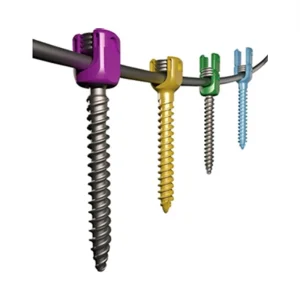
Localized application scenarios vary significantly. In developed urban centers, surgeons prioritize "low-profile" connectors to enhance patient recovery speed. In contrast, in trauma-heavy regions, the focus is on the "pull-out strength" of pedicle screws and the "locking reliability" of the connectors. As a global exporter, we tailor our product configurations to meet these diverse clinical environments, ensuring that every rod and connector we ship meets the specific anatomical needs of the target population.
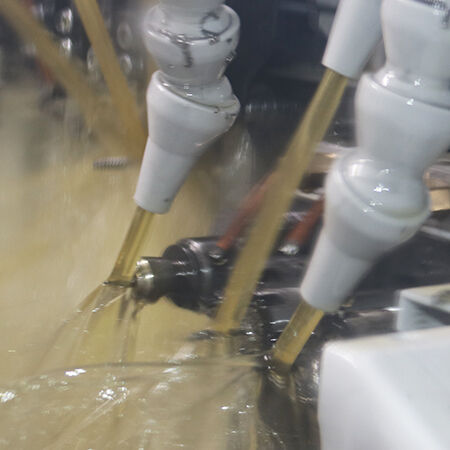
Our spinal rods are engineered with a specific surface roughness that promotes optimal interface with the connectors, preventing "rod slippage" which is a common failure point in inferior systems. By utilizing advanced CNC machining, we achieve tolerances within microns, providing the mechanical stability required for successful arthrodesis.
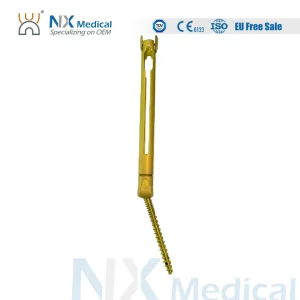
Choosing a Chinese factory for your spinal implants provides a unique blend of manufacturing scale, rapid R&D iteration, and cost-efficiency. Unlike many Western suppliers, our facility integrates the entire value chain—from raw titanium sourcing to final sterile packaging—under one roof. This allows us to maintain a production capacity covering more than 8,000 product specifications in orthopedic trauma, spinal implants, and surgical instruments.
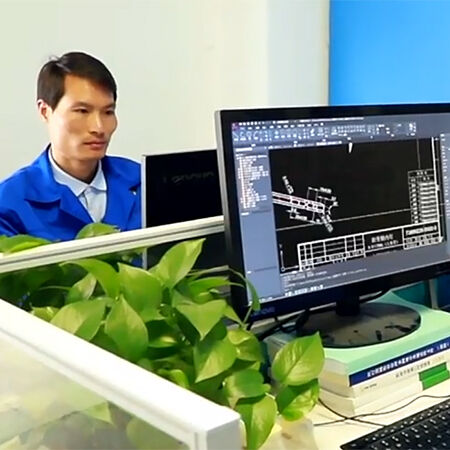
Our company places great importance on scientific and technological innovation, as well as new product research and development. Its product development strategy follows the principles of "blue ocean, differentiation, and focus strategy," with a strong emphasis on limb orthopedics, pediatric orthopedics, and internal and external fixation products for foot and ankle surgery. We have obtained 27 national utility model patent certificates, 6 invention patents, and 2 software copyrights.
We have gradually established competitive advantages in research and development, production and manufacturing, quality control, marketing, and other key areas. Our marketing team consists of more than 40 professionals, with sales and technical service personnel present in over 20 major cities. The company has built a nationwide marketing network covering 31 provinces and cities, collaborating with more than 300 agents and serving over 300 top-tier teaching hospitals. It actively engages in academic promotion, technical services, and product training, participating in or hosting more than 50 academic conferences for orthopedic doctors annually.





Looking ahead, the industry is moving towards bio-active coatings on spinal rods and connectors to accelerate bone fusion. Our R&D team is currently exploring hydroxyapatite (HA) coating technologies that can be applied to our titanium systems. This innovation aims to reduce the "pseudoarthrosis" rate in elderly patients with poor bone quality. Additionally, we are expanding our self-operated export business, which is already successfully extending to countries such as Brazil, Colombia, Peru, Egypt, and Morocco.
As the "AI Tech" era permeates the medical field, we are investing in smart manufacturing processes, using AI-driven quality inspection to ensure 100% defect-free products. This commitment to quality and innovation ensures that as a global supplier and exporter, we remain at the forefront of the orthopedic industry, providing surgeons with the tools they need to restore mobility and improve patient lives.