Alur Orthopedic Implants
Alur Orthopedic Implants
Alur Orthopedic Implants
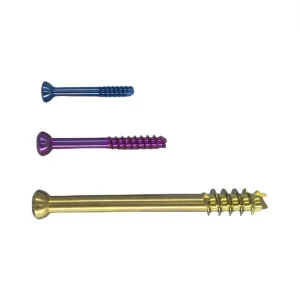
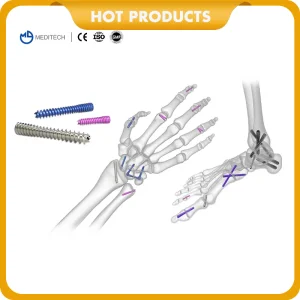
Engineered for minimal invasiveness and optimal fragment compression in trauma and reconstructive procedures.
Antigua and Barbuda, as a leading tourist hub and developing economic engine in the Eastern Caribbean, is undergoing a transformation in its clinical delivery systems. Facilities such as the Sir Lester Bird Mount St. John Medical Centre (SLBMSJMC) in St. John's, alongside private surgical practices, are expanding their orthopedic departments to cater to both resident needs and visiting tourists. Due to the nation's highly active yachting, cricket, and adventure tourism sectors, local medical facilities routinely manage complex sports injuries, soft tissue tears, and trauma fractures that require immediate internal fixation.
However, importing medical hardware to small island developing states (SIDS) comes with significant logistics hurdles. Most local institutions rely on direct import pipelines from ISO-certified global exporters to bypass secondary distribution markups. The demand for cannulated compression screws is particularly high due to their utility in minimally invasive surgeries (MIS). Minimally invasive procedures minimize hospital stay lengths, a critical factor for a nation with limited inpatient beds and a high tourist population that prioritizes rapid recovery and repatriation.
Clinical Insight: The corrosive tropical climate of the Caribbean also impacts clinical hardware warehousing. Implants must feature superior passivation layers and inert biocompatibility profiles to ensure stability in coastal storage facilities and inside patient bodies. Medical-grade Titanium Alloy (Ti-6Al-4V ELI) is the absolute standard in the region to mitigate any risks of electrochemical degradation.
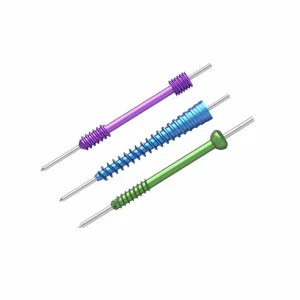
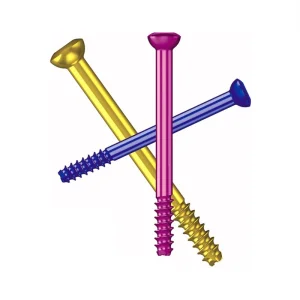
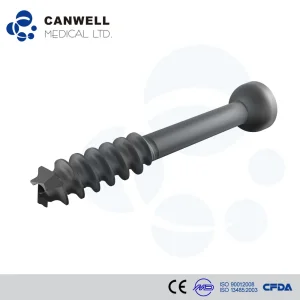
Globally, the orthopedics trauma fixation device market is expanding due to an aging demographic and rising active-lifestyle injuries. The cannulated screw represents a major milestone in fracture fixation engineering. The defining feature of a cannulated screw is its hollow core, which accommodates a guide wire. This allows orthopedic surgeons to precisely place the guide wire under fluoroscopic guidance before inserting the screw over the wire, minimizing bone fragmentation and reducing operative time.
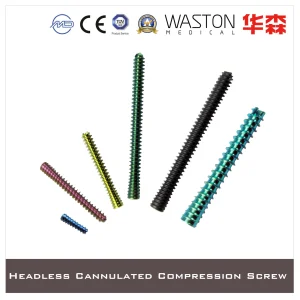
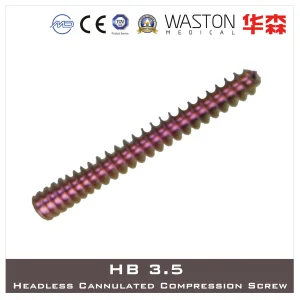
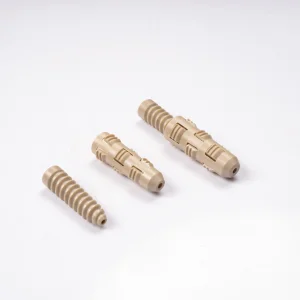
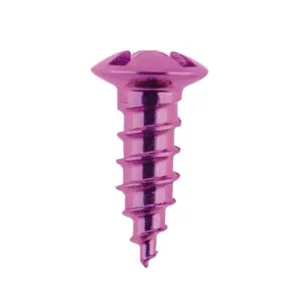
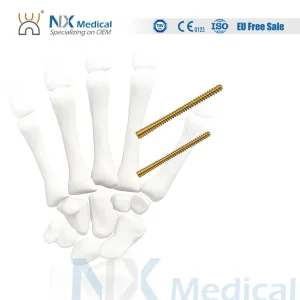
From a technological standpoint, the market is shifting from traditional stainless steel (316L) to high-performance Titanium Alloys and bio-absorbable polymers such as PEEK (Polyether ether ketone). PEEK materials are increasingly utilized in Sports Medicine—specifically for ACL reconstructions—due to their radiolucency and bone-like modulus of elasticity, preventing stress shielding. Concurrently, headless compression screws (Herbert Screws) have become the gold standard for intra-articular fractures (e.g., scaphoid fractures) as their lack of a projecting head avoids irritation of overlying cartilage and tendons.
| Implant Material | Tensile Strength (MPa) | Modulus of Elasticity (GPa) | Biocompatibility Index | Ideal Clinical Indication |
|---|---|---|---|---|
| Titanium Grade 5 (Ti-6Al-4V ELI) | 860 - 900 | 110 - 114 | Excellent (Inert) | Femoral neck, tibial plateau, and high-load trauma fractures |
| Stainless Steel 316LVM | 485 - 860 | 190 - 200 | Good (Potential Nickel Sensitivity) | Temporary trauma fixation plates, pediatric osteotomy |
| Medical PEEK Polymer | 90 - 100 | 3.5 - 4.0 | Excellent (Radiolucent) | ACL/PCL interference screws, suture anchors, spinal cages |
Year Founded
Exp. Countries
Serving Top Hospitals
IP / Patent Certs
Global Agents
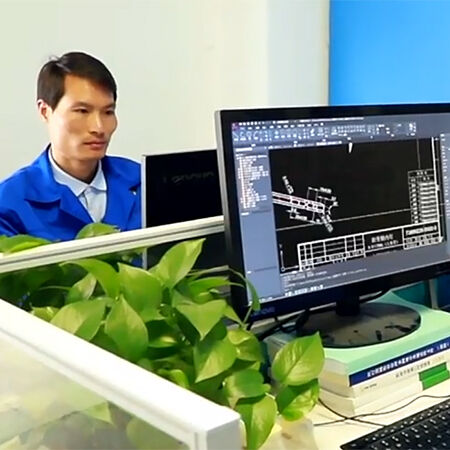
Our production philosophy is rooted in precision. With a production capability extending across more than 8,000 product specifications in orthopedic trauma, spinal implants, and matching surgical instrument sets, we address the highly diverse requirements of global operating theaters. Our manufacturing is built on three pillars: a blue ocean design paradigm, rigorous differentiation, and a focused product strategy. This translates to targeted solutions for limb orthopedics, pediatric orthopedics, and ankle-foot reconstruction.
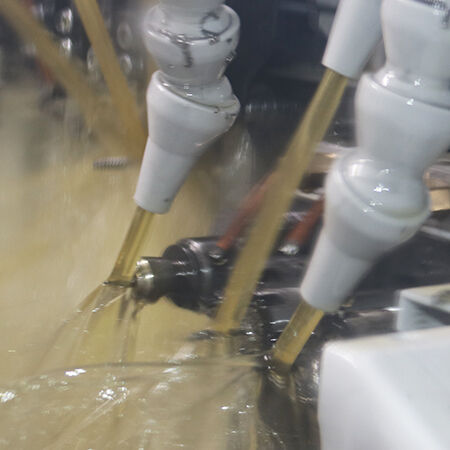
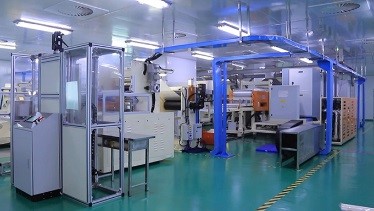
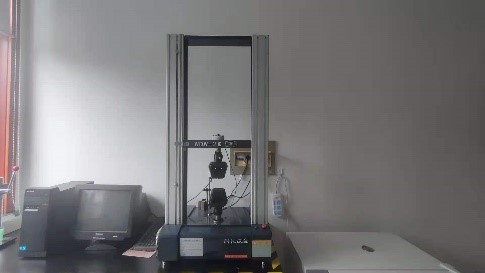
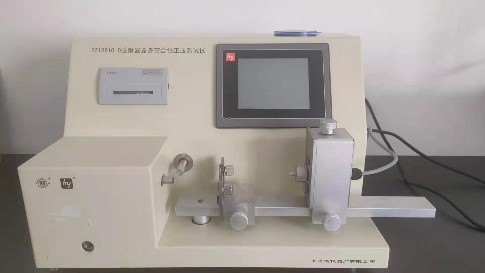
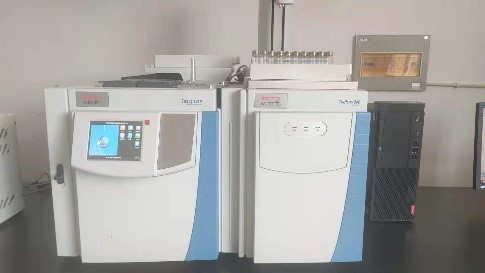
By leveraging advanced Swiss-type CNC lathe machining, we maintain micro-level tolerances on screw pitches, thread depths, and cannulation concentricity. Such precision prevents intra-operative guide wire jamming, a common issue in lower-quality imports. Furthermore, our facilities house dedicated testing laboratories to execute stringent QC steps including mechanical tension testing, seal tightness evaluations, and gas chromatography to detect any residual sterilizing agents. This ensures every cannulated screw received by hospitals in Antigua and Barbuda or elsewhere is sterile, safe, and mechanically sound.
Patent Portfolio & IP Integrity: The company holds 27 national utility model patent certificates, 6 invention patents, and 2 software copyrights. Our intellectual property guarantees that the implants we export comply with strict global compliance standards, shielding importing hospitals from litigation risks.
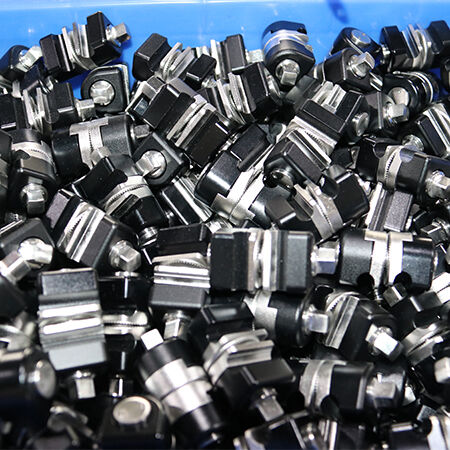
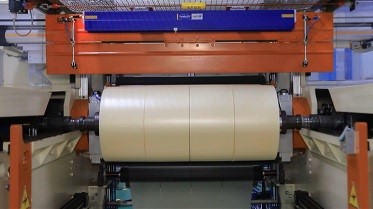
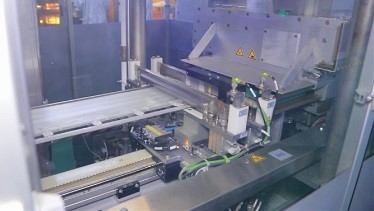
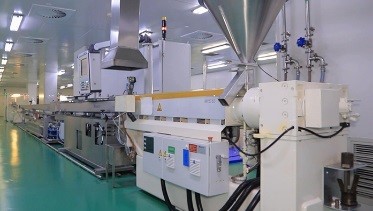
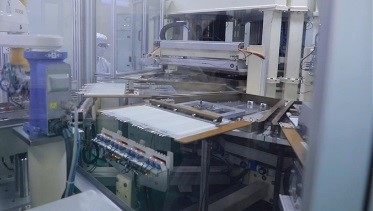
Explore our complete export catalog. Engineered for multi-axis compression, sports pathology reconstructive applications, and spinal structural stabilization.
For medical procurement departments operating in Antigua and Barbuda, the wider Caribbean Community (CARICOM), or international healthcare hubs, choosing an export partner involves evaluating production capacity alongside rigorous regulatory compliance. When sourcing high-risk class IIb or class III implants, compliance with regional import mandates, medical liability coverages, and product trackability are primary concerns.
The standard procurement process involves several key requirements:
Our sales and technical support teams, composed of over 40 experienced professionals operating across 20+ major hubs globally, coordinate logistics directly. We collaborate with over 300 regional agents and serve more than 300 top-tier teaching institutions worldwide. This enables us to design tailored medical-supply programs that reduce delivery timelines to Caribbean and Latin American hubs (such as Colombia, Peru, Brazil, and Antigua and Barbuda).
Comprehensive answers regarding materials, custom packaging, certifications, and shipping logistics for regional health authorities and procurement offices.