Alur Orthopedic Implants
Alur Orthopedic Implants
Alur Orthopedic Implants
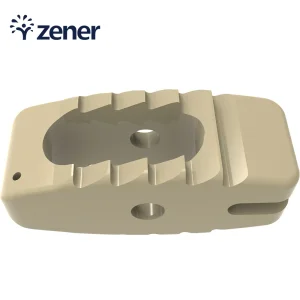
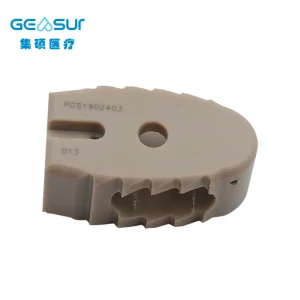
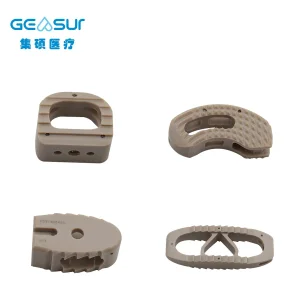
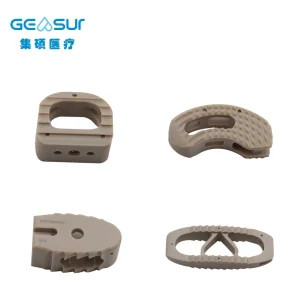
Pakistan's medical landscape is undergoing a rapid transformation. With a growing population and an increasing prevalence of spinal disorders, the demand for high-quality Interbody Fusion Cages (PEEK/Titanium) has never been higher. Major surgical hubs in Karachi, Lahore, Islamabad, and Sialkot are now adopting advanced minimally invasive techniques (MIS) that require precision-engineered implants.
As a leading manufacturer and exporter, we understand the specific needs of Pakistani orthopedic surgeons. The local market prioritizes durability, biocompatibility, and cost-effectiveness. Our PEEK and Titanium cages are designed to meet these criteria, providing optimal stability for patients suffering from Degenerative Disc Disease (DDD), Spondylolisthesis, and spinal trauma.
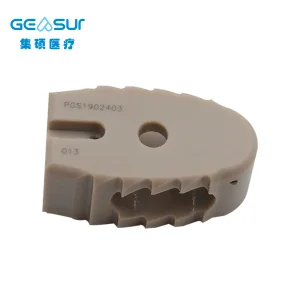
The debate between PEEK (Polyetheretherketone) and Titanium materials is central to modern spine surgery. In Pakistan, surgeons often balance the radiolucency of PEEK with the osteoconductive properties of Titanium.
Our hybrid solutions—PEEK cages with Titanium coating—are becoming the "gold standard" in leading Pakistani hospitals such as Aga Khan University Hospital and Shifa International.

Year Founded

Export Countries

Top-tier Hospitals served

IP Certificates

Global Agents
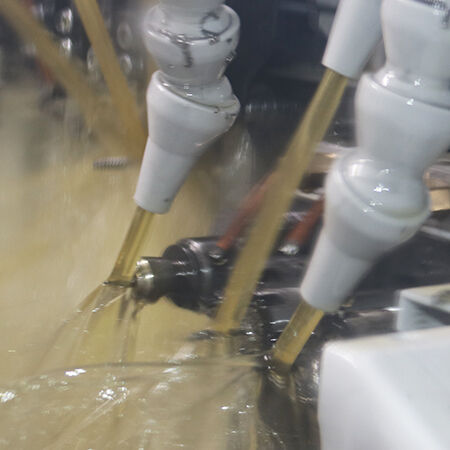
The city of Sialkot is internationally renowned as a hub for surgical instrument manufacturing, contributing over $400 million to Pakistan's annual exports. While historically focused on manual instruments, there is a significant shift toward high-tech implants like Interbody Fusion Cages. Our company leverages this industrial heritage while integrating modern CNC machining and clean-room technologies to produce spinal implants that compete on a global scale.
In Pakistan, the application of interbody cages is often driven by two factors: high rates of labor-related spinal injuries and an aging population. Hospitals in the public sector (like Mayo Hospital, Lahore) and the private sector require reliable supplies of PLIF (Posterior Lumbar Interbody Fusion) and TLIF (Transforaminal Lumbar Interbody Fusion) cages. Our products are optimized for these procedures, ensuring that surgeons have the tools necessary for successful spinal stabilization.
Exporting from Pakistan requires strict adherence to international standards. The Drug Regulatory Authority of Pakistan (DRAP) has tightened regulations for medical devices, ensuring that only manufacturers with robust quality management systems (ISO 13485) can operate. We go beyond local requirements, securing 27 national utility model patents and 6 invention patents, reinforcing our position as a leader in scientific and technological innovation.
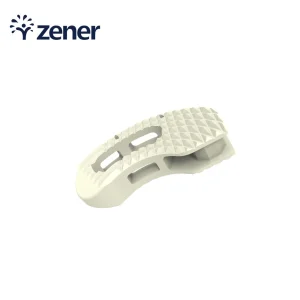
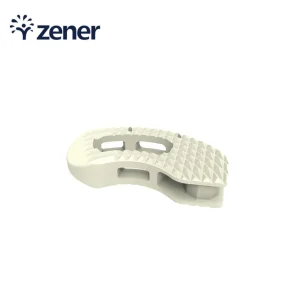
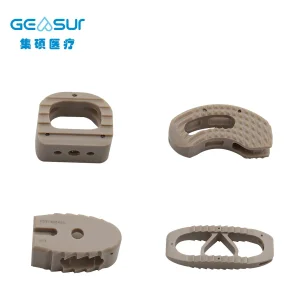
The future of spine surgery in Pakistan is moving toward MIS. This shift reduces recovery time and hospitalization costs—a vital consideration for the Pakistani healthcare system. Our bullet-shaped and banana-shaped cages are specifically designed for easier insertion through smaller incisions, minimizing muscle disruption and enhancing patient outcomes.
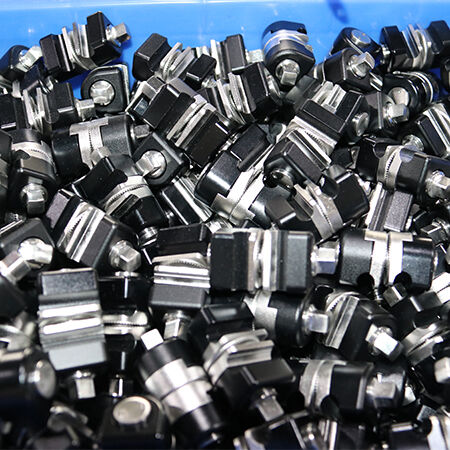
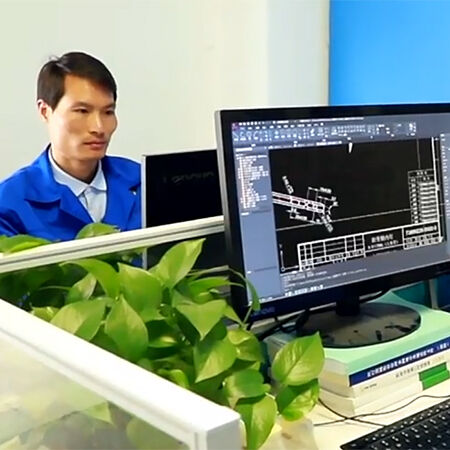
The company places great importance on scientific and technological innovation, as well as new product research and development. Its product development strategy follows the principles of "blue ocean, differentiation, and focus strategy," with a strong emphasis on limb orthopedics, pediatric orthopedics, and internal and external fixation products for foot and ankle surgery.
With a production capacity covering more than 8,000 product specifications in orthopedic trauma, spinal implants, and surgical instruments, the company has gradually established competitive advantages in research and development, production and manufacturing, quality control, marketing, and other key areas.
Our marketing team consists of more than 40 professionals, with sales and technical service personnel present in over 20 major cities. We have built a nationwide marketing network covering 31 provinces and cities, collaborating with more than 300 agents and serving over 300 top-tier teaching hospitals.
Our self-operated export business is rapidly taking shape, with sales extending to countries such as Brazil, Colombia, Peru, Egypt, and Morocco. However, Pakistan remains a focal point of our expansion due to its strategic position as a gateway to South Asia and the Middle East. The China-Pakistan Economic Corridor (CPEC) has facilitated better logistics, allowing for faster transit times for our medical implants.
Interbody fusion cages must survive the harsh physiological environment of the human spine for decades. Our research focuses on the micro-surface morphology of Titanium coatings. By using advanced plasma spraying techniques, we create a surface that mimics the cancellous bone structure. This is particularly beneficial in the Pakistani demographic, where nutritional factors can sometimes affect bone density and healing rates.
We don't just sell products; we provide a complete ecosystem. We actively engage in academic promotion, technical services, and product training, participating in or hosting more than 50 academic conferences for orthopedic doctors annually. In Pakistan, we are looking to partner with the Pakistan Orthopedic Association (POA) to provide hands-on workshops for junior residents on the placement of PEEK cages.
Global supply chain disruptions have taught us the value of local stock and reliable distribution. By maintaining a network of over 300 agents, we ensure that a life-saving interbody cage is always available in theater, whether in a major city hospital or a regional medical center in Sindh or Punjab.
As we look toward 2025, our goal is to integrate AI-driven surgical planning with our implant systems. Imagine a scenario where a surgeon in Pakistan can receive a custom-fitted 3D-printed Titanium cage based on a patient's pre-operative MRI, optimized for their specific spinal curvature. This level of personalized medicine is what we strive for, combining the industrial strength of Pakistan with global technological breakthroughs.