Alur Orthopedic Implants
Alur Orthopedic Implants
Alur Orthopedic Implants
The global orthopedic medical device market is witnessing a significant paradigm shift, particularly in the niche of Mini External Fixation Systems. As surgical techniques evolve from highly invasive internal plating to minimally invasive external stabilization, the demand for precision-engineered mini fixators for hands and feet has skyrocketed. These devices are essential for treating complex phalangeal and metacarpal fractures, where preserving soft tissue integrity and joint mobility is paramount.
Currently, the market is characterized by a high degree of specialization. North American and European markets lead in terms of technological adoption, focusing on radiolucent materials and hybrid stabilization. Meanwhile, the Asia-Pacific region, led by China, has emerged as the global powerhouse for manufacturing and exporting. Factories in China now produce medical-grade instruments that rival Western counterparts in quality while offering a logistical and cost advantage that is vital for global healthcare providers.
Market Expansion: The industry is no longer limited to human trauma. There is a burgeoning sector in veterinary medicine, utilizing mini fixators for avian and small mammal orthopedic surgeries, showcasing the versatility of these systems.
The roadmap for Mini External Fixators is being rewritten by AI-driven design and advanced metallurgy. We are seeing several key trends that are defining the next generation of products:

Reducing the profile of the fixator to minimize patient discomfort and prevent interference with daily activities.

The use of Carbon Fiber or PEEK components to allow surgeons to see the bone healing process clearly under X-ray.

Developing "Joint Motion" types that allow for controlled movement during the healing phase to prevent joint stiffness.
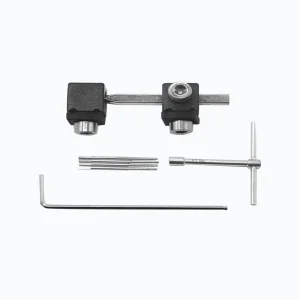
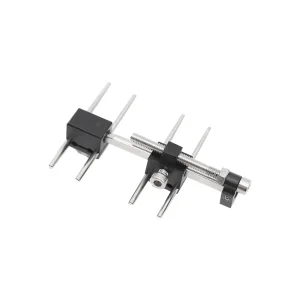
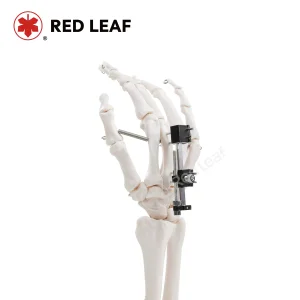
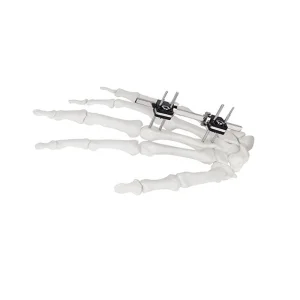
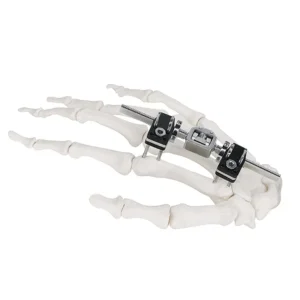
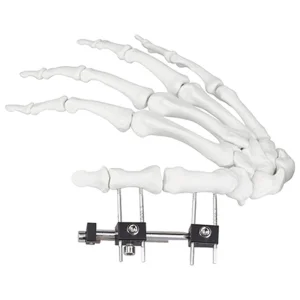
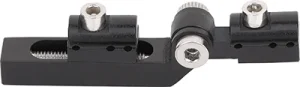
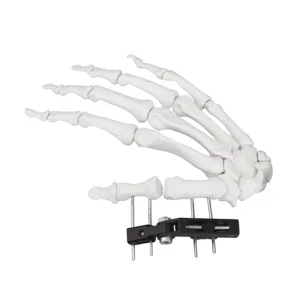
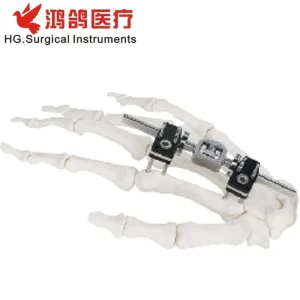
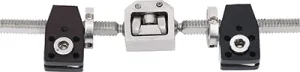
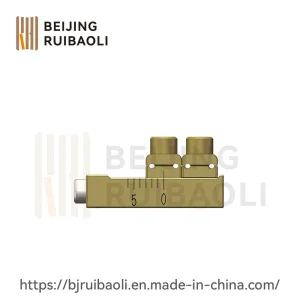
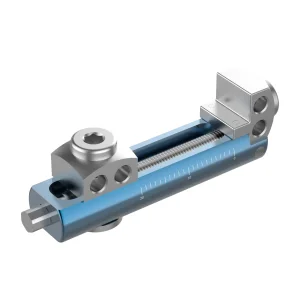
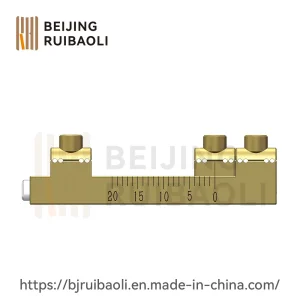
Our flagship Unilateral Mini Finger Rail (20mm) represents the pinnacle of precision in hand surgery. Designed for metacarpal and phalangeal stabilization, it offers surgeons the ability to maintain bone length and alignment with micron-level accuracy. The rail system allows for ease of adjustment post-surgery, ensuring that the reduction is maintained throughout the healing process.
Constructed from lightweight, high-strength medical alloys, this fixator reduces the load on the patient's hand while providing rigid stabilization. It is widely used in trauma centers across Brazil, Egypt, and beyond, proving its reliability in diverse clinical environments.
International medical distributors and hospital procurement departments have rigorous standards when selecting a supplier for Mini External Fixators. In our experience as a leading exporter, the following factors are critical:
By focusing on these procurement needs, we have built a network of over 300 agents worldwide, ensuring that our products are available where they are needed most—from emergency trauma rooms in urban centers to specialized orthopedic clinics in remote regions.
The application of mini external fixators varies significantly based on local medical infrastructure and patient demographics. In developed regions, there is a heavy focus on pediatric orthopedics—using these devices for congenital deformity correction in small children where internal hardware is not suitable. In emerging markets, the primary application is industrial trauma and traffic accidents, requiring robust, cost-effective solutions for metacarpal reconstruction.
A unique application scenario is the veterinary field. Our Veterinary Mini External Fixators are specifically designed for birds, reptiles, and small mammals. These creatures have extremely delicate bone structures that cannot support traditional plating. Our mini fixators provide the perfect balance of lightweight design and stability, allowing for successful fracture healing in even the smallest exotic pets.
This localized niche has seen incredible growth, with specialized veterinary hospitals in North America and Europe importing our systems for high-stakes surgeries on rare species.
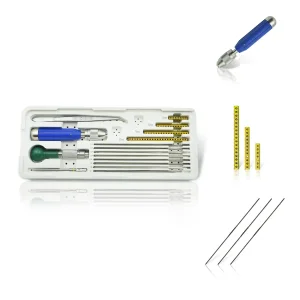
The company places great importance on scientific and technological innovation, as well as new product research and development. Our product development strategy follows the principles of "blue ocean, differentiation, and focus strategy," with a strong emphasis on limb orthopedics, pediatric orthopedics, and internal and external fixation products for foot and ankle surgery.
Year Founded
Export Countries

Top-tier Hospitals served
Intellectual Property Rights

Global Agents
We have obtained 27 national utility model patent certificates, 6 invention patents, and 2 software copyrights. With a production capacity covering more than 8,000 product specifications in orthopedic trauma, spinal implants, and surgical instruments, our company has gradually established competitive advantages in research and development, production and manufacturing, quality control, and marketing.
Our marketing team consists of more than 40 professionals, with sales and technical service personnel present in over 20 major cities. We actively engage in academic promotion and participate in or host more than 50 academic conferences for orthopedic doctors annually. Our self-operated export business is rapidly expanding to countries like Brazil, Colombia, Peru, Egypt, and Morocco.
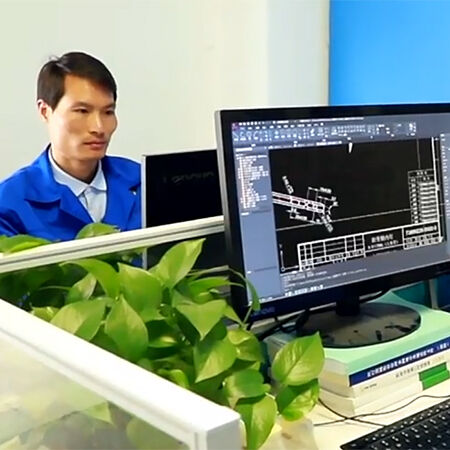
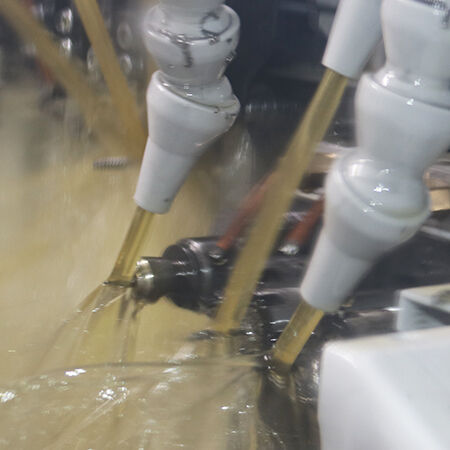
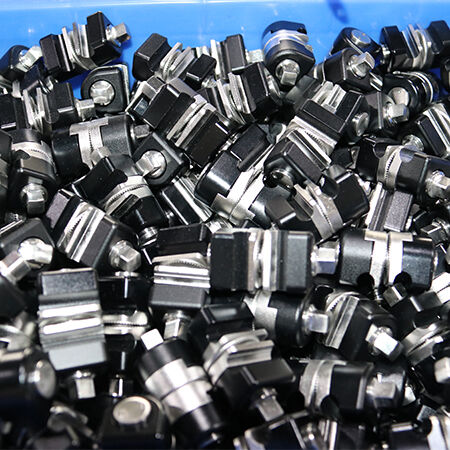
Every Mini External Fixator leaving our factory undergoes a multi-stage inspection process. From the initial CNC machining of raw titanium bars to the final ultrasonic cleaning and sterilization packaging, we ensure that each component meets the surgical precision required for hand and foot reconstruction. Our quality control system is built on international benchmarks, ensuring that exporters and medical facilities receive products that are ready for the operating theater.
Our logistical network is optimized for the medical industry. We understand the urgency of trauma supplies, and thus, we maintain a significant stock of our most popular mini fixator models, allowing for rapid dispatch to our global partners.