Alur Orthopedic Implants Alur Orthopedic Implants

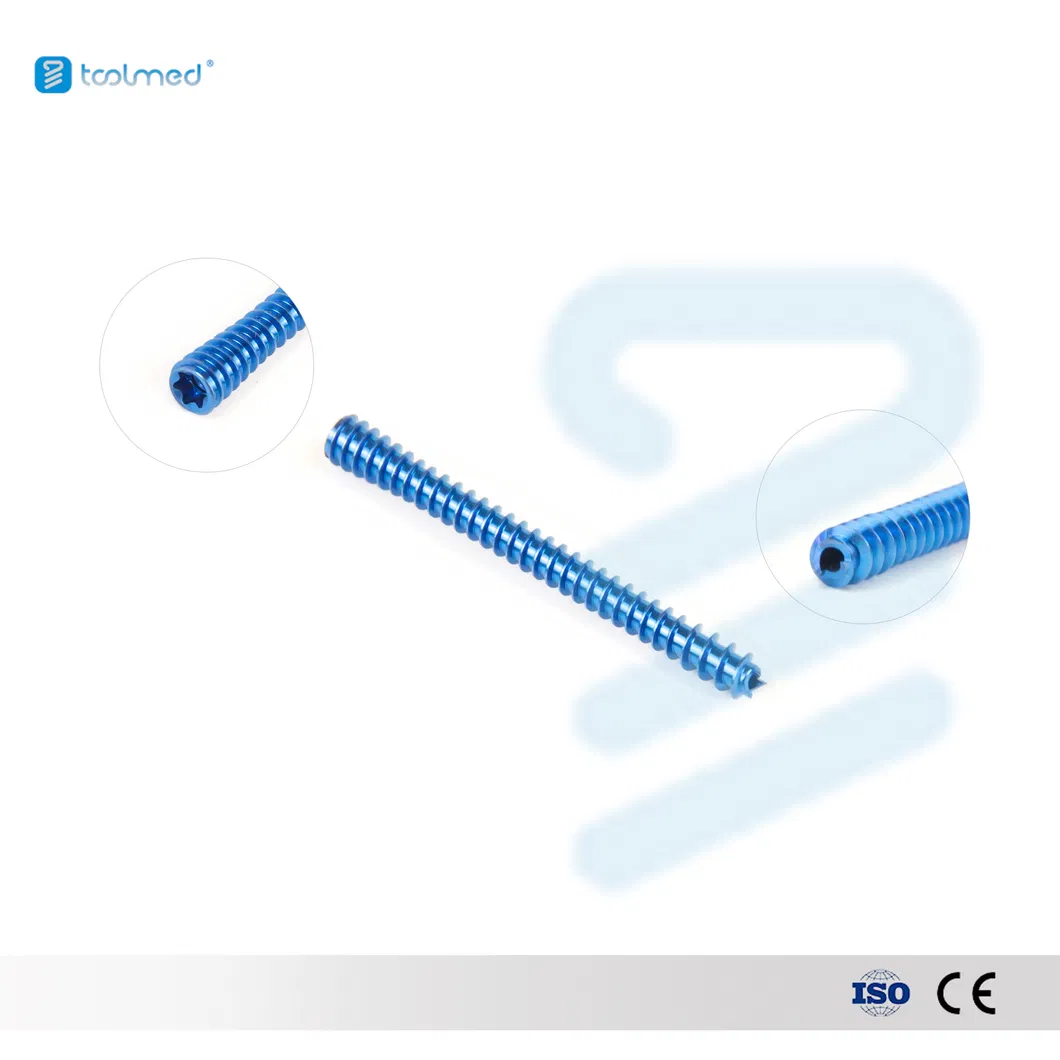
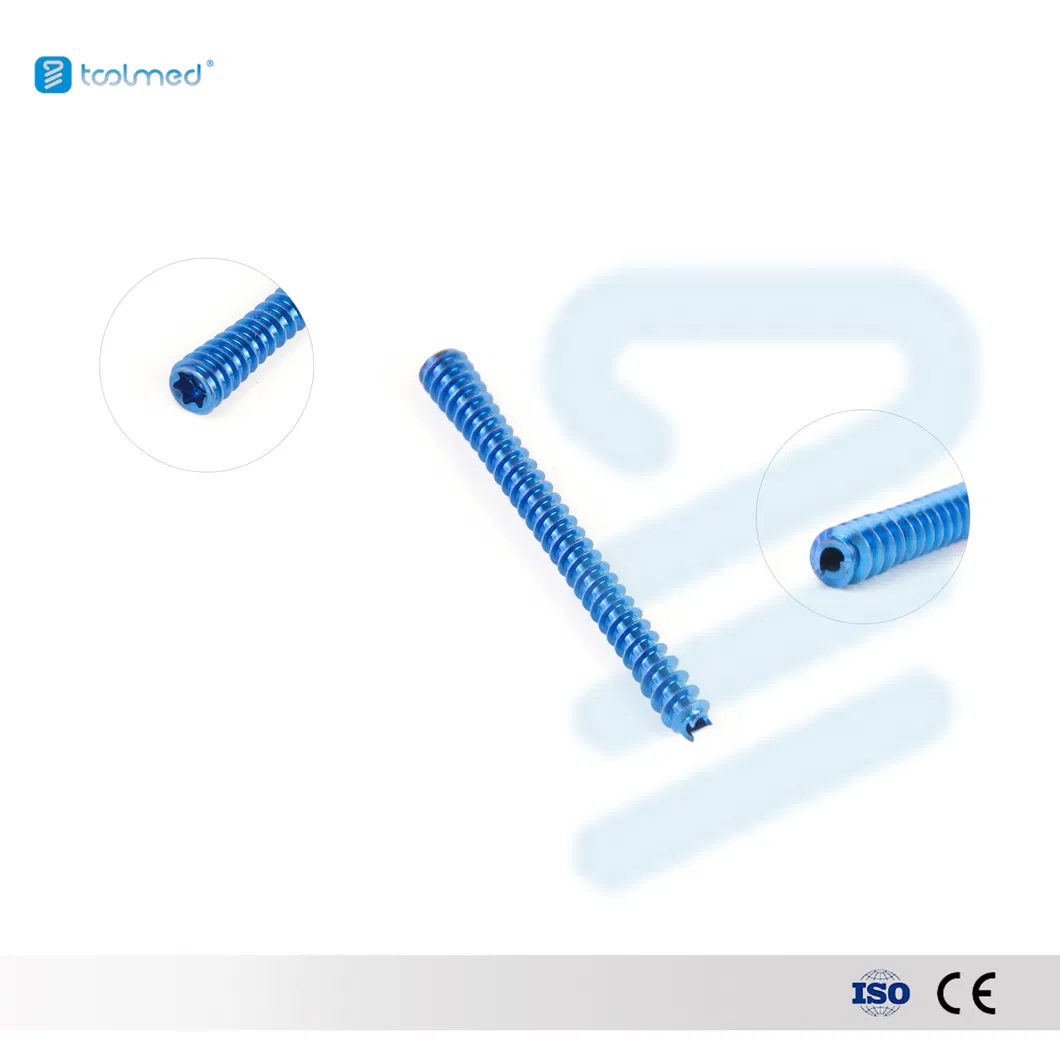
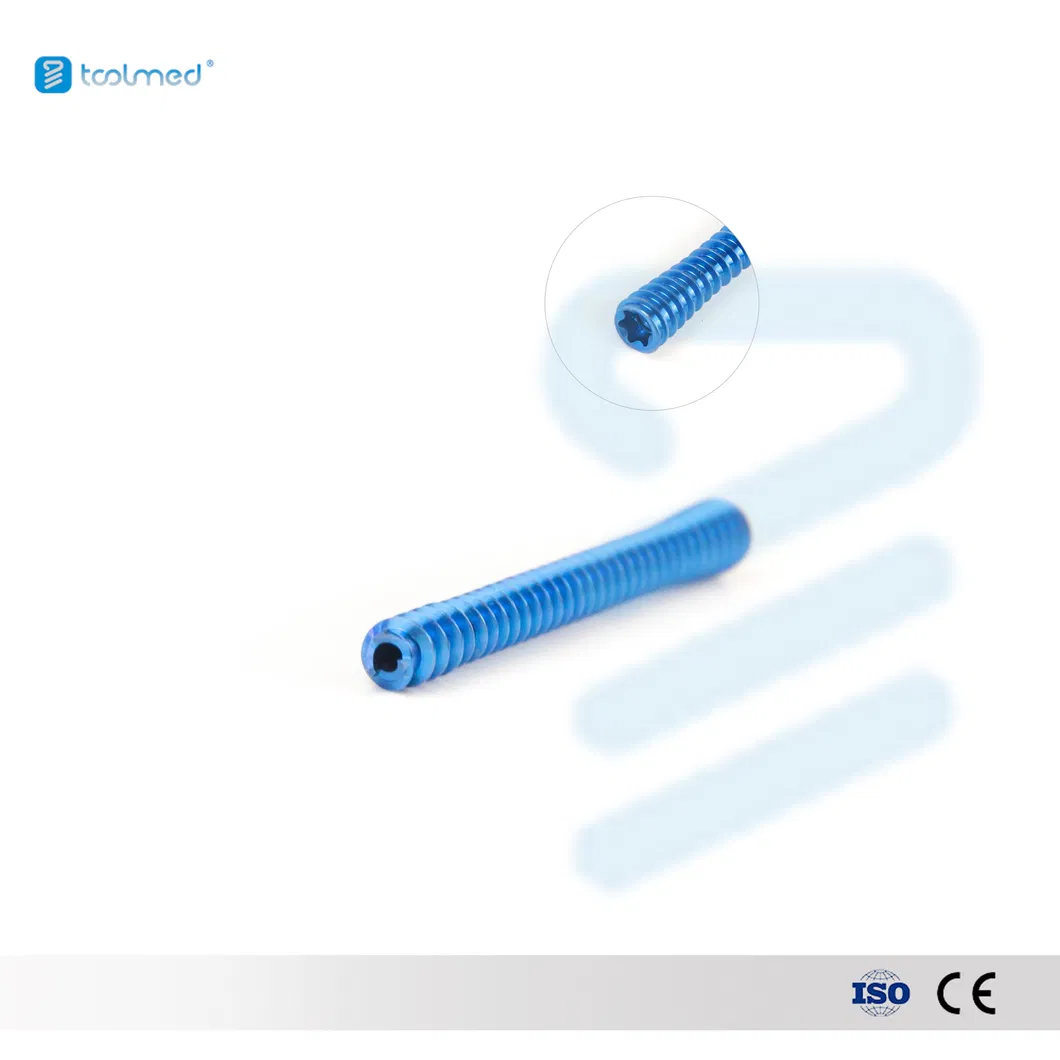
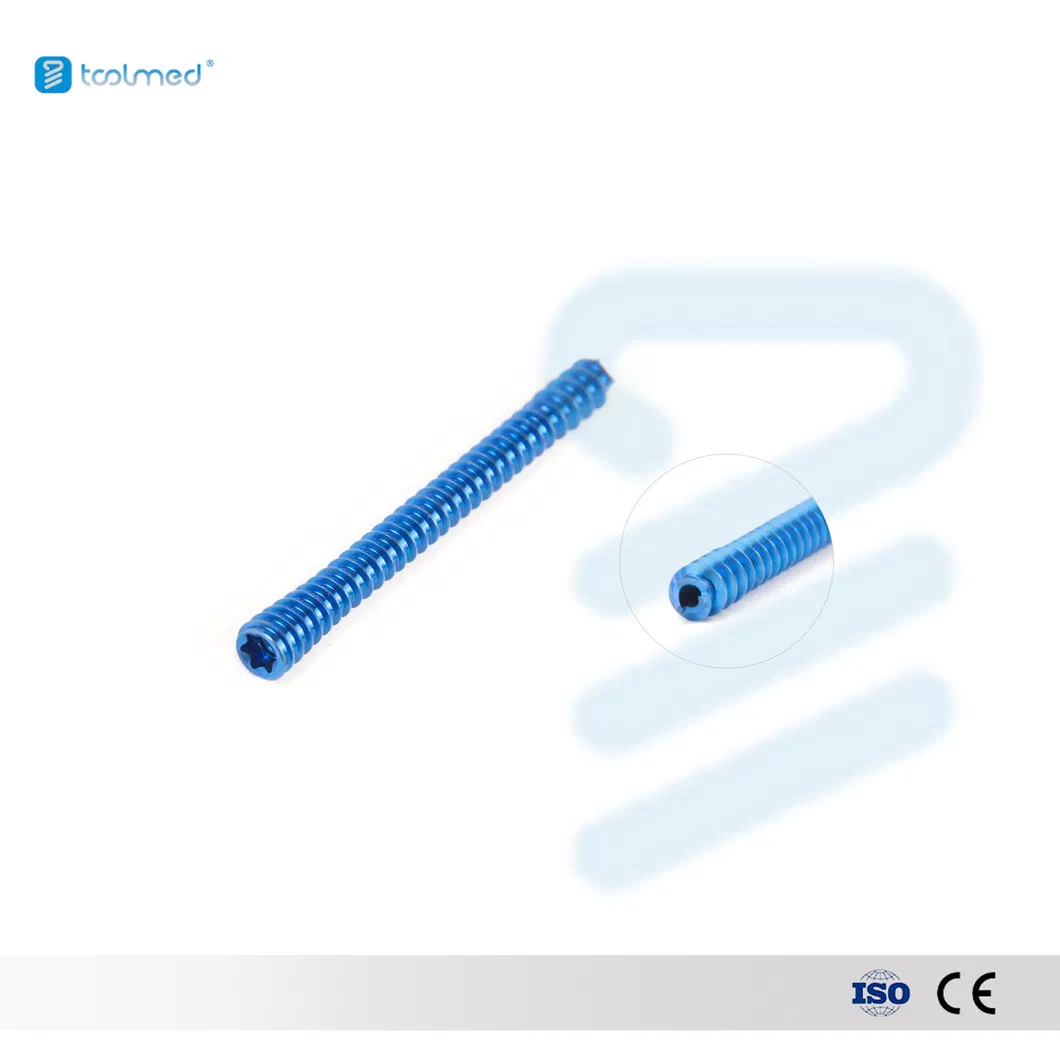
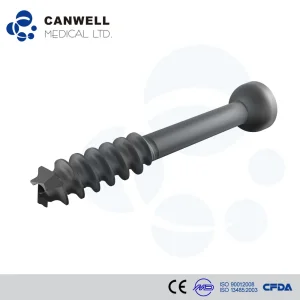
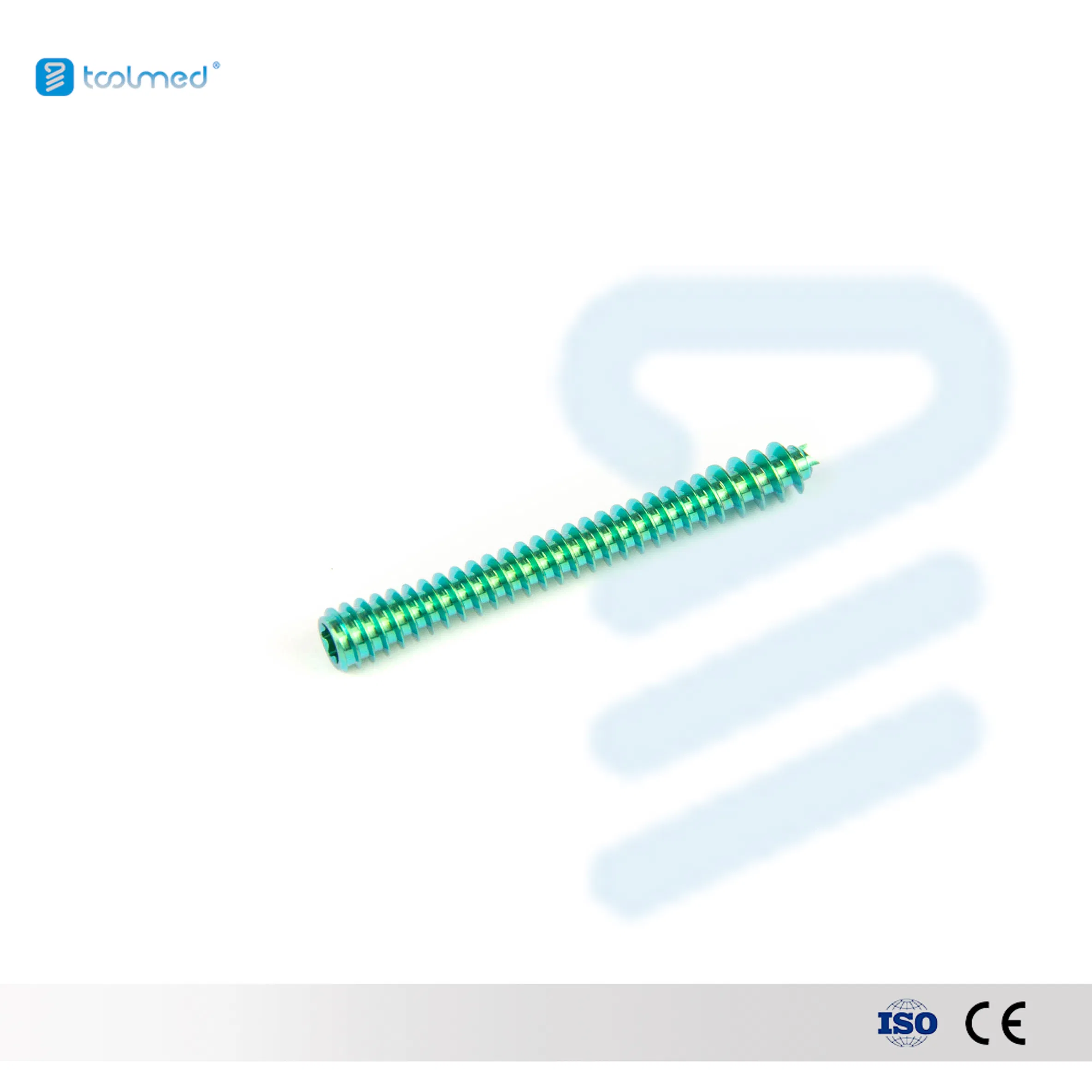
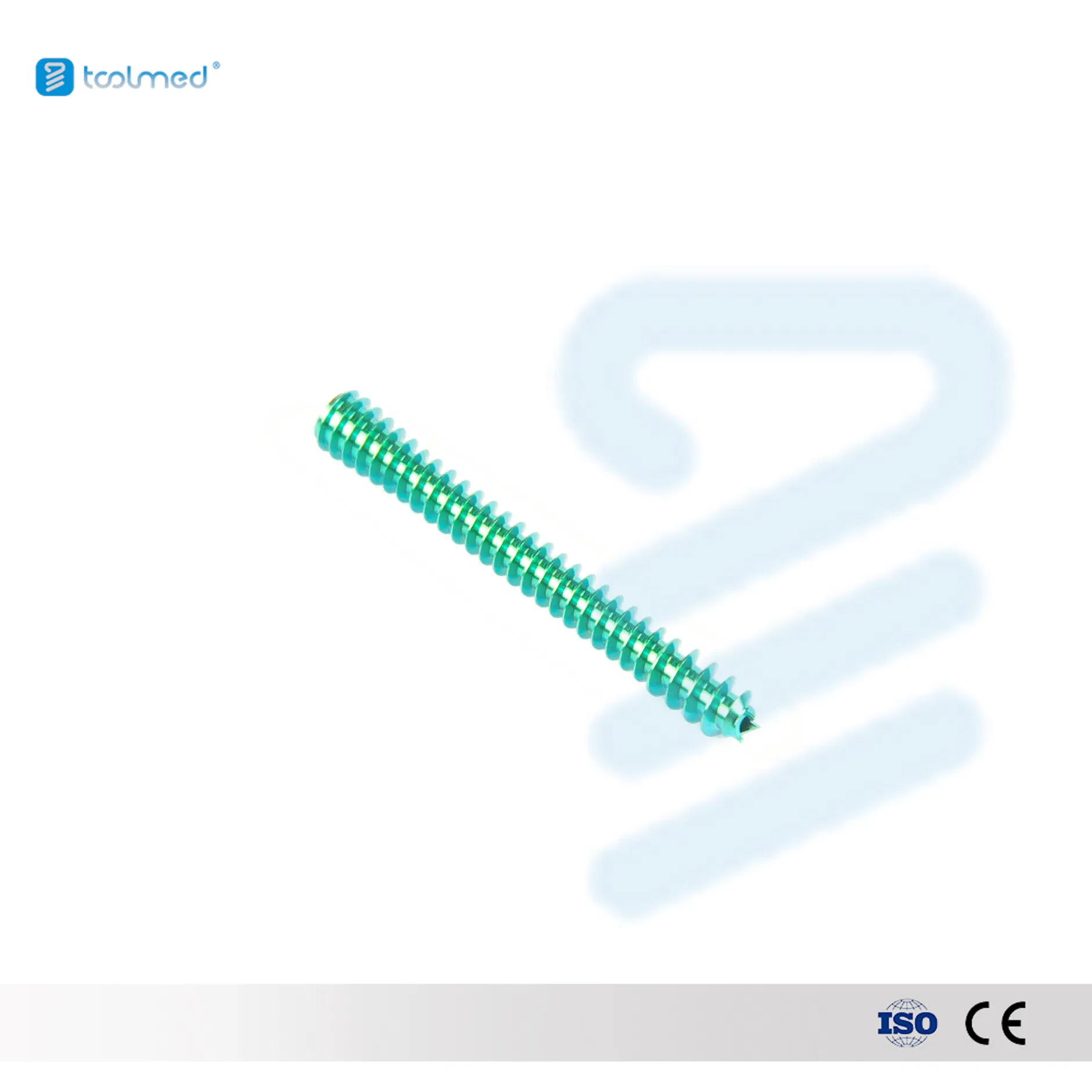
Medical OEM&ODM Titanium Cannulated Headless Compression Screw Hollow Orthopedic Implant Cannulated Screw Bone Screws

Still deciding? Get samples of $ !
Request Sample

Product Description

Basic Specifications

Color
Customized
Application
Trauma Surgery
Material
Titanium Alloy
Transportation
DHL / TNT / FedEx / Air Flight
Transport Package
Plastic Bag / Carton
Specification
3.0 / 3.5 / 4.0 / 5.0
Origin
China
HS Code
902110000
Production Capacity
300,000 Pieces / Year

Surgical Technique

1 Incision and Exposure

Make a small incision (1-3 cm) near the fracture site, avoiding important nerves and blood vessels. Gently separate soft tissues layer by layer to fully expose the fracture end.

2 Fracture Reduction

Restore the fracture to its normal anatomical position using manual traction and rotation. Continuously monitor the effect under C-arm fluoroscopy for accuracy.

3 Guide Wire Insertion

Determine the entry point and insert the guide wire under fluoroscopic guidance. The wire should be as perpendicular as possible to the fracture plane.

4 Determination of Screw Length

Use a dedicated measuring device over the guide wire. Alternatively, use a second guide wire of equal length to measure the protruding difference to determine the required drill depth.

5 Drilling

Select a cannulated drill bit based on screw size. Drill along the guide wire using irrigation solution to minimize thermal injury. Verify depth with an image intensifier.

6 Screw Insertion

Mount the screw head onto the compression sleeve and insert manually over the guide wire. Advance the screw until the head is flush with the bone and trailing threads are fully buried.

7 Wound Closure

Irrigate the wound with normal saline, suture in layers (deep tissues then skin), and apply appropriate dressing or splinting to assist healing.

About Cannulated Headless Compression Screws

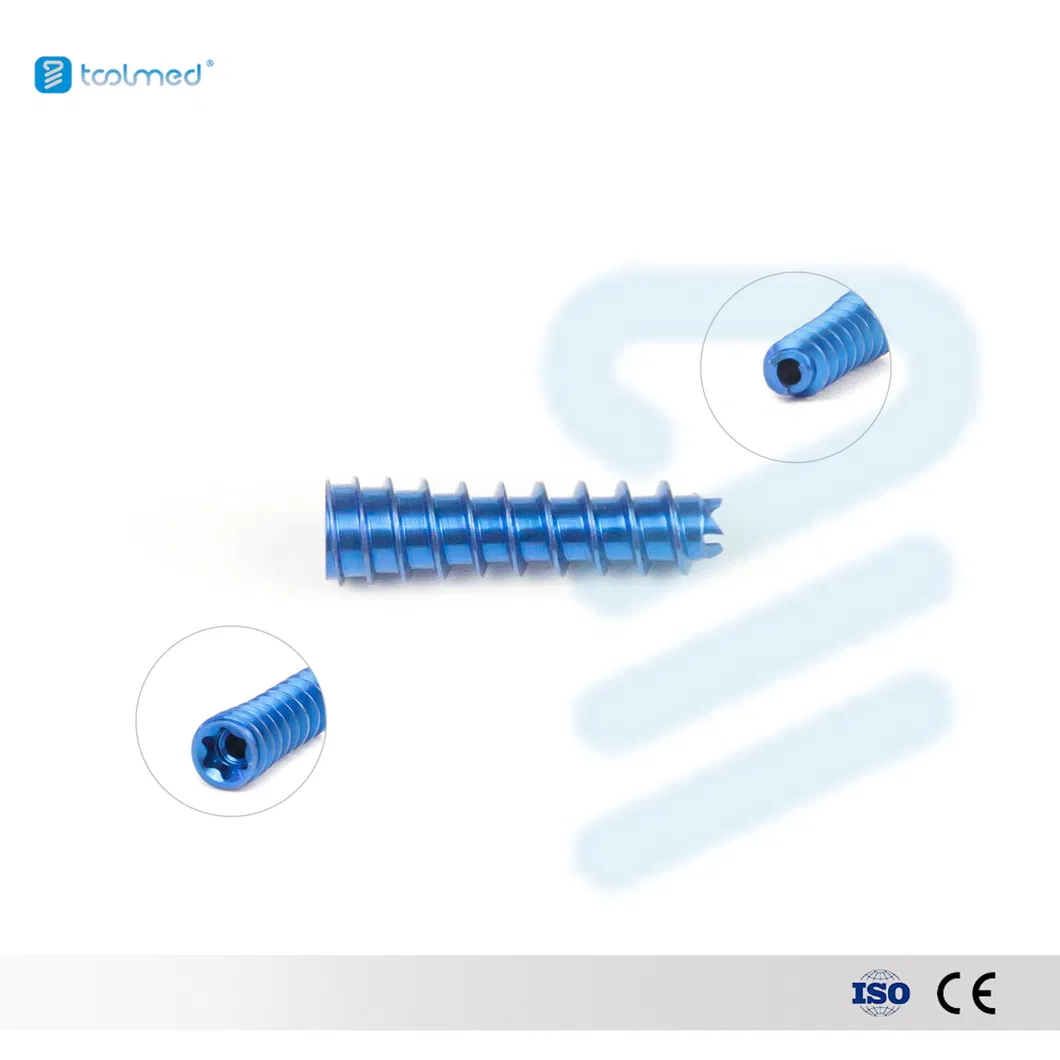
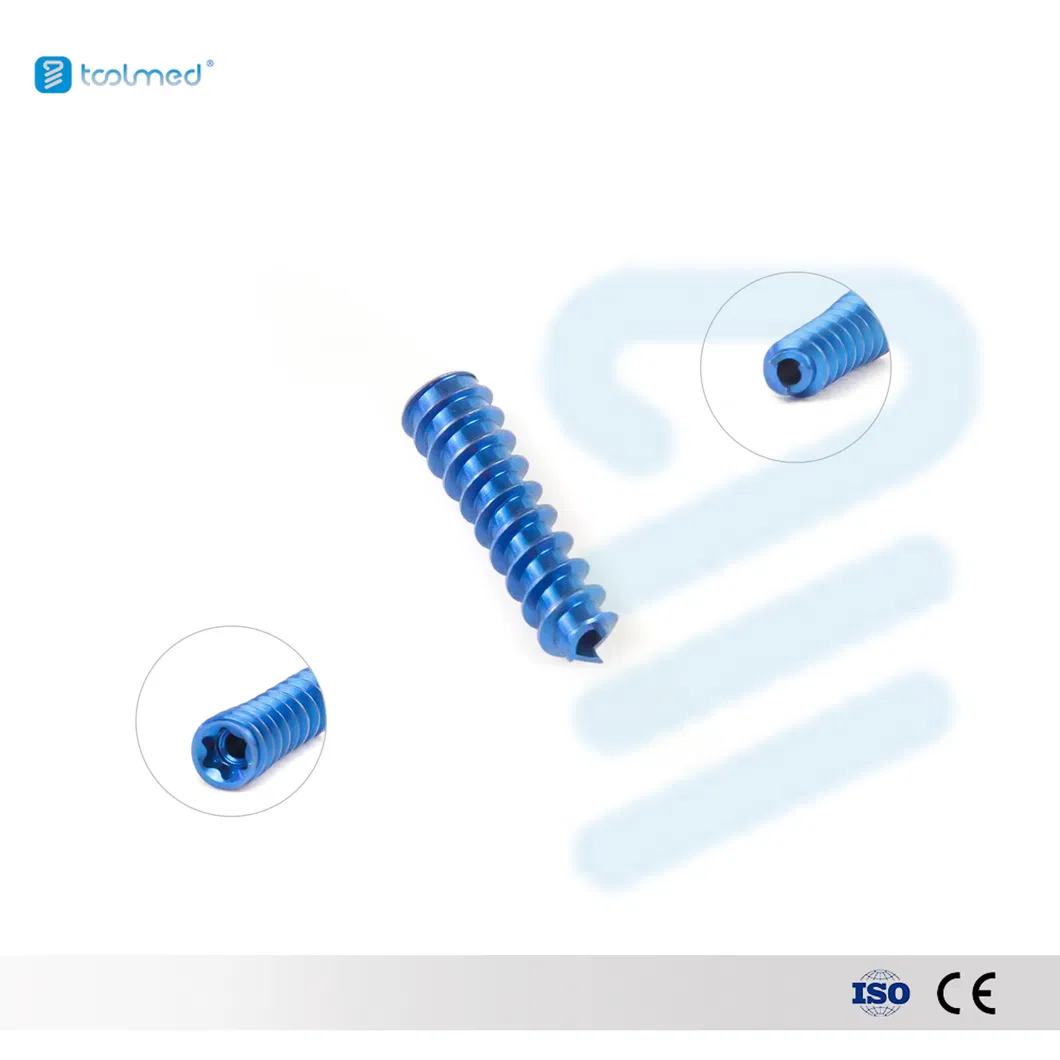
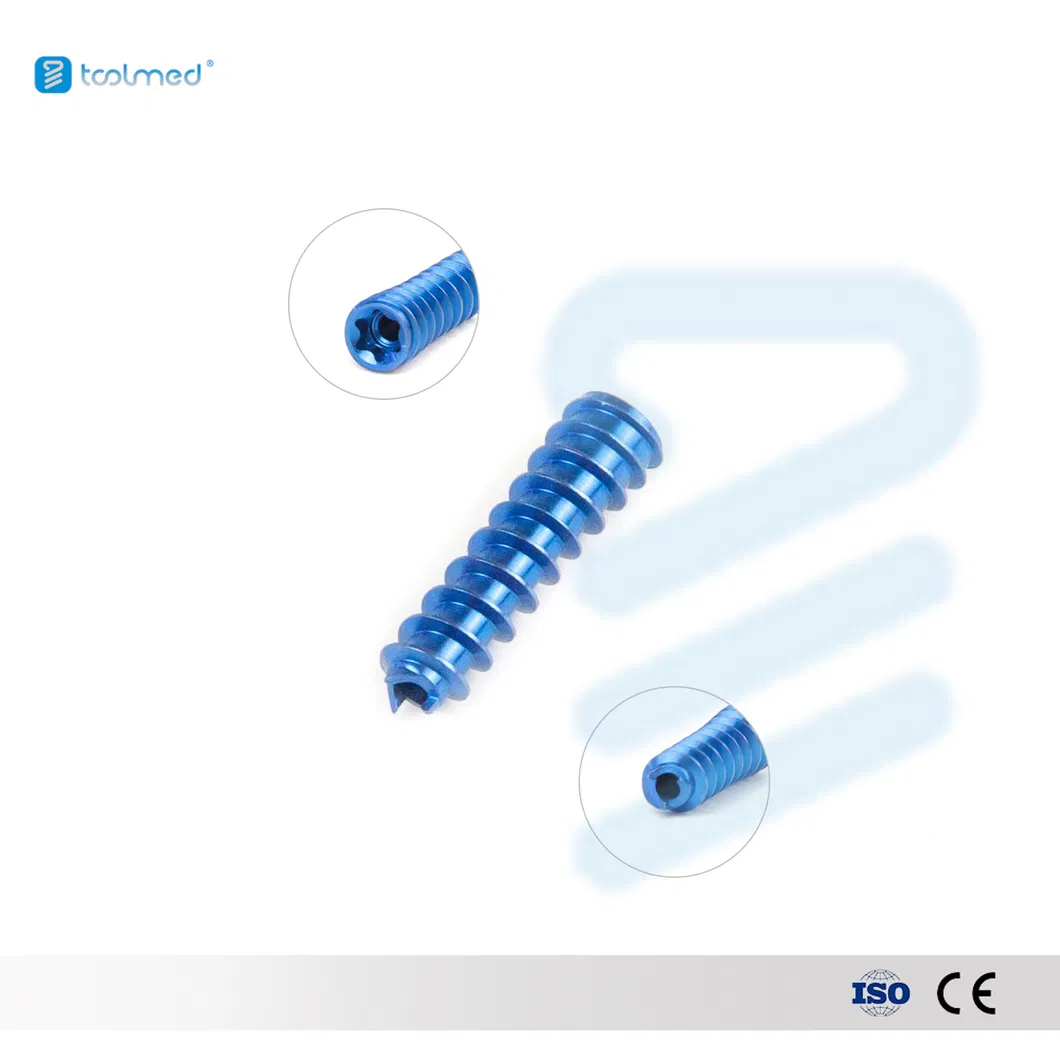
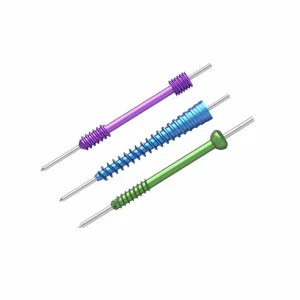
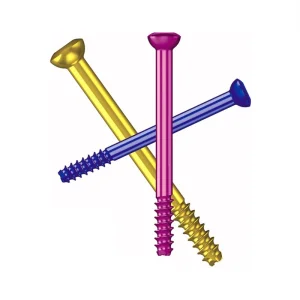
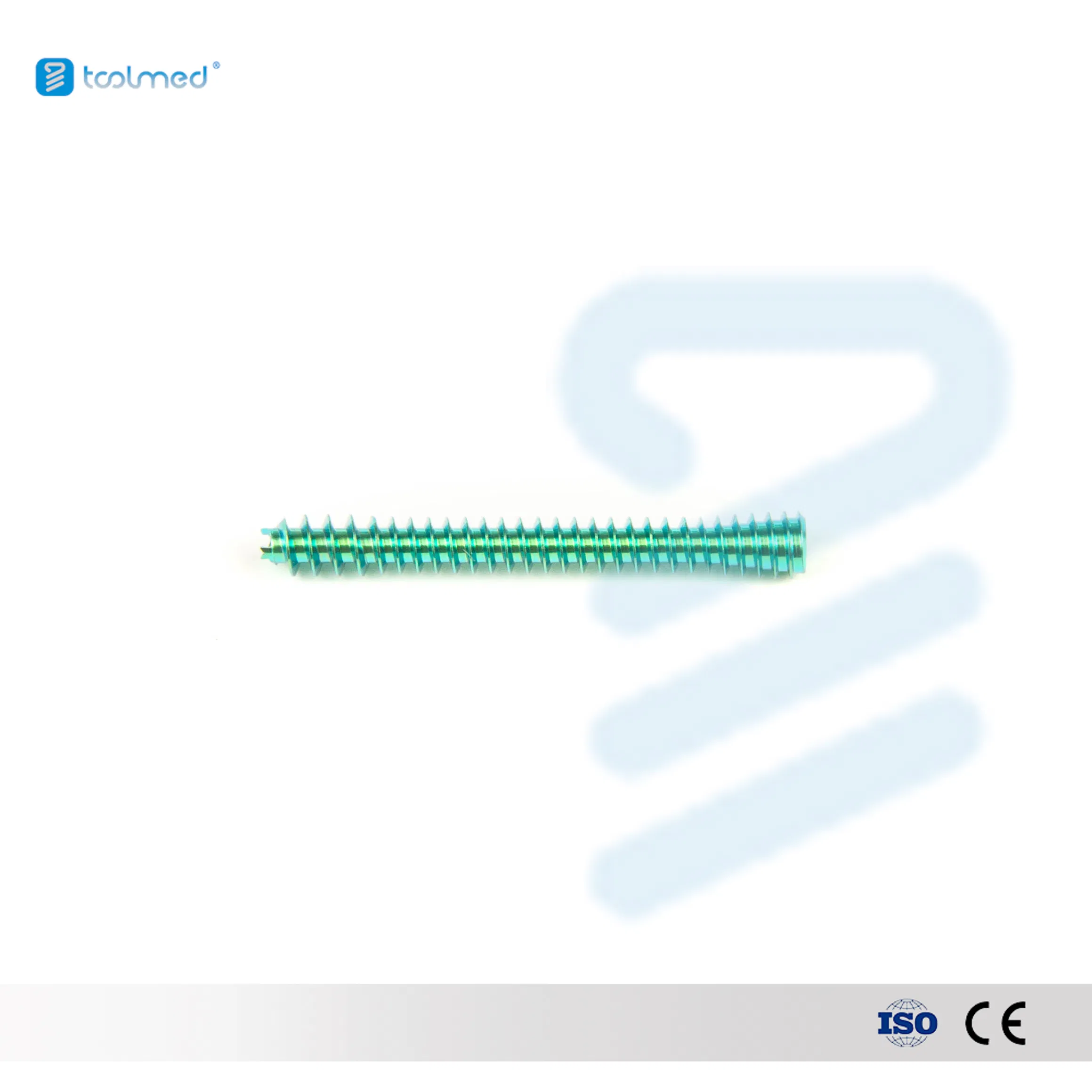
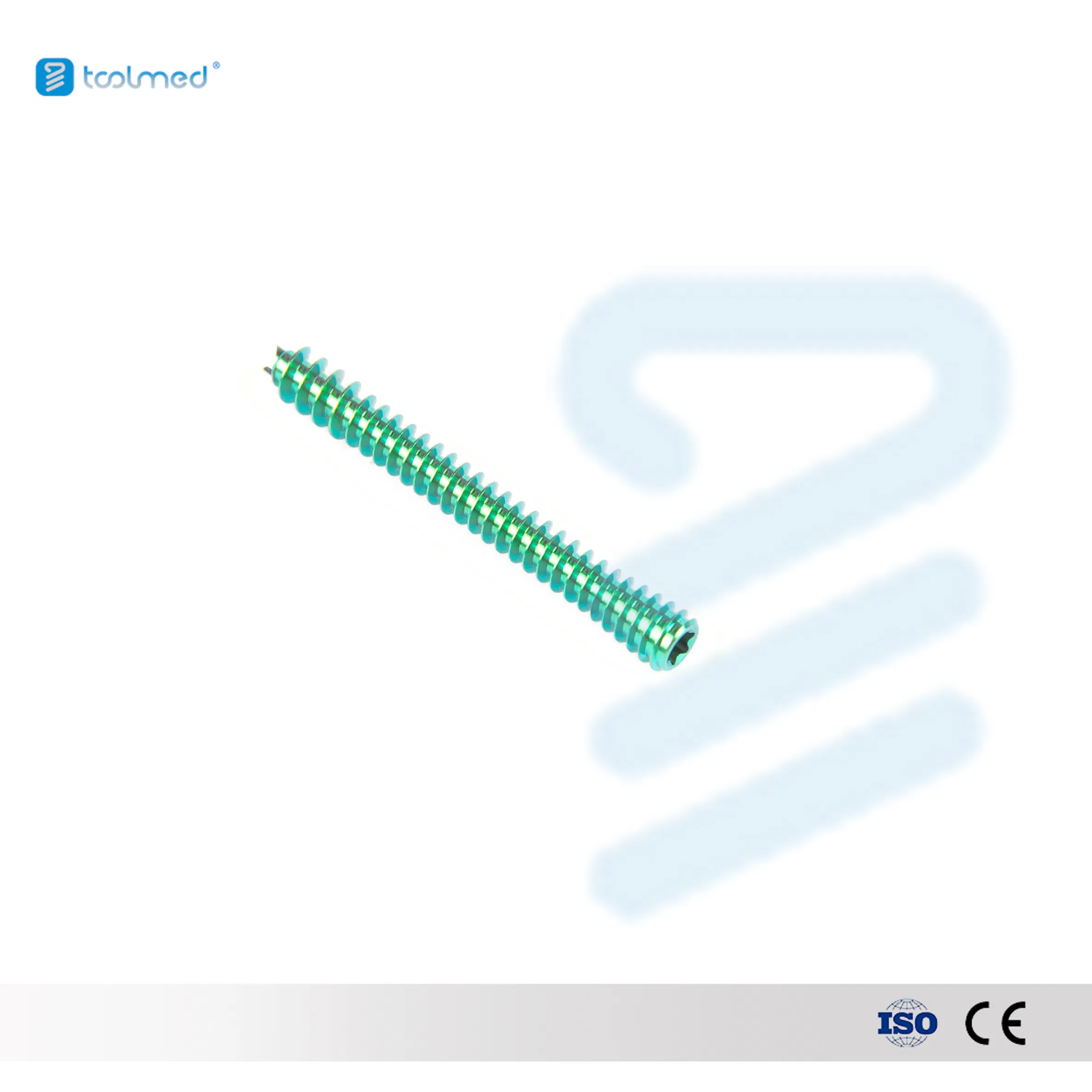
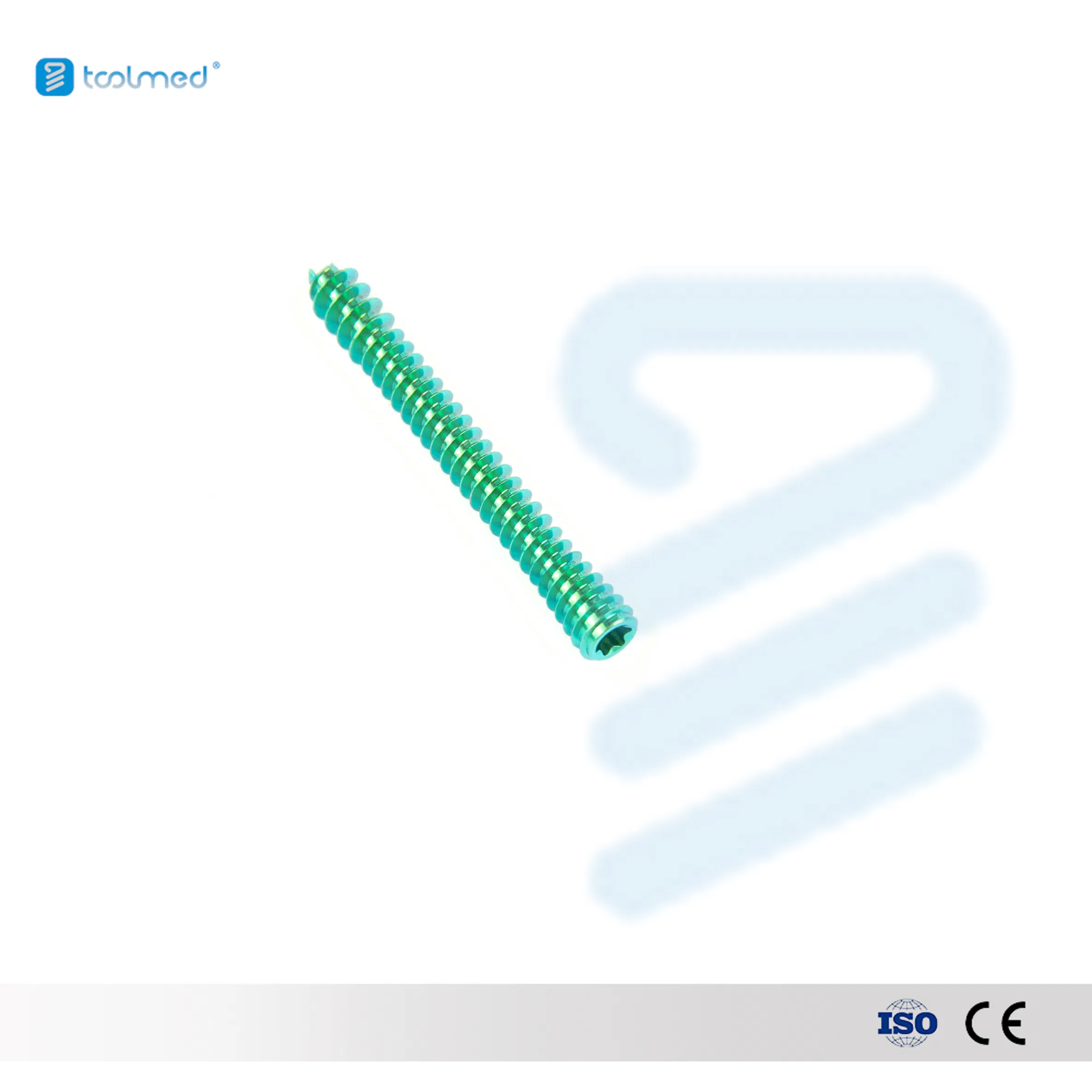
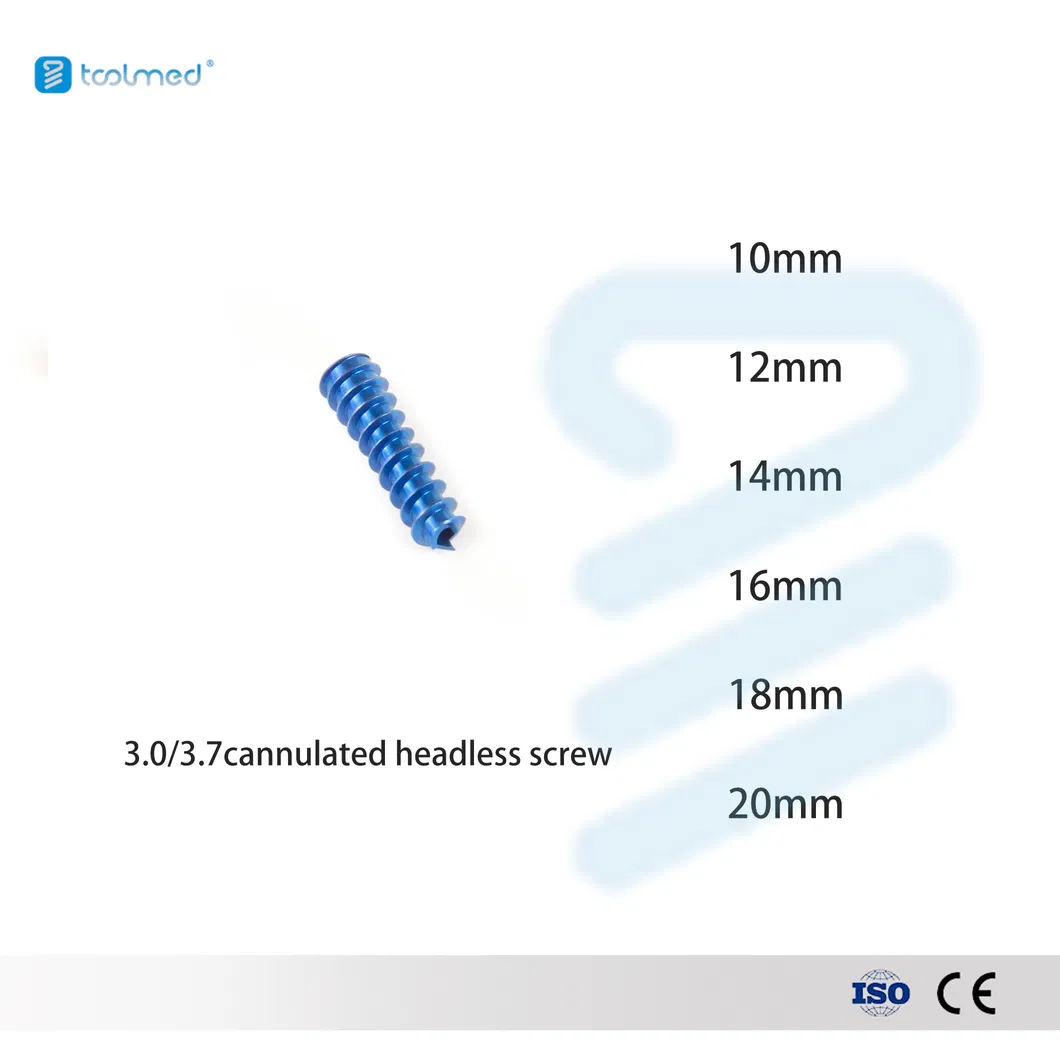
The Headless Compression Screw is a specialized cannulated orthopedic implant used primarily for scaphoid fracture fixation. It is designed to generate compression across the fracture site and is intended to be countersunk below the articular surface.

Key Characteristics:
  • Headless Design: Reduces the risk of soft tissue irritation and damage.
  • Cannulated Center: Allows for precise placement using a guide wire.
  • High Stability: Provides superior fixation for long bone fractures (femur, tibia, humerus).
  • Minimally Invasive: Facilitates faster recovery and reduces infection risk.

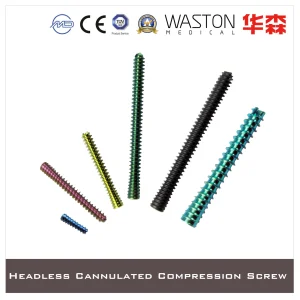
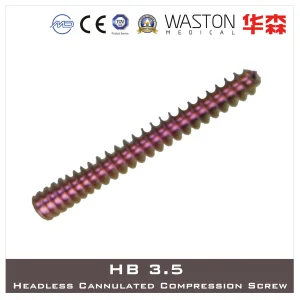
Product Display

Frequently Asked Questions

Q: What is the main advantage of a headless design?
A: The headless design allows the screw to be fully buried within the bone, significantly reducing the risk of irritation to surrounding soft tissues and tendons.
Q: What materials are these screws made of?
A: These screws are typically manufactured from high-grade Titanium Alloy or Stainless Steel to ensure biocompatibility and structural integrity.
Q: How long is the typical recovery period?
A: Recovery varies by fracture severity. Generally, patients start rehabilitation a few weeks post-surgery, with full improvement occurring over several months.
Q: Can these screws be removed after the bone has healed?
A: Yes, if the hardware causes pain or complications, it can be removed surgically, though this decision is made by a physician based on clinical needs.
Q: What specific fractures are these screws best for?
A: They are particularly effective for scaphoid fractures, spiral fractures of long bones, and cases of nonunions or malunions where stable compression is required.
Q: Why is the screw "cannulated"?
A: The hollow (cannulated) center allows the surgeon to pass the screw over a pre-placed guide wire, ensuring extreme precision in placement during surgery.

Related Products