Alur Orthopedic Implants
Alur Orthopedic Implants
Alur Orthopedic Implants
The global orthopedic market is witnessing a transformative era, particularly within the Shoulder & Elbow Arthroplasty segment. As an essential part of the broader joint replacement industry, shoulder and elbow reconstructions have evolved from "salvage" procedures to highly predictable outcomes for patients suffering from osteoarthritis, rheumatoid arthritis, and complex fractures. Recent market data indicates that shoulder arthroplasty is one of the fastest-growing segments in orthopedics, driven by an aging global population and the increasing prevalence of sports-related injuries.
Manufacturers worldwide are shifting focus toward Reverse Total Shoulder Arthroplasty (RTSA), which has revolutionized the treatment of rotator cuff arthropathy. This industrial shift requires precision manufacturing, where tolerances are measured in microns and materials such as titanium alloys, cobalt-chrome, and ultra-high-molecular-weight polyethylene (UHMWPE) are standard. As a leading manufacturer, we understand that the commercial landscape is no longer just about the implant itself, but the entire surgical ecosystem, including instrumentation and digital planning tools.
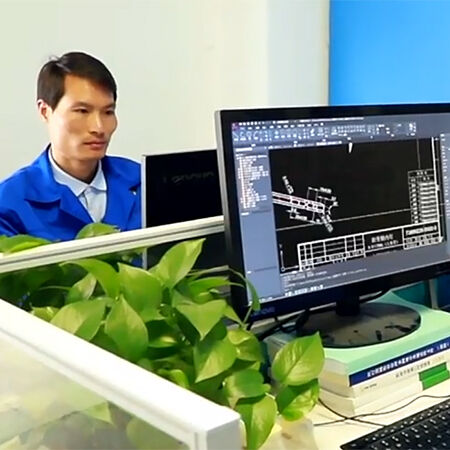
Innovation in Shoulder & Elbow Arthroplasty is currently dominated by three major pillars: 3D printing (additive manufacturing), robotic-assisted surgery, and patient-specific instrumentation (PSI). 3D printing allows manufacturers to create highly porous structures that mimic human bone, enhancing osseointegration and long-term implant stability. For elbow arthroplasty, the focus is on improving the longevity of the semi-constrained linkages to prevent early mechanical failure.
Furthermore, the integration of AI in preoperative planning has become a demand-side standard. Surgeons now require cloud-based platforms where they can upload CT scans and receive a 3D model of the patient's anatomy, allowing them to simulate implant positioning before the first incision. As a factory committed to "blue ocean" strategies, we invest heavily in these R&D areas, ensuring our products meet the "AI-driven" medical standards of 2025.

Year Founded

Exp. Countries

Top-tier Hospitals

IP Certificates

Global Agents
The company has obtained 27 national utility model patent certificates, 6 invention patents, and 2 software copyrights. With a production capacity covering more than 8,000 product specifications in orthopedic trauma, spinal implants, and surgical instruments, we are positioned as a comprehensive solution provider for medical distributors worldwide.
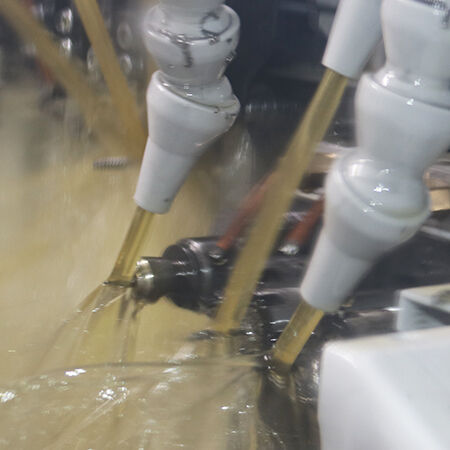
For global procurement officers, sourcing Shoulder & Elbow Arthroplasty components from a Chinese factory offers a unique balance of cost-efficiency and high-tech capability. China's medical device industry has undergone a massive qualitative upgrade. We don't just "manufacture"; we innovate. Our factory leverages a complete supply chain—from raw material smelting to final sterile packaging—reducing lead times and ensuring consistent quality.
Our advantages include:
• Strict Quality Control: Adherence to ISO 13485 and CE certifications.
• Customization (OEM/ODM): Ability to tailor implant geometries for specific demographic needs in markets like Brazil, Egypt, or Peru.
• Cost Stability: Advanced automation reduces labor costs, providing competitive pricing without sacrificing clinical safety.
• Academic Support: We collaborate with over 300 top-tier teaching hospitals to validate our designs through clinical feedback.
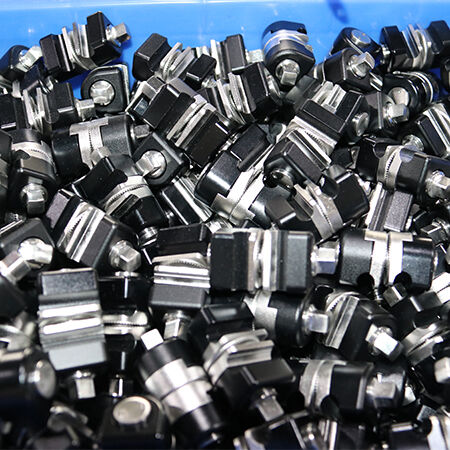
Shoulder and elbow implants must perform in diverse environments. In developed markets, the focus is on outpatient surgery centers where quick recovery and immediate stability are paramount. In emerging markets, durability and ease of surgical technique are prioritized due to varying levels of surgical training. Our products are designed with "forgiveness" in mind, meaning the instrumentation is intuitive, reducing the learning curve for surgeons.
From the high-altitude regions of Colombia to the humid climates of Southeast Asia, our implants are packaged and treated to withstand diverse logistical challenges. We actively engage in academic promotion, hosting more than 50 academic conferences annually to ensure that wherever our product is used, the local medical staff is fully trained in its optimal application.
Understanding the biomechanics of the shoulder and elbow is a prerequisite for any manufacturer. The shoulder is the most mobile joint in the human body, a ball-and-socket joint that relies heavily on soft tissue for stability. When these tissues fail, the arthroplasty must compensate. Our R&D team focuses on "Anatomical vs. Reverse" designs. Anatomical shoulder replacement mimics the natural anatomy, suitable for patients with intact rotator cuffs. However, for those with "cuff tear arthropathy," our Reverse Shoulder System shifts the center of rotation, allowing the deltoid muscle to lift the arm. This level of engineering is what separates a world-class manufacturer from a standard machine shop.
The longevity of an elbow or shoulder replacement depends on the "wear couple"—the interface between the metal and plastic components. We utilize vacuum melting technologies for our cobalt-chrome alloys to ensure zero impurities. Our UHMWPE is cross-linked using gamma radiation to significantly reduce wear debris, which is the leading cause of osteolysis and implant loosening. By controlling the molecular structure of our materials, we provide implants that can last 15-20 years, meeting the expectations of younger, more active patients.
Navigating the regulatory landscape is a core competency of our international marketing team. With exports reaching Brazil, Morocco, and beyond, we understand that every country has its own registration requirements (like ANVISA in Brazil). Our documents are prepared to international standards, facilitating smooth market entry for our agents. We provide a full "technical file" for every product line, ensuring transparency from the raw material certificate to the final sterilization validation.
Looking toward 2030, the "Smart Implant" is on the horizon. These devices will contain sensors to monitor post-operative infection, load distribution, and patient activity levels. As a forward-thinking manufacturer, we are already exploring the integration of bio-compatible sensors into our elbow prosthesis linkages. Furthermore, sustainability in manufacturing is becoming a procurement requirement. Our factory is implementing "Green Manufacturing" protocols, reducing waste in the casting process and utilizing recyclable materials for non-sterile packaging components.
Ultimately, Shoulder & Elbow Arthroplasty is about restoring dignity and function to a patient's life. Whether it is a grandmother being able to lift her grandchild again or a worker returning to their profession, the stakes are high. As a Chinese manufacturer with a global vision, we combine the principles of "focus and differentiation" to ensure that every screw, plate, and joint we produce is a masterpiece of medical engineering. Our journey from a local pioneer in 2009 to a global contender with 300+ agents is a testament to our quality and our partners' trust.